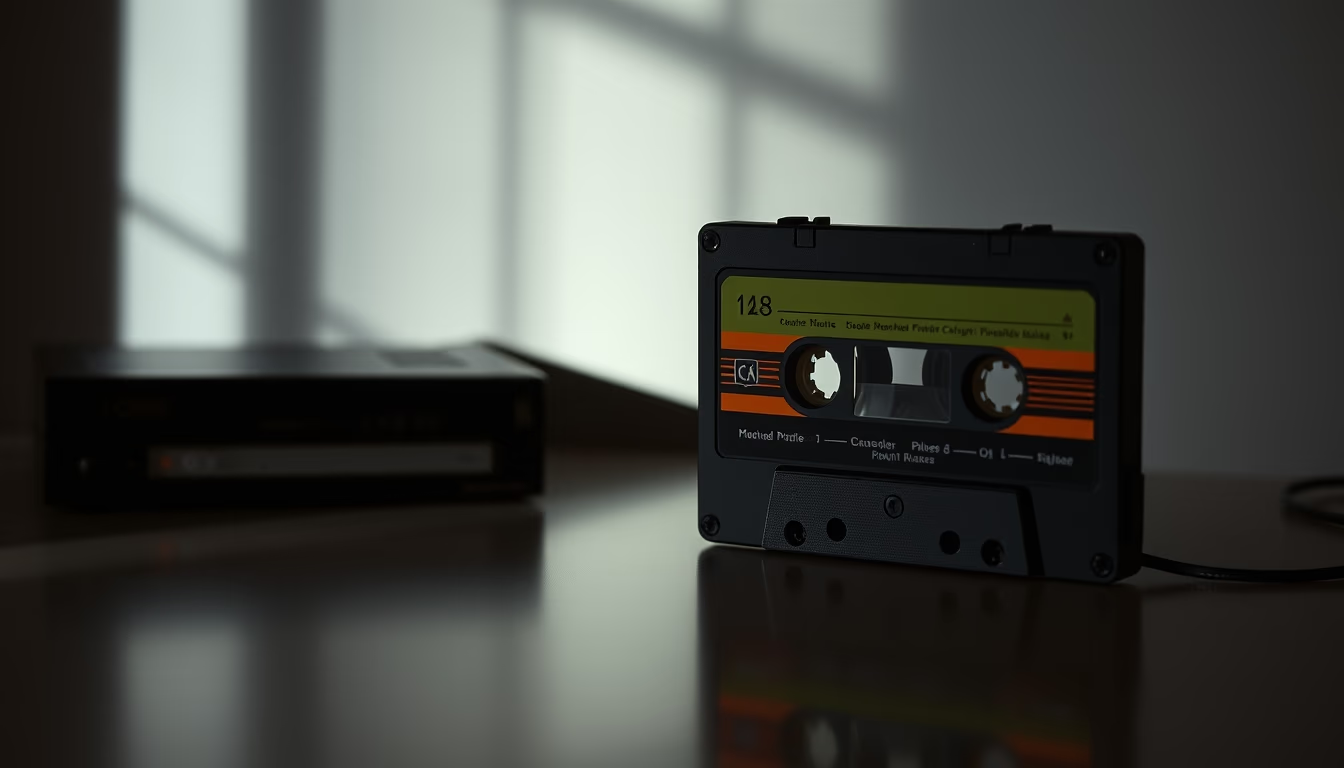
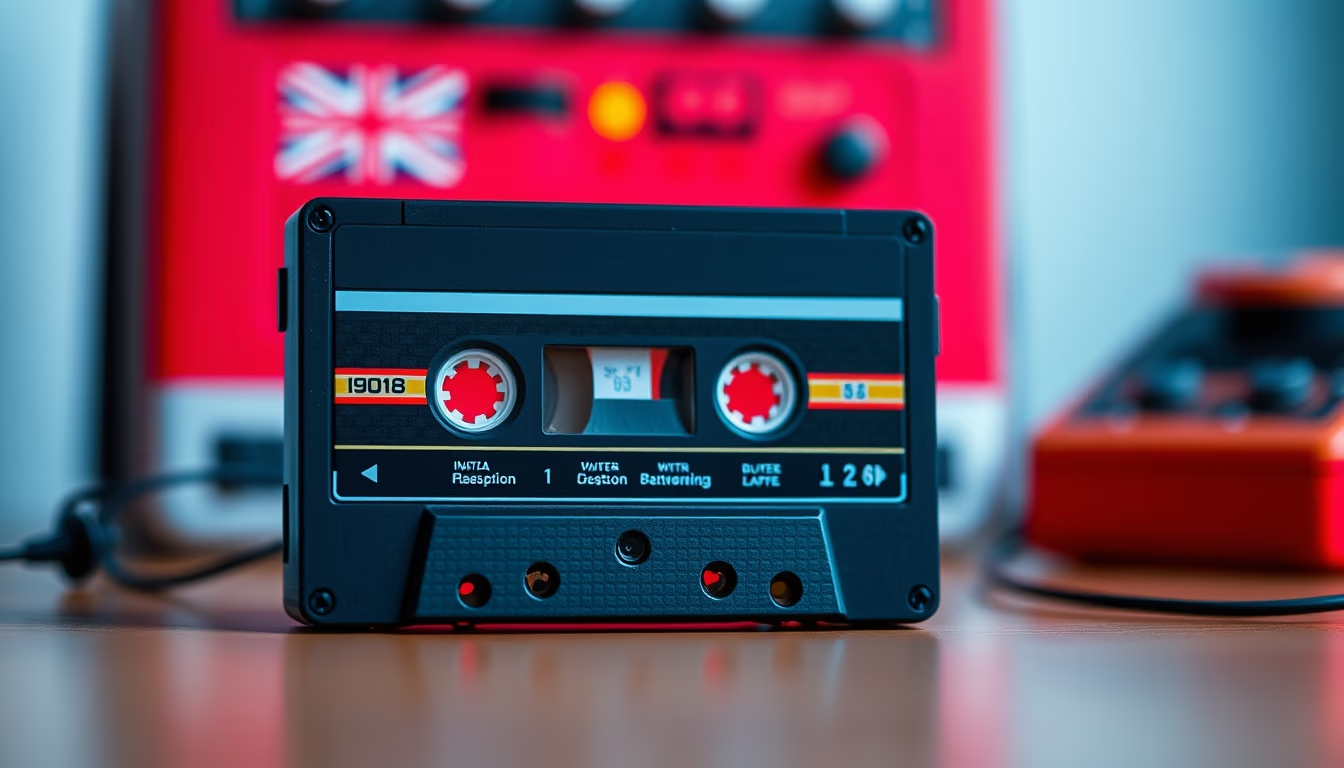
Cassette walkman 1980s
1344×768 · AVIF · CC BY 4.0
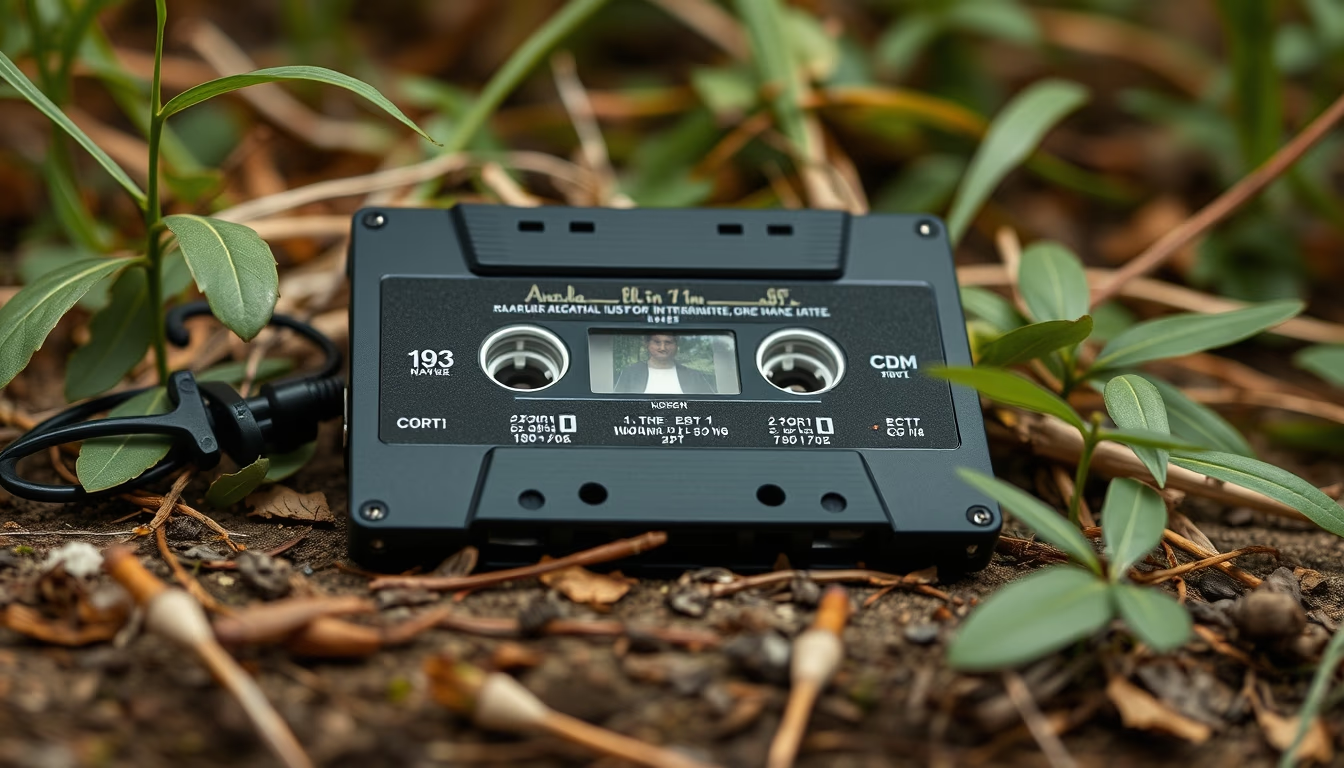
The 1980s cassette walkman revolutionized music listening, offering portability and privacy.
About this subject
Launched by Sony in 1979, the Walkman TPS-L2 quickly became a cultural icon of the 1980s. This portable device allowed people to listen to cassette tapes anywhere using lightweight headphones. The innovative idea came from Sony co-founder Masaru Ibuka, who wanted to listen to opera during long flights. The name Walkman was coined by the company, despite initial resistance abroad, where it was called Soundabout or Stowaway.
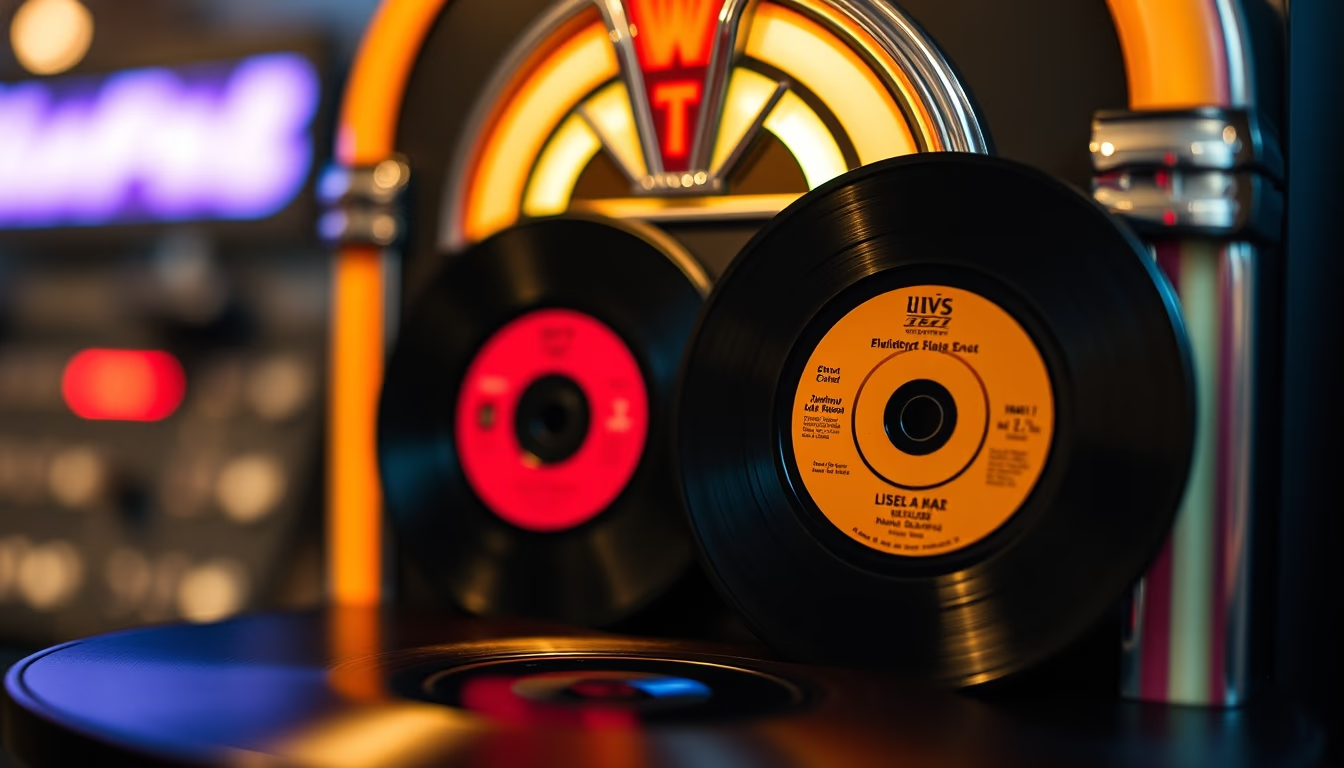
The impact was immediate and profound. For the first time, music became a personal and mobile experience. People began creating their own mix tapes by recording from radio or vinyl records. This transformed the music industry and gave rise to a new behavior: walking down the street with headphones, ignoring the surroundings. The term 'walkman' became generic for any portable cassette player.
Technologically, the Walkman used compact cassettes and noise reduction systems like Dolby to improve sound quality. AA batteries provided hours of playback. Later models added FM radio and recording features. Sony sold an estimated 200 million units worldwide until production ended in 2010.
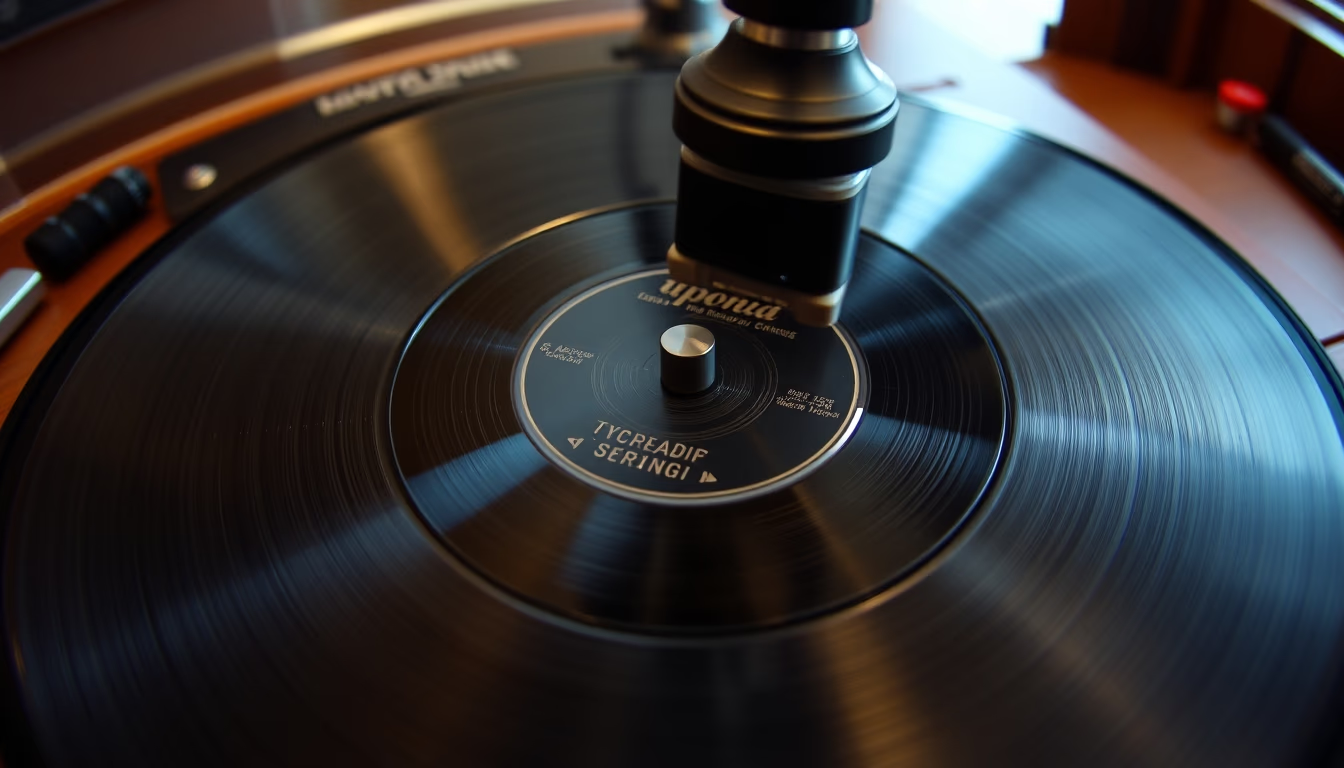
The decline began with the introduction of portable CD players and later MP3 players. However, the Walkman's legacy remains. It democratized music access, influenced fashion and youth culture, and paved the way for the personal audio devices we use today. The iconic design and 1980s nostalgia keep the Walkman alive in popular imagination.
Frequently Asked Questions
What was the first Walkman model released by Sony?
The first model was the TPS-L2, launched on July 1, 1979 in Japan. It had two headphone jacks and an orange 'Hot Line' button that allowed conversation without removing the headphones.
How did noise reduction work in 1980s Walkmans?
Many models used Dolby B or C systems, which reduced tape hiss during playback. This significantly improved sound quality in noisy environments.
What was the cultural impact of the Walkman in the 1980s?
The Walkman turned music into a private, portable experience, influencing fashion (e.g., headphones as accessories) and encouraging mix tape creation. It also symbolized individuality and youth in that decade.
Direct URL
https://pub-c7d6a6ea828543ac903a74a341ccb2e1.r2.dev/imagens/cassette-walkman-1980s-documentary-nature-style-fresh8.avifHow to credit
Include a visible link back to UtilizAí. Copy one of the snippets below:
<a href="https://xn--utiliza-eza.com/en/midia/imagens/cassette-walkman-1980s-documentary-nature-style-fresh8">Cassette walkman 1980s</a> by <a href="https://xn--utiliza-eza.com">UtilizAí</a>, licensed under <a href="https://creativecommons.org/licenses/by/4.0/">CC BY 4.0</a>.
[Cassette walkman 1980s](https://xn--utiliza-eza.com/en/midia/imagens/cassette-walkman-1980s-documentary-nature-style-fresh8) by [UtilizAí](https://xn--utiliza-eza.com), CC BY 4.0
License: CC-BY-4.0