Antique hammer wooden handle
1344×768 · AVIF · CC BY 4.0
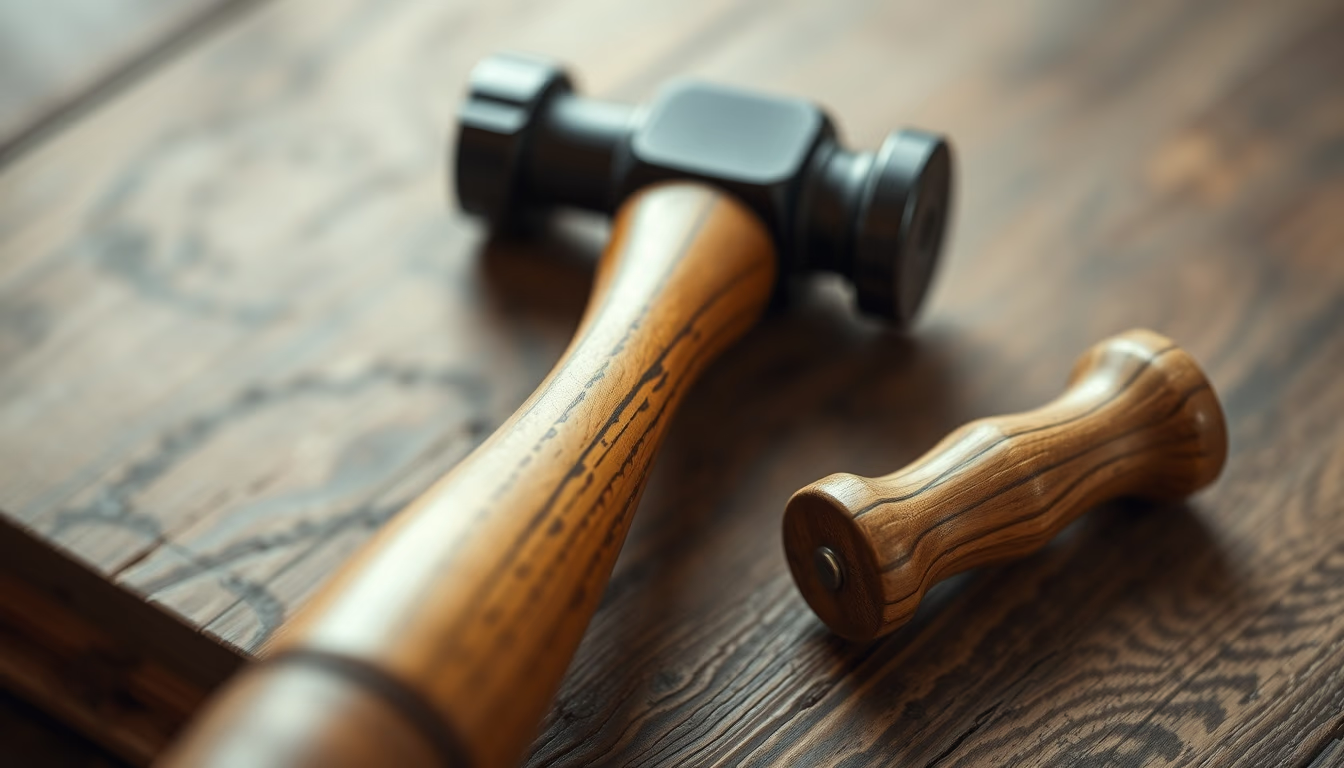
Antique hammer with wooden handle: history, materials, and collectible value of this essential tool.
About this subject
The antique hammer with a wooden handle is one of the most emblematic tools in human history. Used since prehistoric times for building, forging, and repairing, the hammer evolved in design and materials over the centuries. Wooden handles, traditionally made from oak, ash, or walnut, were chosen for their strength and shock absorption. The metal head was secured to the handle using wooden or metal wedges, ensuring firmness during use.
Different crafts required specialized hammers: the blacksmith's hammer, with a broad head and long handle for powerful blows; the carpenter's hammer, lighter and with a claw for pulling nails; and the mason's hammer, used for shaping stone. During the Industrial Revolution, mass production standardized models, but artisanal hammers remained valued. Today, antique hammers are collectible items, appreciated for their design, history, and patina.
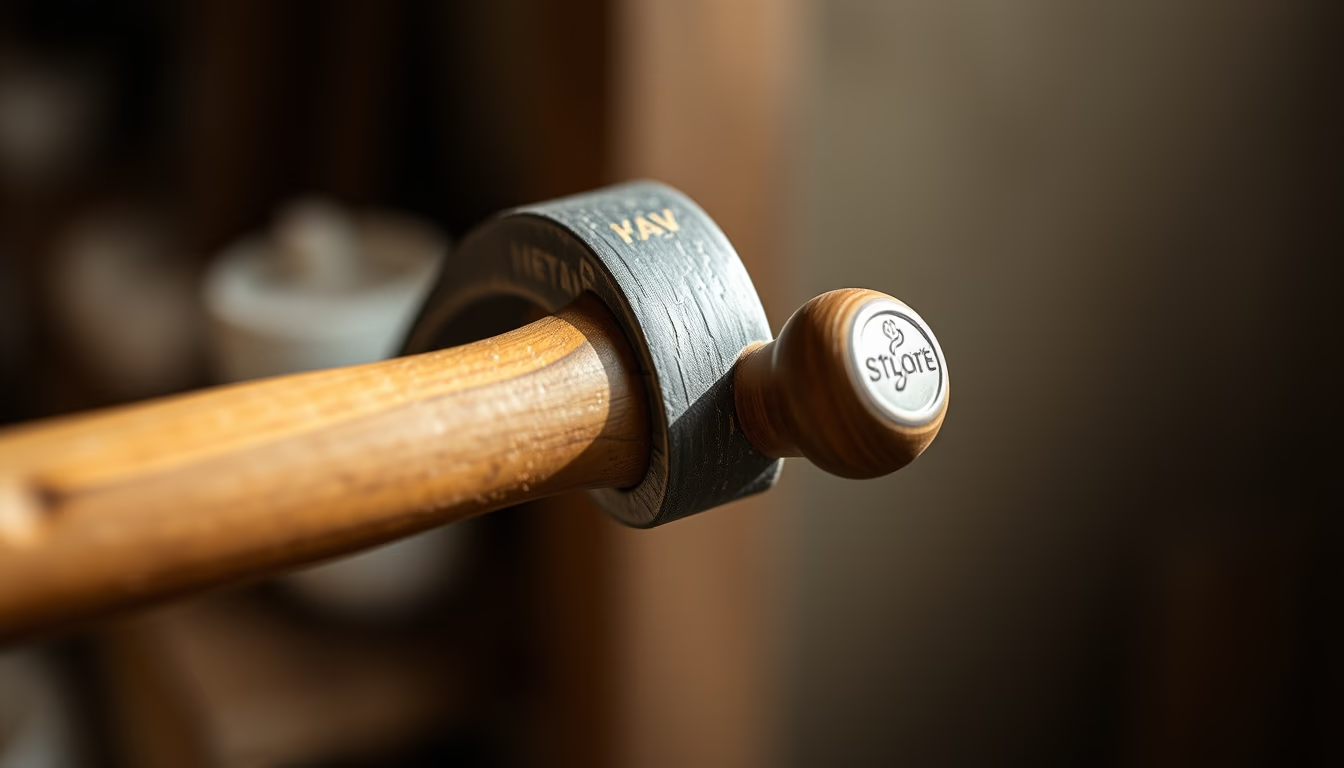
The tilt-shift miniature photography effect highlights the details of the wooden handle, such as the grain texture and wear from age. This technique creates an illusion of reduced scale, making the object even more charming. Collectors seek specimens from renowned manufacturers like Stanley, Plumb, and Vaughan, which produced high-quality wooden handles between the 19th and 20th centuries. Preserving the wood with linseed oil and avoiding moisture are essential care steps to keep the piece in good condition.
Interestingly, some antique hammers feature exotic wood handles, such as rosewood or pau-ferro, adding aesthetic and historical value. Beyond tools, these hammers are often used as decorative objects in vintage offices and workshops. Studying marks and wear helps date the piece, revealing its original use in sectors like carpentry, railways, or mining.
Frequently Asked Questions
How to determine the age of an antique hammer with a wooden handle?
Age can be estimated by the head design, metal type (wrought iron indicates older pieces), manufacturer marks, and handle wear. Hammers before 1900 typically have hand-forged heads and unvarnished wooden handles.
What are the most common woods for antique hammer handles?
The most used woods are oak, ash, and walnut. Oak is tough and heavy, ash is flexible and shock-absorbing, and walnut is valued for its appearance. Exotic wood handles like rosewood are rarer and more expensive.
Is the tilt-shift miniature effect common in photos of antique tools?
Yes, photographers use tilt-shift to highlight details of objects like hammers, giving them a miniature model look. This enhances wood grain texture and wear, making the image more appealing to collectors and enthusiasts.
Direct URL
https://pub-c7d6a6ea828543ac903a74a341ccb2e1.r2.dev/imagens/antique-hammer-wooden-handle-tilt-shift-miniature-fresh15.avifHow to credit
Include a visible link back to UtilizAí. Copy one of the snippets below:
<a href="https://xn--utiliza-eza.com/en/midia/imagens/antique-hammer-wooden-handle-tilt-shift-miniature-fresh15">Antique hammer wooden handle</a> by <a href="https://xn--utiliza-eza.com">UtilizAí</a>, licensed under <a href="https://creativecommons.org/licenses/by/4.0/">CC BY 4.0</a>.
[Antique hammer wooden handle](https://xn--utiliza-eza.com/en/midia/imagens/antique-hammer-wooden-handle-tilt-shift-miniature-fresh15) by [UtilizAí](https://xn--utiliza-eza.com), CC BY 4.0
License: CC-BY-4.0