Antique hammer wooden handle
1344×768 · AVIF · CC BY 4.0
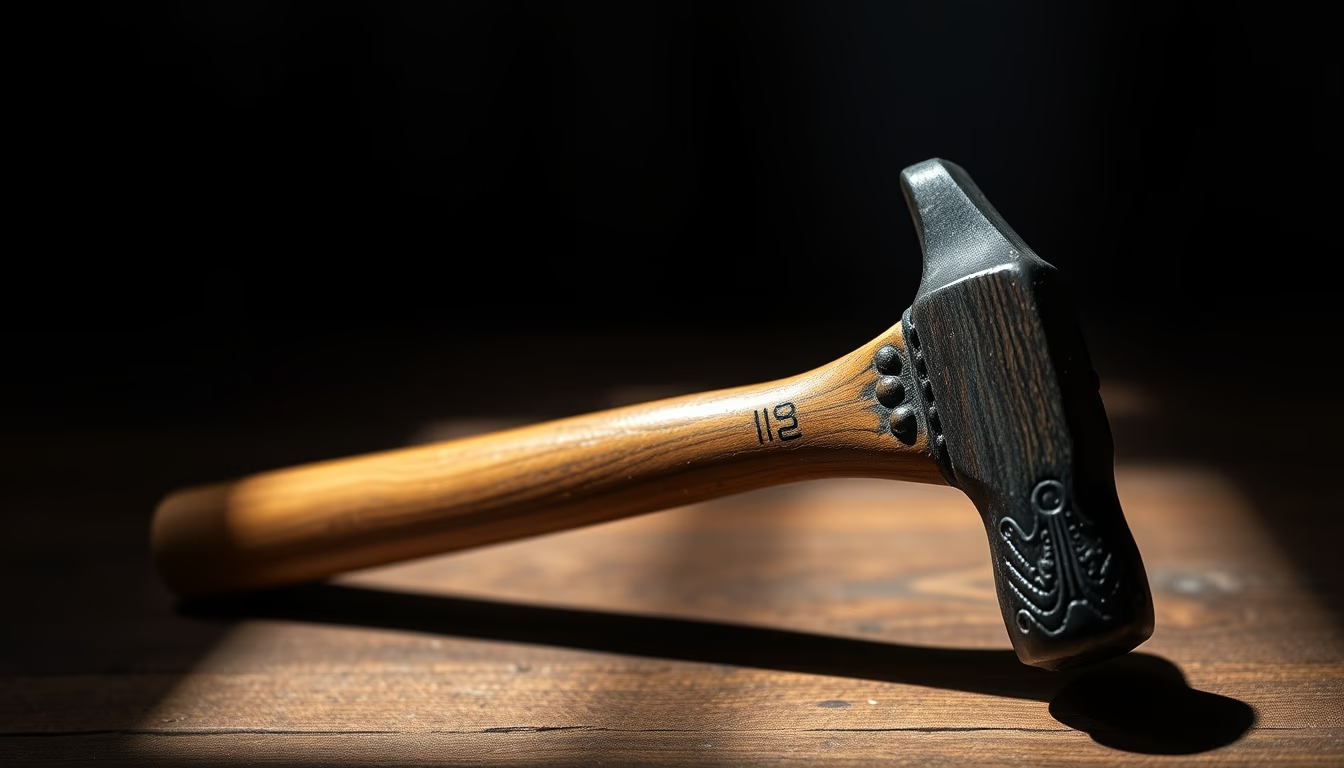
Antique hammers with wooden handles are tools that blend functionality and craftsmanship, reflecting centuries of evolution in woodworking and metallurgy.
About this subject
Antique hammers with wooden handles are an important chapter in the history of hand tools. From the Bronze Age, when the first metal hammers were forged, to the industrial models of the 19th century, the basic design remained surprisingly similar. The wooden handle, typically made of oak, walnut, or ash, was chosen for its strength and ability to absorb impact, reducing vibration transmitted to the user. The attachment of the metal head to the handle was done with wooden or metal wedges, a technique that required precision to ensure safety and durability.
In Brazil, antique hammers with wooden handles were widely used in construction, woodworking, and mining during the colonial and imperial periods. Many preserved specimens in museums or private collections feature unique details, such as handcrafted fittings and local blacksmith marks. The wood used varied by region: in the North, pau-ferro and maçaranduba; in the South, pine and cedar. These tools were often passed down through generations, carrying the history of those who used them.
The popularity of hammers with wooden handles began to decline in the 20th century with the introduction of fiberglass and steel handles, which offered greater resistance to moisture and deformation. However, the aesthetic appeal and tactile sensation of wood have kept these hammers as collector's items and decorative pieces. Today, vintage tool enthusiasts seek original models, often restoring worn handles with fine wood to preserve authenticity.
Interesting fact: the oldest carpenter's hammer found in Europe dates back to around 3,500 BC, with a wooden handle and stone head. Blacksmith hammers with tempered steel heads emerged in the Middle Ages and were produced by specialized artisans. Walnut wood was particularly valued for its hardness and fine grain, providing grip even with sweaty hands.
Frequently Asked Questions
How can I identify an original antique hammer with a wooden handle?
Look for blacksmith or manufacturer marks on the metal head, visible wooden wedges at the joint, and natural wear on the handle. A dark patina on walnut or oak handles indicates age.
What wood is most common in antique hammer handles?
Oak, walnut, and ash are most common. In Brazil, native woods like pau-ferro and maçaranduba were also used, depending on the region and the hammer's purpose.
Why are hammers with wooden handles valued by collectors?
Beyond historical and aesthetic value, they represent the craftsmanship of blacksmiths and woodworkers. Each piece can tell a story of use and family tradition, considered cultural heritage.
Direct URL
https://pub-c7d6a6ea828543ac903a74a341ccb2e1.r2.dev/imagens/antique-hammer-wooden-handle-rembrandt-lighting-dramatic-shadows-fresh16.avifHow to credit
Include a visible link back to UtilizAí. Copy one of the snippets below:
<a href="https://xn--utiliza-eza.com/en/midia/imagens/antique-hammer-wooden-handle-rembrandt-lighting-dramatic-shadows-fresh16">Antique hammer wooden handle</a> by <a href="https://xn--utiliza-eza.com">UtilizAí</a>, licensed under <a href="https://creativecommons.org/licenses/by/4.0/">CC BY 4.0</a>.
[Antique hammer wooden handle](https://xn--utiliza-eza.com/en/midia/imagens/antique-hammer-wooden-handle-rembrandt-lighting-dramatic-shadows-fresh16) by [UtilizAí](https://xn--utiliza-eza.com), CC BY 4.0
License: CC-BY-4.0