Antique hammer wooden handle
1344×768 · AVIF · CC BY 4.0
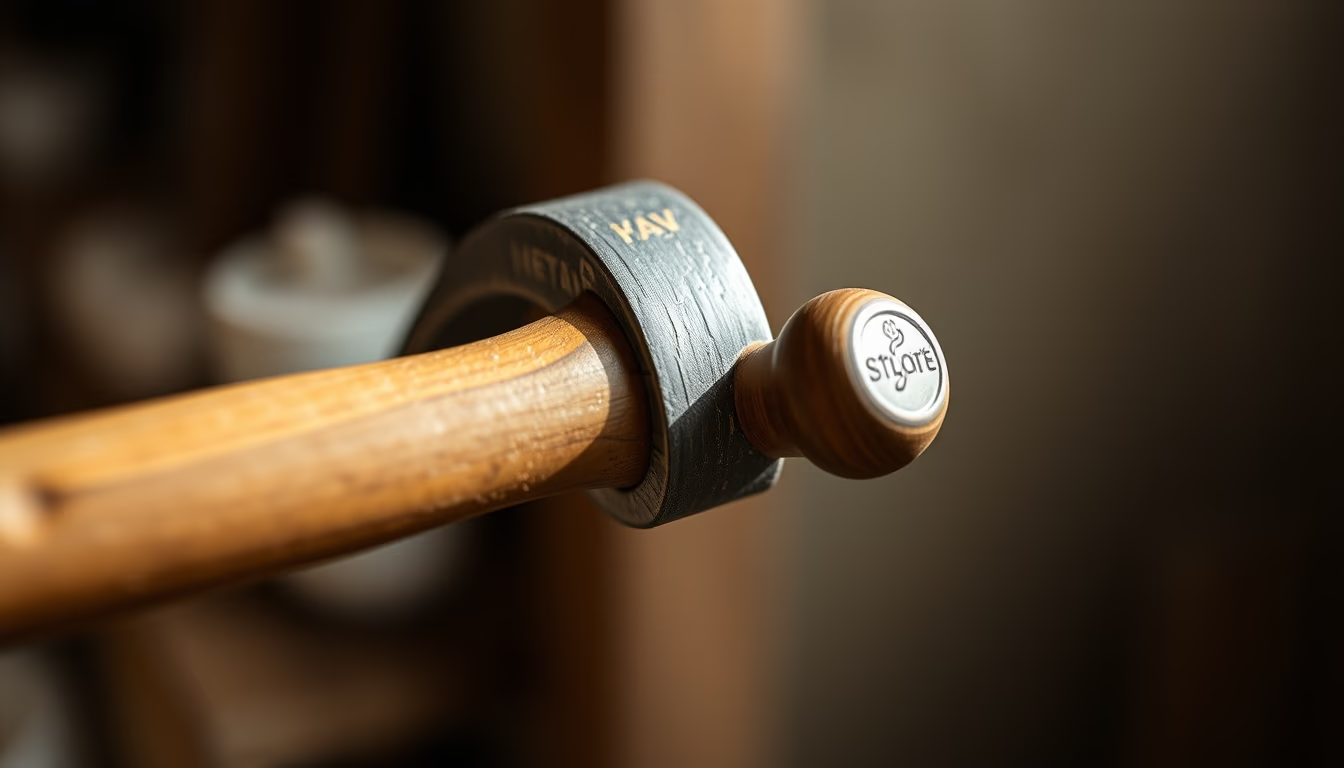
Antique hammers with wooden handles embody the ingenuity and tradition of manual toolmaking, combining forged metal and selected wood.
About this subject
The hammer is one of humanity's oldest tools, and antique examples with wooden handles, like the one depicted, narrate the history of pre-industrial blacksmithing and carpentry. Its forged iron head was shaped by smiths who heated the metal until malleable and struck it on anvils to create the characteristic head shape. The handle, commonly made of hickory or ash, was carved and manually fitted into the head, often secured with metal or wooden wedges. This technique allowed users to replace worn handles, extending the tool's life for decades.
Different trades demanded specific hammer types: the claw hammer for carpenters to extract nails, the ball-peen for metalworkers shaping metal, and the blacksmith's hammer with flat faces and rounded edges. Each type varied in weight, head shape, and handle length to suit the force and motion of the work. The model in the image, with a straight wooden handle and robust head, was likely used for general construction or joinery.
Handcrafting of these hammers peaked between the 18th and 19th centuries, when European and American smiths and cutlers produced custom pieces for local clients. Antique tool brands such as Stanley, Plumb, and Vaughan became benchmarks of quality. Today, these hammers are collectible items, valued for both their historical significance and the manual skill involved in their making. Restorers and vintage tool enthusiasts seek examples with original wooden handles and uncracked heads, which tell the story of use and the patina of time.
Interestingly, the wooden-handled hammer's design has influenced modern tools, with steel or fiberglass handles attempting to mimic the balance and impact absorption of wood. Yet many professionals still prefer wooden handles for their tactile feel and vibration damping. Preserving these utensils, including careful cleaning and applying oil to the handles, ensures that the legacy of manual toolmaking endures.
Frequently Asked Questions
How to identify a valuable antique hammer?
Check for manufacturer marks (e.g., Stanley, Plumb) on the head, hand-forging evidence (hammer marks), original wooden handle with patina, and no major repairs. Rare models or those from specific trades tend to be more valuable.
What is the best wood for antique hammer handles?
Hickory is the most common due to its strength and shock absorption. Ash and oak were also used, but hickory is preferred by collectors.
How to restore an antique hammer without damaging its value?
Avoid aggressive sanding; remove rust with fine steel wool and oil. For the handle, clean with a damp cloth and apply linseed oil. Do not repaint or replace original parts unless necessary for use.
Direct URL
https://pub-c7d6a6ea828543ac903a74a341ccb2e1.r2.dev/imagens/antique-hammer-wooden-handle-documentary-photography-fresh17.avifHow to credit
Include a visible link back to UtilizAí. Copy one of the snippets below:
<a href="https://xn--utiliza-eza.com/en/midia/imagens/antique-hammer-wooden-handle-documentary-photography-fresh17">Antique hammer wooden handle</a> by <a href="https://xn--utiliza-eza.com">UtilizAí</a>, licensed under <a href="https://creativecommons.org/licenses/by/4.0/">CC BY 4.0</a>.
[Antique hammer wooden handle](https://xn--utiliza-eza.com/en/midia/imagens/antique-hammer-wooden-handle-documentary-photography-fresh17) by [UtilizAí](https://xn--utiliza-eza.com), CC BY 4.0
License: CC-BY-4.0