Antique hammer wooden handle
1344×768 · AVIF · CC BY 4.0

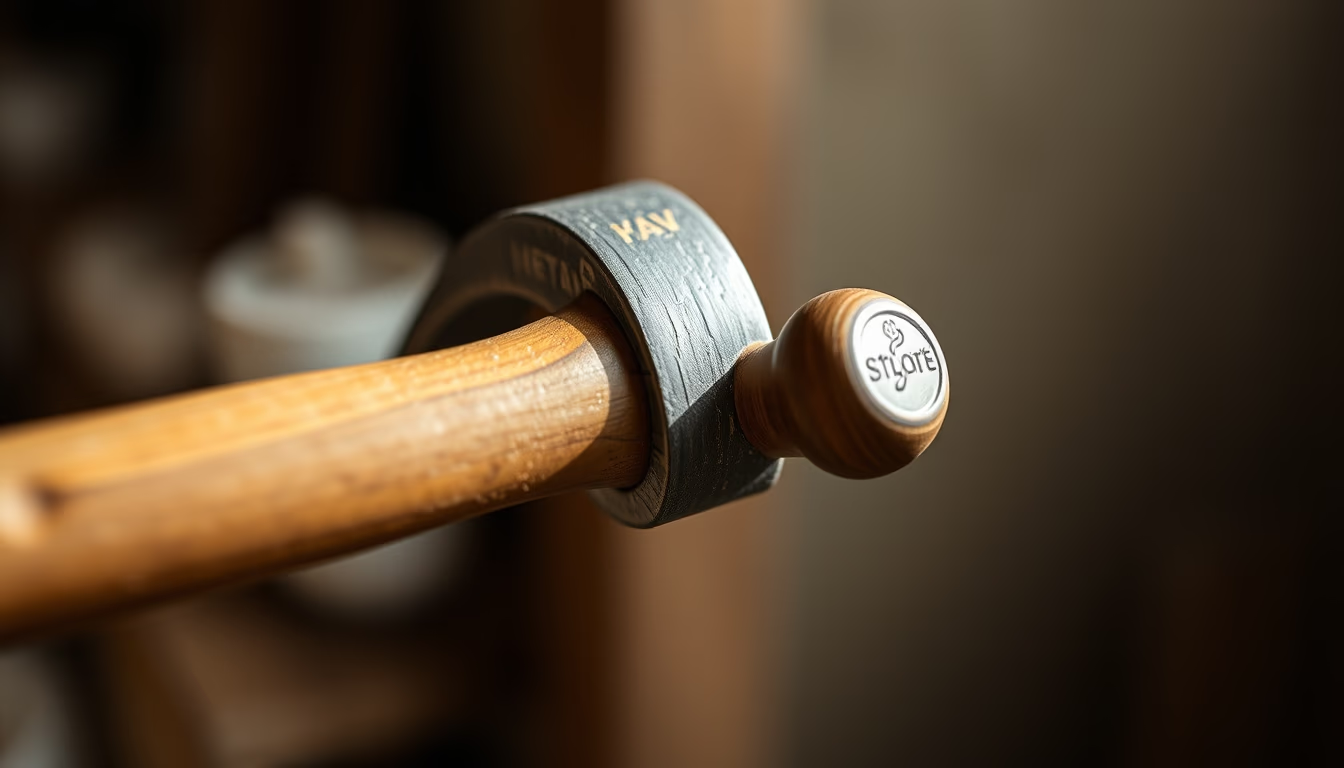
The antique hammer with a wooden handle is a classic tool dating back centuries of use in construction and woodworking.
About this subject
The antique hammer with a wooden handle is one of humanity's most iconic tools. Its origins trace back to the Stone Age, when early hammers were simply stones lashed to branches. With the advent of metallurgy, heads were made of iron or steel, while handles remained wooden, often crafted from oak, ash, or hickory for durability and shock absorption. These hammers were essential for carpenters, blacksmiths, and builders worldwide, with each culture adapting the shape and weight to local needs.
In Brazil, the wooden-handled hammer was widely used during the colonial and imperial periods, especially in the construction of houses, churches, and furniture. The hafting technique, which secures the head to the handle using wooden or metal wedges, is an example of simple yet effective engineering that persists today. Antique hammers often show signs of wear, such as dents on the face and cracks in the handle, telling stories of intense manual labor.
Collecting antique hammers has become a hobby among historical tool enthusiasts. Pieces from the 19th century, especially those made by companies like Stanley or Disston, are prized for their quality and design. Additionally, mason hammers, with one face and one point, and carpenter hammers, with the classic claw shape for pulling nails, are the most common types found in antique markets.
Interestingly, the hammer also carries strong cultural symbolism. In Norse mythology, Thor's hammer Mjölnir represented protection and power. In the labor context, the hammer and sickle are symbols of communism. In Brazil, the hammer is often associated with manual work and construction, a tool that transcends generations and remains indispensable in any toolbox.
Frequently Asked Questions
What is the difference between an antique and a modern hammer?
Antique hammers typically have solid wooden handles and hand-forged heads, while modern ones use fiberglass or steel handles and cast heads. Wood offers better shock absorption but may crack over time.
How can I identify the age of an antique wooden-handle hammer?
Check for manufacturer marks, head attachment method (wooden wedges indicate older age), and natural wear. 19th-century hammers often have more elongated heads and thicker handles.
Where can I find antique hammers for collection?
They are common at antique fairs, flea markets, and vintage tool shops. Online auction sites also offer pieces, but authenticity should be verified.
Direct URL
https://pub-c7d6a6ea828543ac903a74a341ccb2e1.r2.dev/imagens/antique-hammer-wooden-handle-architectural-photography-fresh8.avifHow to credit
Include a visible link back to UtilizAí. Copy one of the snippets below:
<a href="https://xn--utiliza-eza.com/en/midia/imagens/antique-hammer-wooden-handle-architectural-photography-fresh8">Antique hammer wooden handle</a> by <a href="https://xn--utiliza-eza.com">UtilizAí</a>, licensed under <a href="https://creativecommons.org/licenses/by/4.0/">CC BY 4.0</a>.
[Antique hammer wooden handle](https://xn--utiliza-eza.com/en/midia/imagens/antique-hammer-wooden-handle-architectural-photography-fresh8) by [UtilizAí](https://xn--utiliza-eza.com), CC BY 4.0
License: CC-BY-4.0