78 rpm shellac vintage
1344×768 · AVIF · CC BY 4.0
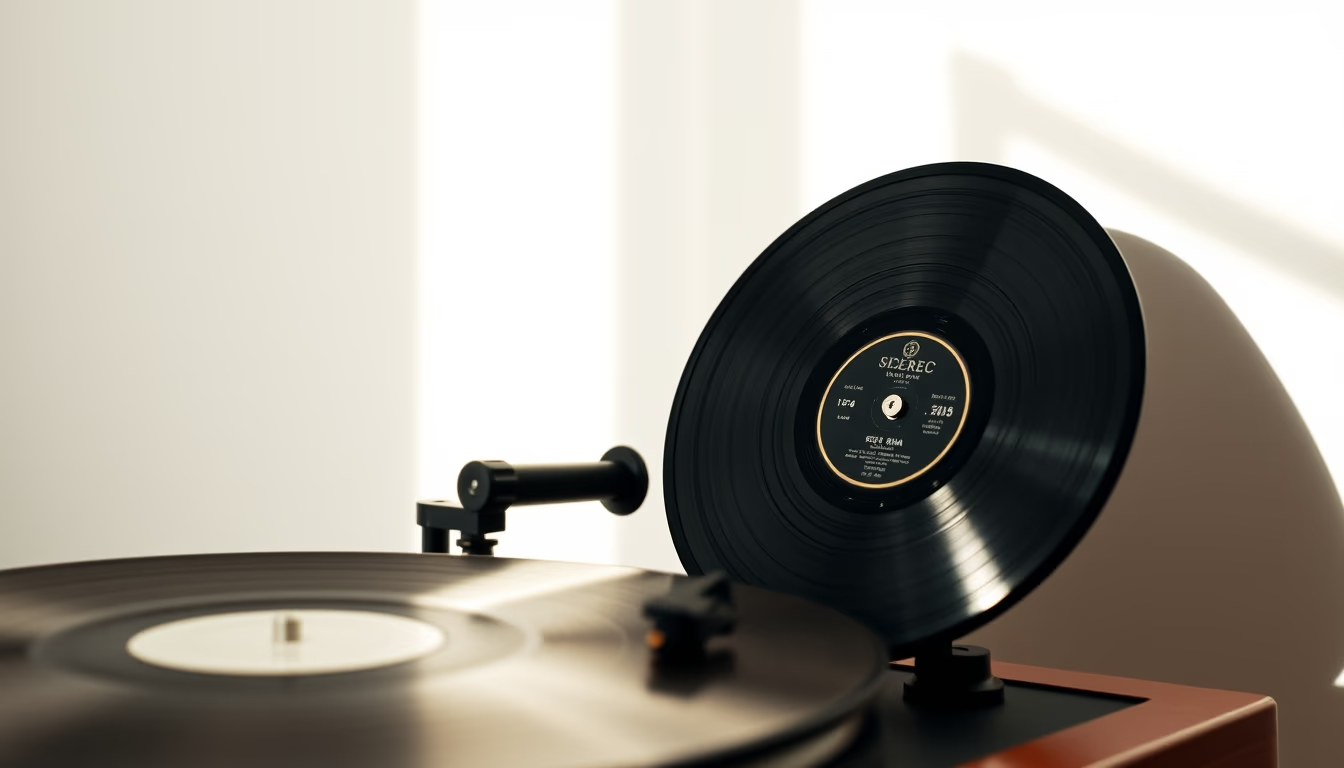
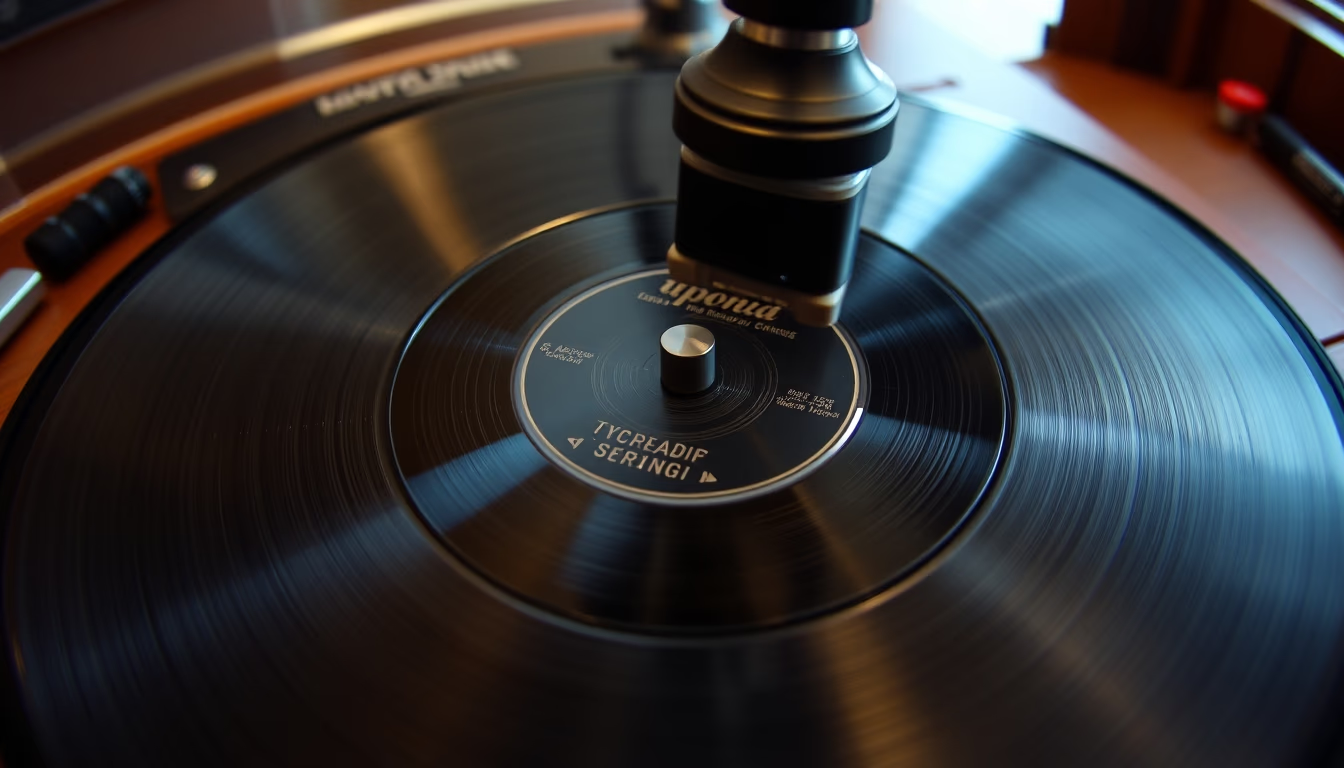
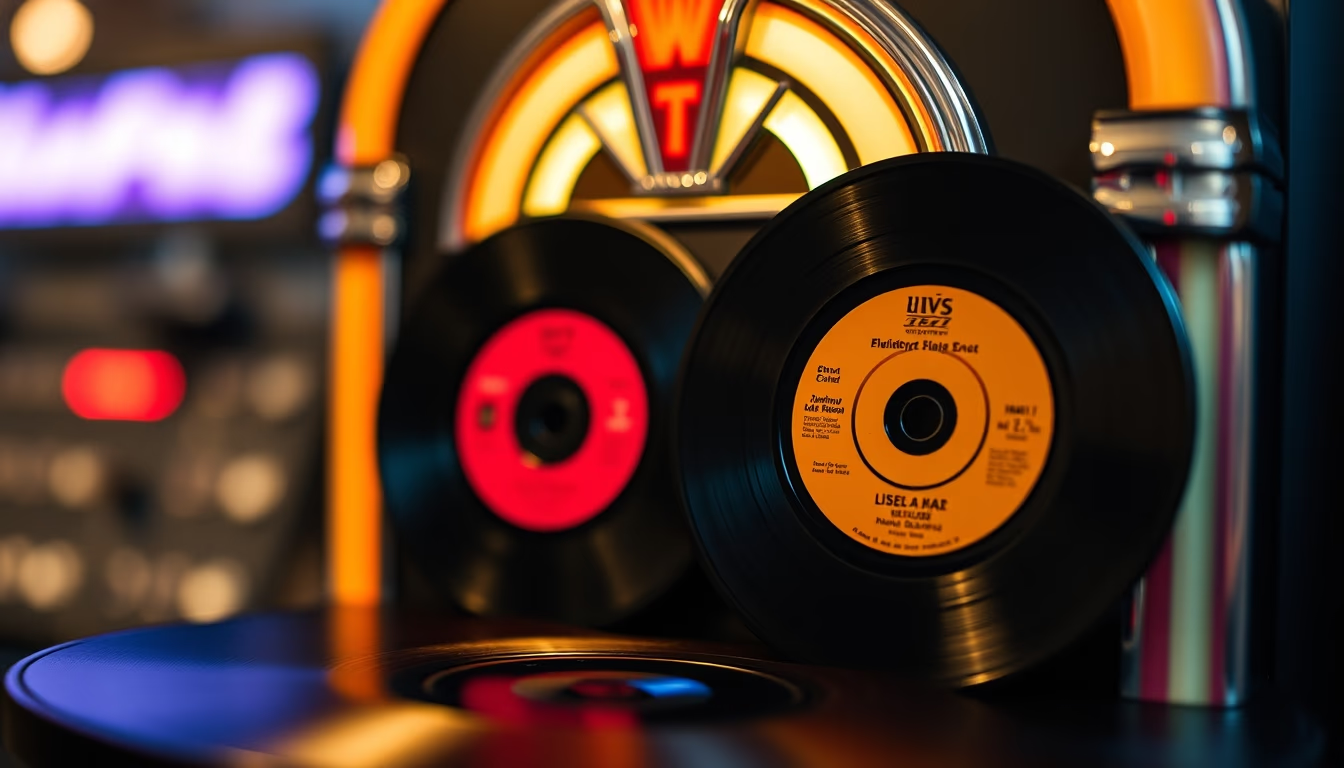
Shellac 78 rpm records defined the golden age of recorded music, from the early 20th century through the 1950s.
About this subject
The 78 revolutions per minute (rpm) record was the standard format for music recordings from the late 1890s until the mid-1950s. Made primarily from shellac, a natural resin secreted by the Kerria lacca insect, these discs were compounded with mineral fillers and fibers to improve durability. The recordings were monaural and had a limited frequency range, yet they faithfully captured voices and acoustic instruments of the era.
The 78 rpm speed allowed about three to five minutes of audio per side, depending on the diameter (typically 10 or 12 inches). Shellac made these records extremely brittle, easily broken if mishandled, unlike the later vinyl. The steel needles used in phonographs wore down the groove quickly, demanding frequent replacement to prevent damage to the recording.
Musically, the 78 format witnessed the birth of jazz, blues, classical performances by legendary conductors, and early Brazilian popular music with artists such as Pixinguinha, Carmen Miranda, and Noel Rosa. Major labels like RCA Victor, Columbia, and Odeon invested heavily in shellac record production, building catalogs that are now historical treasures. Collectors and archivists carefully preserve these recordings, using modern turntables with lightweight cartridges to digitize them without harming the original discs.
The shift to vinyl began in 1948 with the introduction of the 33 1/3 rpm LP by Columbia and the 45 rpm single by RCA Victor. Though obsolete, 78 rpm records are still studied by historians and enjoyed by audiophiles who seek the distinctive warmth and authenticity of early electrical and acoustic recordings. The term "78" has become iconic, representing an era that shaped the recording industry and global music consumption.
Frequently Asked Questions
What is the difference between 78 rpm records and vinyl records?
78 rpm records are made of shellac, a brittle material, and rotate at 78 revolutions per minute. Vinyl records (33 1/3 and 45 rpm) are made of polyvinyl chloride (PVC), which is more flexible and durable, offering better sound fidelity and longer playing time.
Why are 78 rpm records called that?
The name comes from the standard playback speed: 78 revolutions per minute. This speed was chosen to balance sound quality and recording duration. In practice, speeds varied from 76 to 82 rpm until uniformity was established at 78 rpm.
Can 78 rpm records still be played today?
Yes, but you need a turntable with a specific 78 rpm stylus and a preamp with appropriate equalization (the RIAA curve is not compatible). Many collectors use modern equipment with diamond or sapphire styli to minimize wear, along with digitization systems to preserve the audio.
Direct URL
https://pub-c7d6a6ea828543ac903a74a341ccb2e1.r2.dev/imagens/78-rpm-shellac-vintage-minimalist-composition-fresh6.avifHow to credit
Include a visible link back to UtilizAí. Copy one of the snippets below:
<a href="https://xn--utiliza-eza.com/en/midia/imagens/78-rpm-shellac-vintage-minimalist-composition-fresh6">78 rpm shellac vintage</a> by <a href="https://xn--utiliza-eza.com">UtilizAí</a>, licensed under <a href="https://creativecommons.org/licenses/by/4.0/">CC BY 4.0</a>.
[78 rpm shellac vintage](https://xn--utiliza-eza.com/en/midia/imagens/78-rpm-shellac-vintage-minimalist-composition-fresh6) by [UtilizAí](https://xn--utiliza-eza.com), CC BY 4.0
License: CC-BY-4.0