78 rpm shellac vintage
1344×768 · AVIF · CC BY 4.0
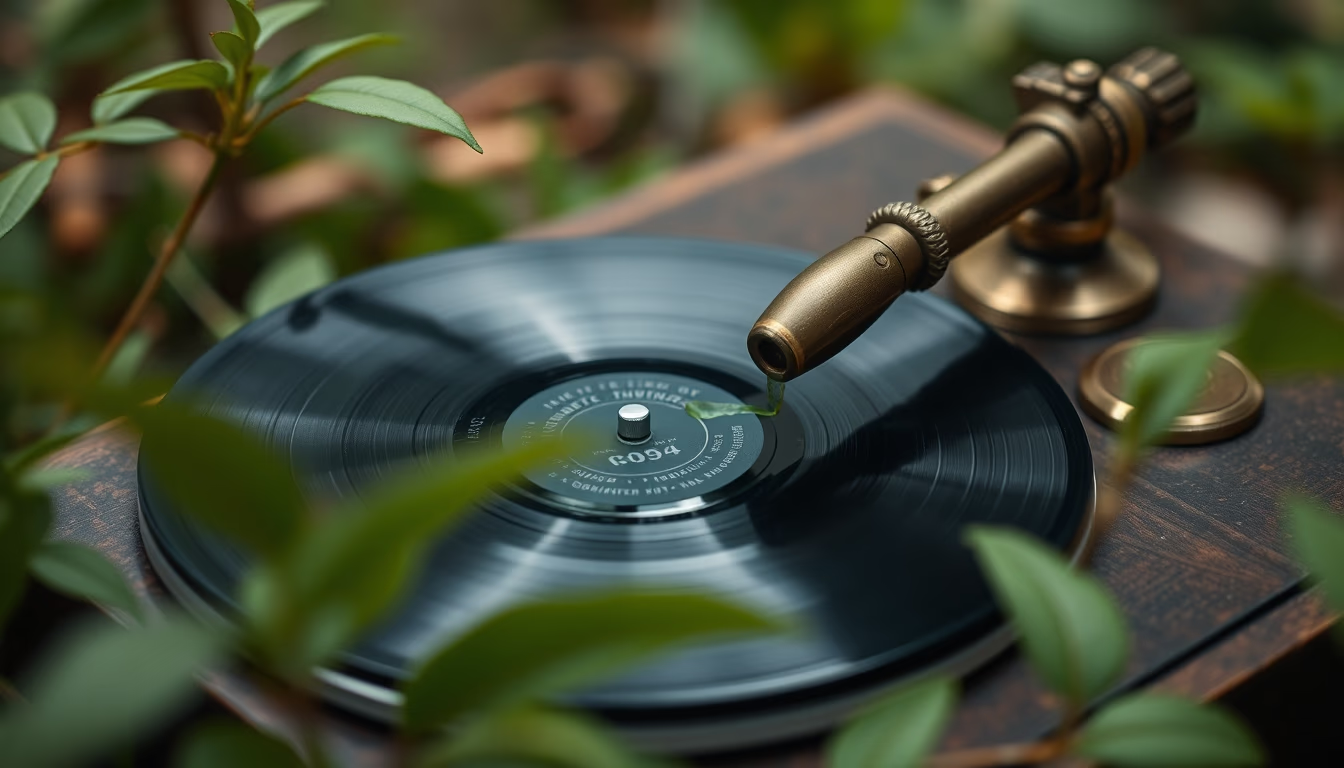
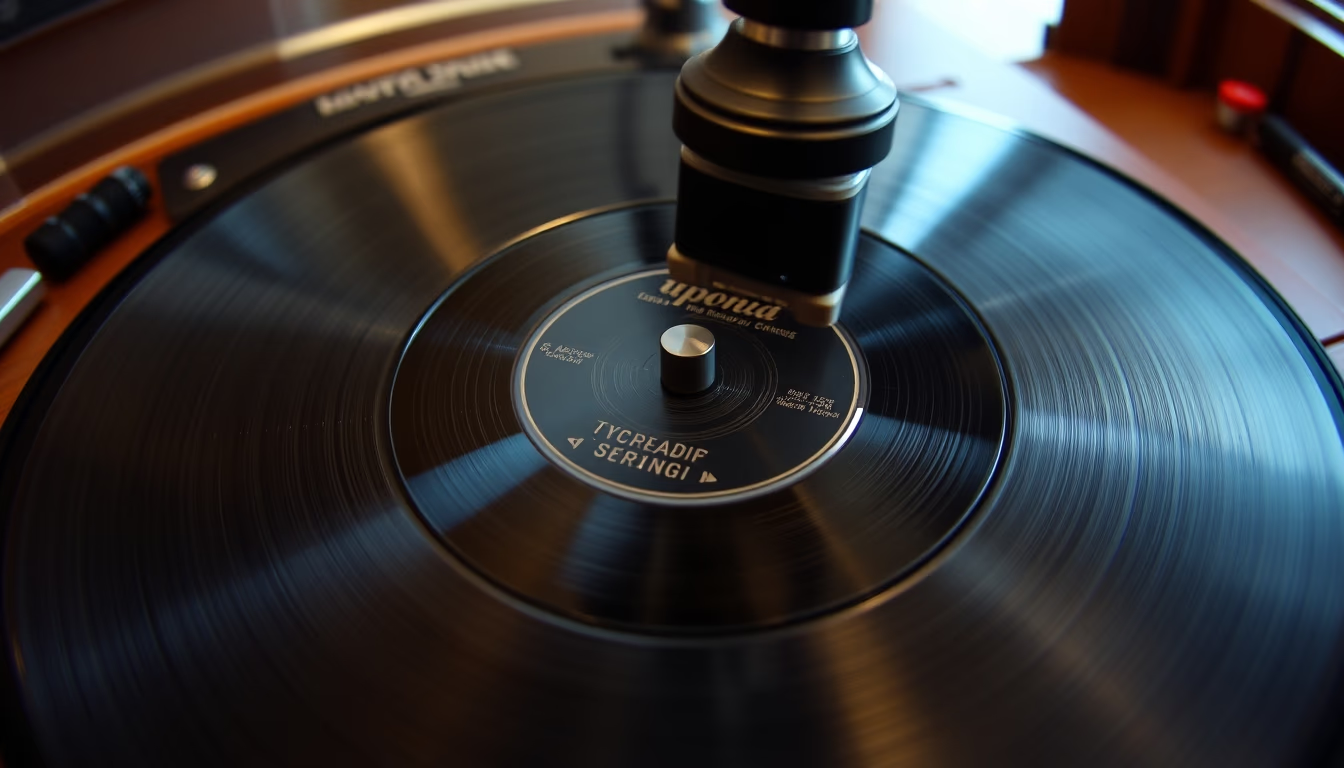
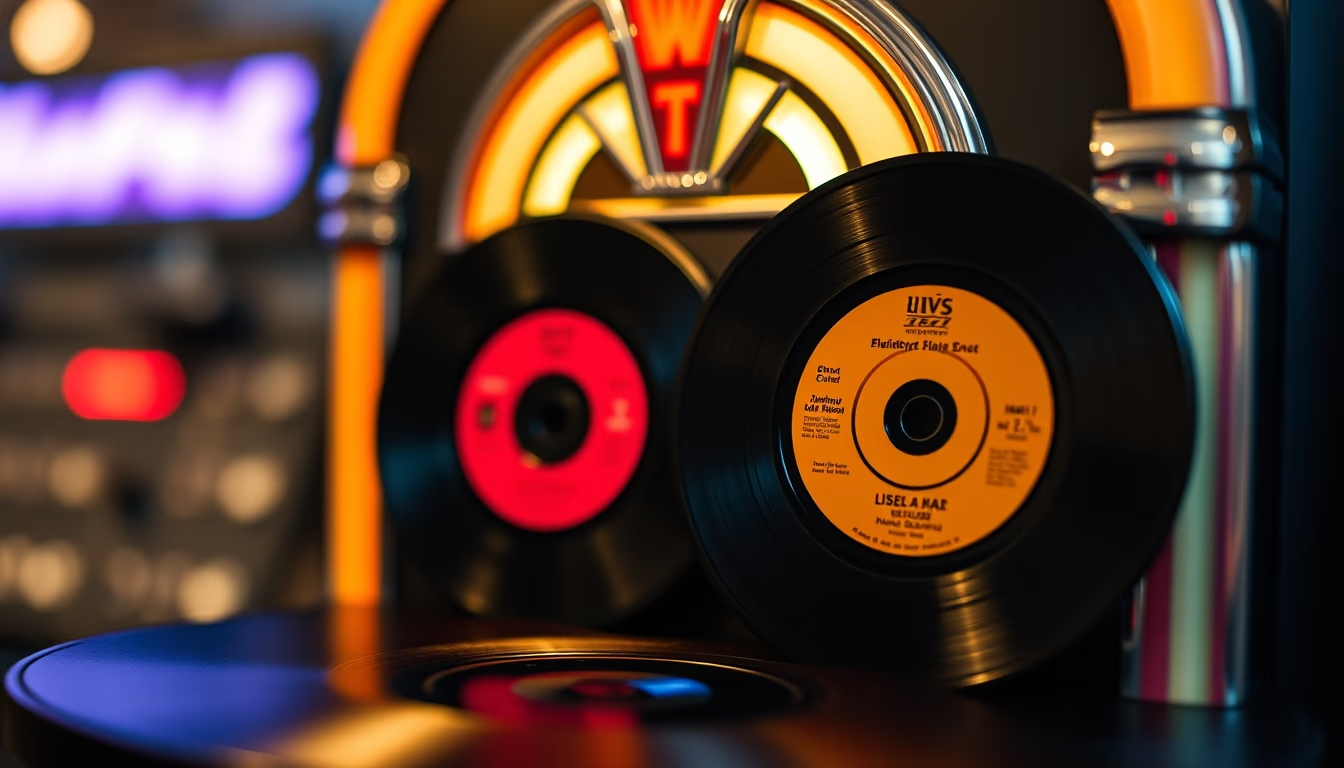
The 78 rpm shellac disc was the dominant phonograph format from the late 19th century to the mid-1950s, shaping the early recording industry and popular music.
About this subject
78 rpm records were made of shellac, a natural resin secreted by insects of the species Kerria lacca, mixed with mineral fillers such as slate dust and cotton fibers. This material made the discs fragile and heavy, weighing between 180 and 220 grams, unlike the flexible vinyl that came later. Each side held only about 3 to 4 minutes of audio, which directly influenced song structure in popular genres like samba, choro, and jazz.
Dominant from the era of phonograph cylinders until the rise of vinyl in the 1950s, 78 rpm records were the medium for the first recordings of jazz, blues, samba, and choro in Brazil. Iconic artists such as Pixinguinha, Carmen Miranda, and Louis Armstrong recorded on 78 rpm. The higher rotation speed required steel needles that wore out quickly and had to be replaced after each play, and a specialized turntable with adjustable speed.
The introduction of microgroove vinyl records (33⅓ LP and 45 rpm) in the late 1940s gradually rendered shellac discs obsolete. Today, 78 rpm records are collector's items, especially Brazilian pressings by labels like Odeon, RCA Victor, and Continental. Their fragility makes many of these discs rare and valuable. Digitization projects, such as the Brazilian Discography Project, help preserve this sonic heritage.
Technical curiosity: the 78 rpm speed was not a precise standard; in practice, it varied from 72 to 80 rpm, depending on the recording equipment. A shellac shortage during World War II led to the recycling of old records to manufacture new ones, destroying countless historic recordings.
Frequently Asked Questions
What is shellac and why was it used in records?
Shellac is a natural resin secreted by the Kerria lacca insect. It was used in 78 rpm records because it could be molded and provided durability, though it made the discs heavy and brittle.
Why are they called 78 rpm records?
78 rpm stands for 78 revolutions per minute, the standard playback speed. In practice, speeds ranged from 72 to 80 rpm, but the name 78 rpm became the common reference.
What is the difference between a 78 rpm record and a vinyl record?
78 rpm records are made of shellac, heavy and fragile, with a capacity of only 3 to 4 minutes per side. Vinyl records are made of polyvinyl chloride, lighter and flexible, with microgrooves that allow longer playing time and better sound quality.
Direct URL
https://pub-c7d6a6ea828543ac903a74a341ccb2e1.r2.dev/imagens/78-rpm-shellac-vintage-documentary-nature-style-fresh10.avifHow to credit
Include a visible link back to UtilizAí. Copy one of the snippets below:
<a href="https://xn--utiliza-eza.com/en/midia/imagens/78-rpm-shellac-vintage-documentary-nature-style-fresh10">78 rpm shellac vintage</a> by <a href="https://xn--utiliza-eza.com">UtilizAí</a>, licensed under <a href="https://creativecommons.org/licenses/by/4.0/">CC BY 4.0</a>.
[78 rpm shellac vintage](https://xn--utiliza-eza.com/en/midia/imagens/78-rpm-shellac-vintage-documentary-nature-style-fresh10) by [UtilizAí](https://xn--utiliza-eza.com), CC BY 4.0
License: CC-BY-4.0