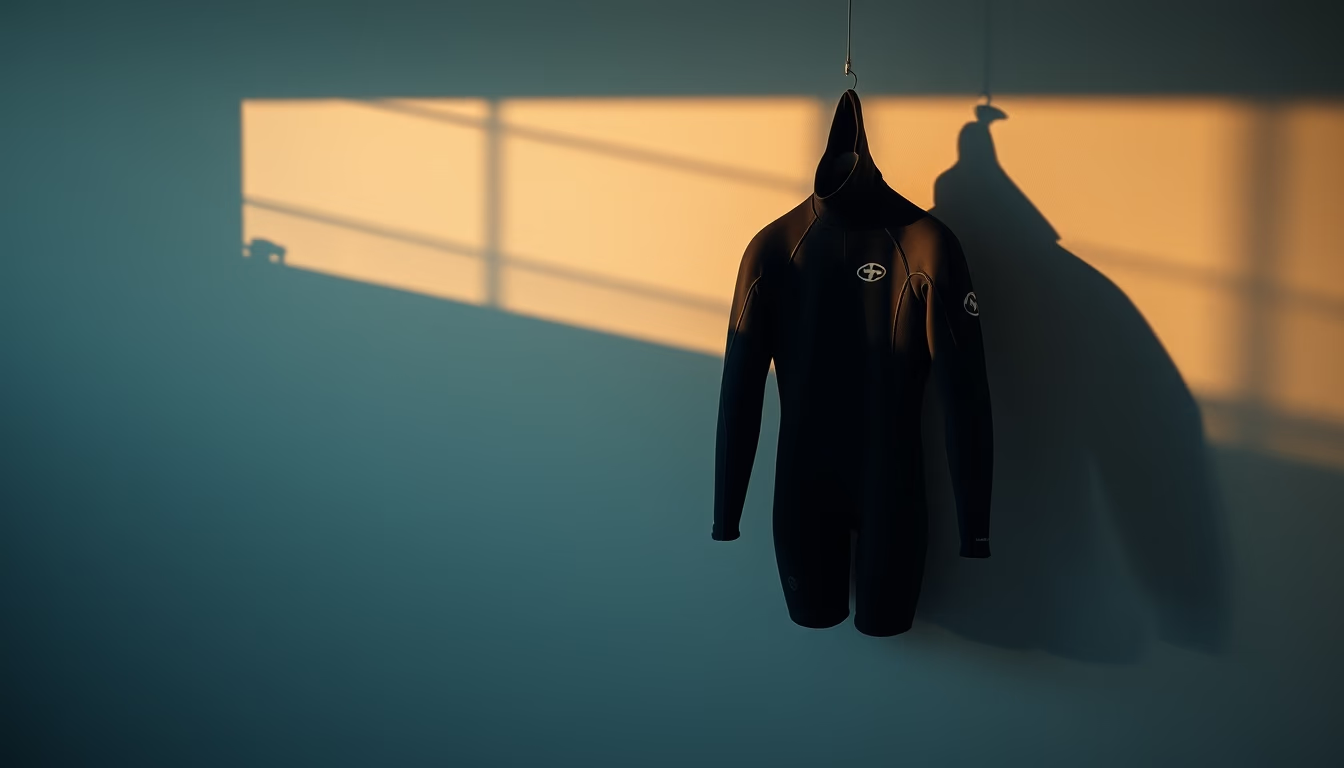
Wetsuit hanging black
1344×768 · AVIF · CC BY 4.0

A black wetsuit hanging, an essential piece for diving and surfing, made of neoprene, insulating the body in cold waters.
About this subject
The wetsuit, also known as a rubber or neoprene suit, is an essential piece of equipment for aquatic activities such as diving, surfing, and triathlon. Its primary function is to provide thermal insulation, keeping the body warm even in cold waters. The most common material is neoprene, a synthetic rubber containing nitrogen bubbles, creating an air layer that retains body heat. Thickness ranges from 2 mm to 7 mm, depending on water temperature and activity. For tropical diving, thin suits (2-3 mm) are used, while in cold waters, such as in southern Brazil, thickness can reach 7 mm.
The history of the wetsuit dates back to the 1950s when physicist Hugh Bradner from the University of California developed the prototype for US Navy divers. Before that, divers used heavy dry suits. Neoprene was quickly adopted by surfers, who needed mobility and warmth. Since then, design has evolved: front or back zippers, glued and taped seams, and differentiated flexibility panels for arms and legs.
In Brazil, wetsuits are popular in coastal regions such as Santa Catarina, Rio de Janeiro, and São Paulo, where water temperatures can drop below 18°C in winter. Besides recreational diving, they are used in sports like kitesurfing and windsurfing. Proper maintenance is crucial: rinse with fresh water after use, dry in the shade, and avoid sun exposure, which degrades neoprene. Black wetsuits are the most common because black absorbs heat and hides wear, but colored versions exist for visibility.
A technical curiosity: the wetsuit works because a thin layer of water penetrates between the fabric and skin, heated by the body. This water does not circulate, creating a thermal barrier. Therefore, the fit must be snug but not compressive. Modern models include inner linings such as plush or thermal lining, which increase comfort and insulation. Research shows that a well-fitted wetsuit can reduce heat loss by up to 50%.
Frequently Asked Questions
How to choose the ideal thickness of a wetsuit?
Thickness depends on water temperature. For water above 24°C, use 2 mm. Between 18 and 24°C, 3 mm. Below 18°C, opt for 5 mm or more. For very cold water (below 10°C), 7 mm wetsuits are recommended.
What is the difference between a wetsuit and a drysuit?
A wetsuit allows a thin layer of water to enter, which is heated by the body; a drysuit is waterproof, keeping the body completely dry. Wetsuits are more flexible and used in temperate waters; drysuits are for extremely cold water or technical diving.
How to care for a black wetsuit to prevent fading?
Rinse with fresh water after use, never use hot water or regular soap. Dry in the shade, away from direct sunlight. Avoid folding the wetsuit for long periods; hang on wide hangers to prevent neoprene deformation.
Direct URL
https://pub-c7d6a6ea828543ac903a74a341ccb2e1.r2.dev/imagens/wetsuit-hanging-black-cinematic-wide-shot-fresh0.avifHow to credit
Include a visible link back to UtilizAí. Copy one of the snippets below:
<a href="https://xn--utiliza-eza.com/en/midia/imagens/wetsuit-hanging-black-cinematic-wide-shot-fresh0">Wetsuit hanging black</a> by <a href="https://xn--utiliza-eza.com">UtilizAí</a>, licensed under <a href="https://creativecommons.org/licenses/by/4.0/">CC BY 4.0</a>.
[Wetsuit hanging black](https://xn--utiliza-eza.com/en/midia/imagens/wetsuit-hanging-black-cinematic-wide-shot-fresh0) by [UtilizAí](https://xn--utiliza-eza.com), CC BY 4.0
License: CC-BY-4.0