Western saddle leather
1344×768 · AVIF · CC BY 4.0
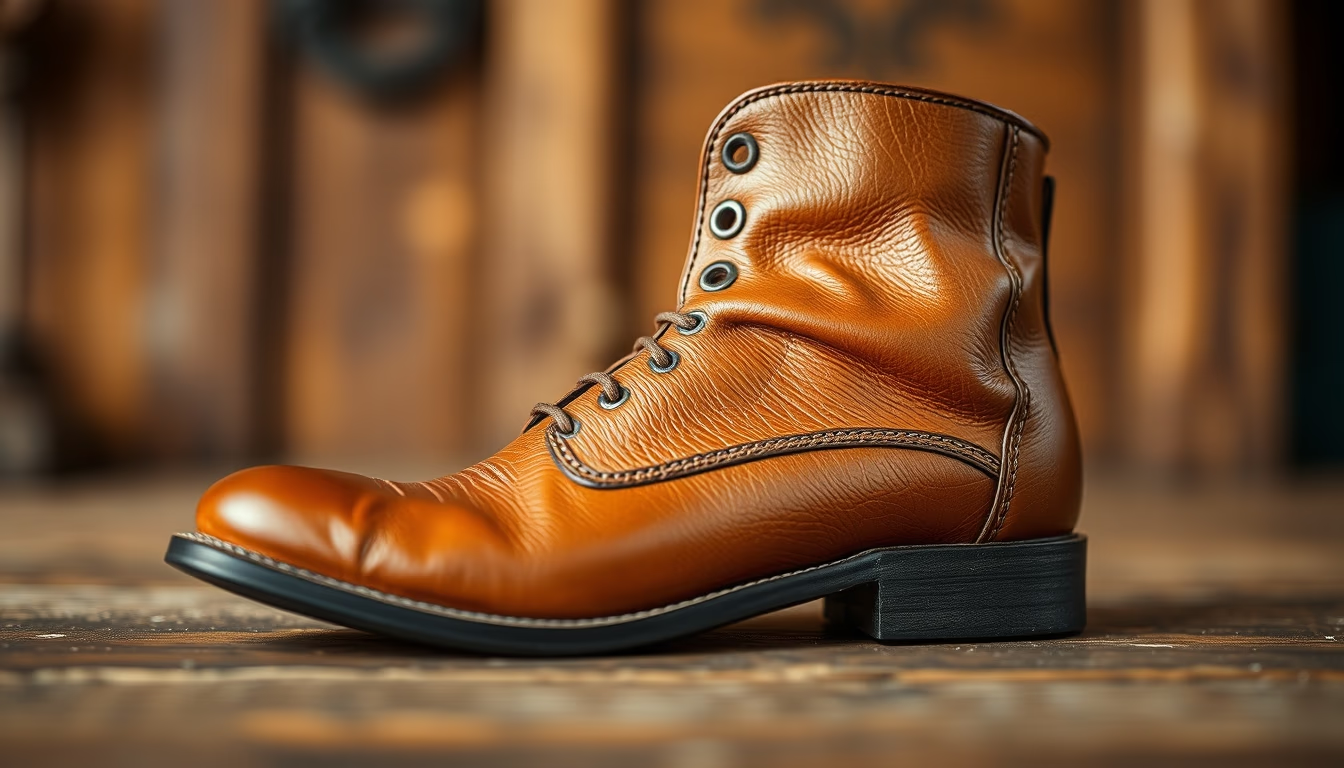
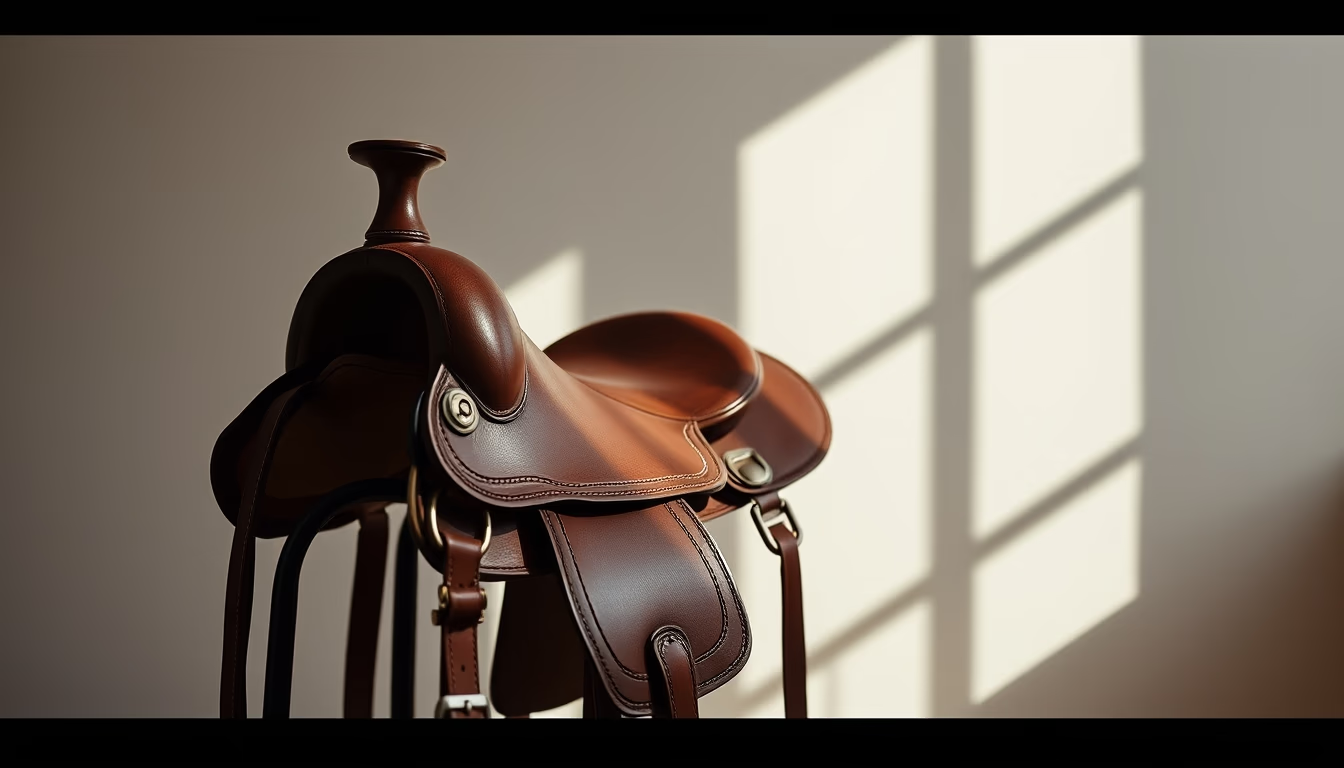
Western saddle leather: characteristics, tanning types, and essential care for durability.
About this subject
The leather used in western saddles is traditionally sourced from cattle, tanned using chrome or vegetable methods. Vegetable tanning, employing tree bark tannins, yields a stiffer, more moldable leather ideal for the elaborate tooling and carving typical of western saddles. Chrome tanning produces a softer, more water-resistant leather but is less suited for detailed decoration. Leather thickness ranges from 4 to 6 mm, ensuring strength to support the rider's weight and constant use.
Leather choice directly impacts saddle longevity. Top-grade leathers like vaqueta (high-resistance bovine leather) and buffalo leather are preferred for durability. The manufacturing process includes dyeing, greasing, and oil application for moisturization. Western saddles often feature handcrafted metalwork and stitching with waxed nylon or polyester threads, which also require maintenance.
Leather maintenance is crucial: clean with mild soap or specific products, moisturize with oils or conditioners, and store in a dry, ventilated area. Excessive sun or moisture causes drying, cracking, and mold. Using protective covers and periodically lubricating metal parts (like stirrups and buckles) extend lifespan.
In North American western culture, saddle leather also carries aesthetic and symbolic value. Show saddles may feature hand-tooled leather with floral or geometric patterns, sometimes accented with silver. These pieces are considered works of art and demand even more specialized care.
Frequently Asked Questions
What is the best type of leather for a western saddle?
Vegetable-tanned bovine leather (vaqueta) is the most common and durable, ideal for tooling. Buffalo leather is also strong. Avoid overly soft leathers that cannot withstand heavy use.
How to moisturize western saddle leather?
Use specific leather oils (like neatsfoot oil) or conditioners. Apply with a soft cloth, let it absorb, then buff. Do not use common vegetable oil, which can go rancid.
What causes cracks in saddle leather?
Drying from sun exposure, excessive heat, or lack of moisturizing. Constant moisture also damages. Keep the saddle in a controlled humidity environment and moisturize regularly.
Direct URL
https://pub-c7d6a6ea828543ac903a74a341ccb2e1.r2.dev/imagens/western-saddle-leather-tilt-shift-miniature-fresh11.avifHow to credit
Include a visible link back to UtilizAí. Copy one of the snippets below:
<a href="https://xn--utiliza-eza.com/en/midia/imagens/western-saddle-leather-tilt-shift-miniature-fresh11">Western saddle leather</a> by <a href="https://xn--utiliza-eza.com">UtilizAí</a>, licensed under <a href="https://creativecommons.org/licenses/by/4.0/">CC BY 4.0</a>.
[Western saddle leather](https://xn--utiliza-eza.com/en/midia/imagens/western-saddle-leather-tilt-shift-miniature-fresh11) by [UtilizAí](https://xn--utiliza-eza.com), CC BY 4.0
License: CC-BY-4.0