Western saddle leather
1344×768 · AVIF · CC BY 4.0

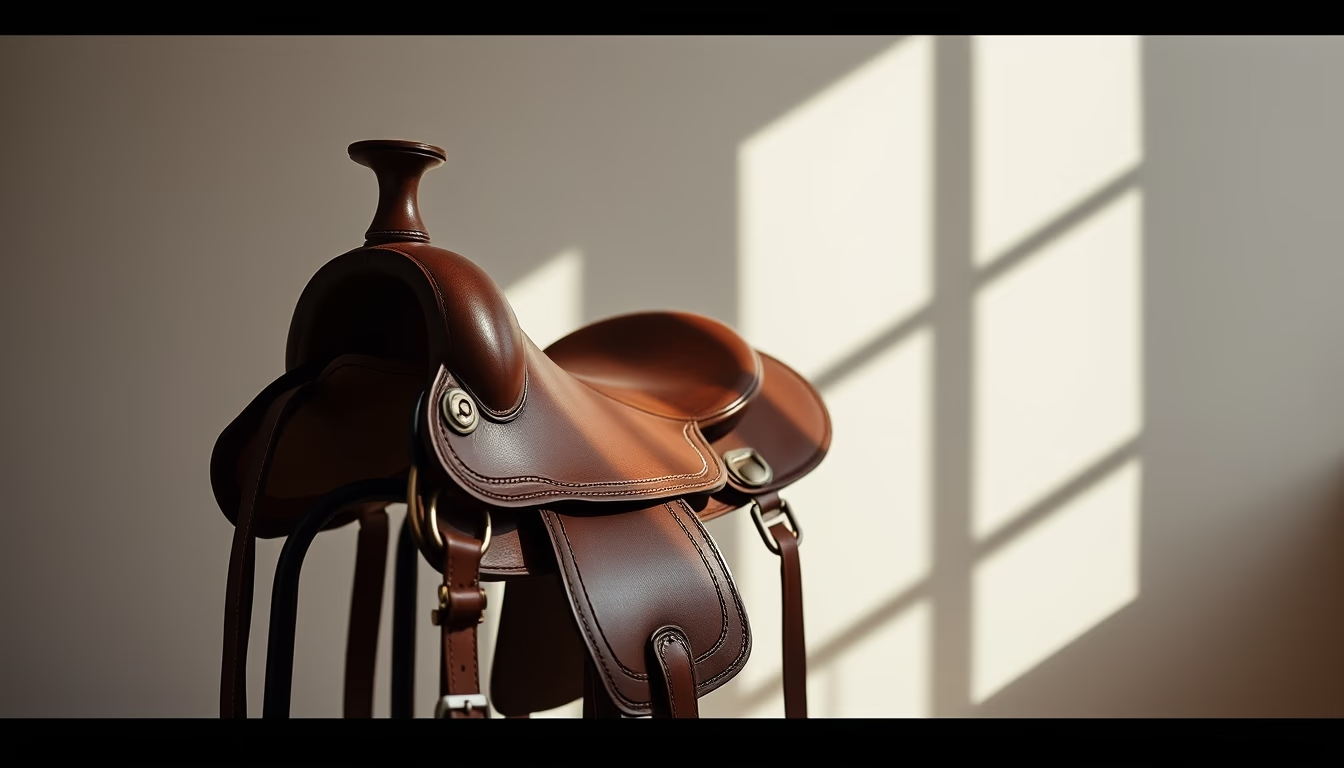
Western saddle leather is chosen for durability and strength, reflecting centuries of cowboy and vaquejada tradition.
About this subject
Western saddles, widely used in activities such as rodeo, vaquejada, and ranch work, are traditionally made from high-quality bovine leather. The most common type is full grain leather, which retains the natural outer layer of the hide, offering maximum resistance to tears and punctures. This material undergoes chrome or vegetable tanning, with the latter preferred for custom saddles because it allows detailed carving and embossing. Typical western saddles use 10 to 15 square feet of leather and weigh between 15 and 25 kilograms, depending on purpose, working saddles are heavier and sturdier, while show saddles prioritize decorative finishes.
Manufacturing a western saddle involves multiple leather components: the tree (internal structure), the seat, stirrups, and fenders. Each piece is cut, stitched, and often decorated with hand tools. The leather can be dyed with alcohol- or oil-based anilines, resulting in colors like dark brown, black, or reddish tones. Unlike English saddles, which use thinner, more flexible leather for close contact with the horse, western saddle leather is thick and rigid, providing stability for long hours of riding. Tooling is a regional art, with distinct styles in Texas, Arizona, and Brazil, where the northeastern vaquejada tradition influences floral and geometric motifs.
Proper leather maintenance is crucial to extend the saddle's lifespan, which can exceed 50 years with care. Regular cleaning with saddle soap and conditioning with lanolin- or mink oil-based products is recommended. Excessive sun exposure or storage in humid environments can cause drying, cracking, or mold. Many horsemen and ranch hands have custom saddles made by specialized artisans, making each piece unique. Western saddle leather is not merely a utilitarian material but a testament to equestrian culture and the craftsmanship of leatherworkers.
Frequently Asked Questions
What is the best type of leather for a western saddle?
Full grain vegetable-tanned leather is considered the best for western saddles, offering high strength, durability, and the ability for detailed hand tooling.
How to care for western saddle leather to make it last for decades?
Clean the saddle regularly with glycerin soap or saddle soap, apply leather conditioner (such as lanolin) every 3-6 months, and store in a dry, ventilated area away from direct sunlight.
What is the difference between western saddle leather and English saddle leather?
Western saddle leather is thicker, stiffer, and heavier, prioritizing durability and stability for long rides. English saddle leather is thinner, more flexible, and lighter, favoring closer contact with the horse.
Direct URL
https://pub-c7d6a6ea828543ac903a74a341ccb2e1.r2.dev/imagens/western-saddle-leather-architectural-photography-fresh4.avifHow to credit
Include a visible link back to UtilizAí. Copy one of the snippets below:
<a href="https://xn--utiliza-eza.com/en/midia/imagens/western-saddle-leather-architectural-photography-fresh4">Western saddle leather</a> by <a href="https://xn--utiliza-eza.com">UtilizAí</a>, licensed under <a href="https://creativecommons.org/licenses/by/4.0/">CC BY 4.0</a>.
[Western saddle leather](https://xn--utiliza-eza.com/en/midia/imagens/western-saddle-leather-architectural-photography-fresh4) by [UtilizAí](https://xn--utiliza-eza.com), CC BY 4.0
License: CC-BY-4.0