Washi tape rolls
1344×768 · AVIF · CC BY 4.0
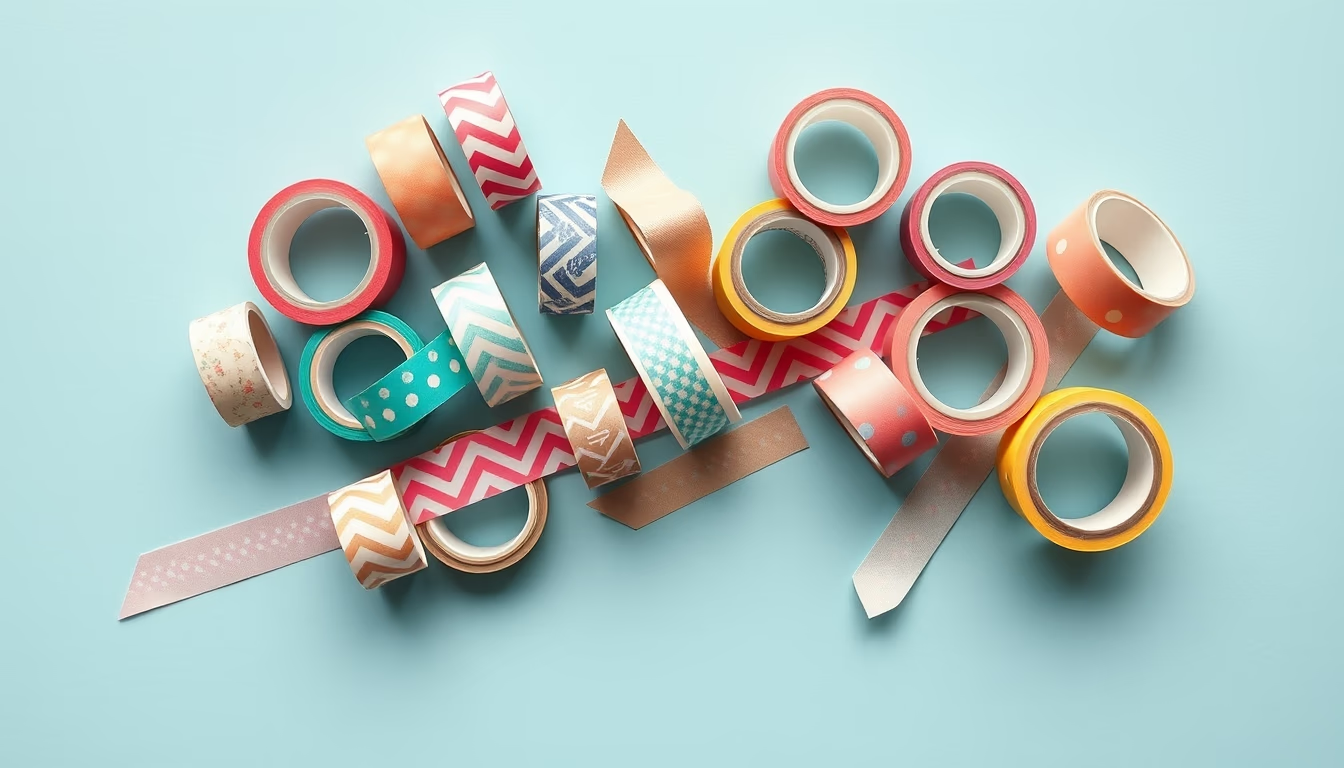
Rolls of washi tape, the Japanese decorative adhesive tape made from handmade paper, used in scrapbooking, crafts, and organization.
About this subject
Washi tape is a decorative adhesive tape originating from Japan, handmade from natural fibers such as kozo, mitsumata, or gampi. Unlike common plastic tapes, washi tape is removable and repositionable, leaving little to no residue and without damaging surfaces. Its fine, semi-transparent texture allows for creative layering in stationery and art projects.
The tradition of washi dates back to the 8th century, when papermaking was introduced to Japan from China. Over time, washi production became a refined art, recognized by UNESCO as an Intangible Cultural Heritage. Washi tape as a derivative product emerged in the 2000s, popularized by brands like MT (Masking Tape) from Kamoi Kakoshi Co. Since then, it has gained a global following in scrapbooking, journaling, interior decoration, and even packaging.
Rolls of washi tape come in a vast array of patterns, from floral and geometric designs to characters and seasonal themes. Many patterns are inspired by Japanese culture, such as sakura, waves, woodblock prints, and calligraphy. The tape is widely used in planners and bullet journals to mark pages, create calendars, or highlight tasks. Its versatility also extends to DIY projects, like decorating vases, frames, and paper objects.
Beyond aesthetics, washi tape carries sustainable value, as its natural paper base is biodegradable and renewable. Japanese artisans continue to produce high-quality washi using centuries-old techniques. For collectors, limited editions and artist collaborations make washi tape a niche item that is both functional and artistic.
Frequently Asked Questions
What is washi tape and what is it used for?
Washi tape is a decorative Japanese adhesive tape made from handmade paper. It is used in scrapbooking, bullet journals, decoration, packaging, and general crafts, as it is removable and repositionable without damaging surfaces.
How to apply washi tape without damaging surfaces?
Apply the tape to clean, dry surfaces. To remove, pull slowly at a 45-degree angle. It leaves little to no residue, but avoid very porous or delicate surfaces.
What are the most common types of washi tape?
Types vary by width (5 mm to 50 mm), pattern (floral, geometric, characters, seasonal themes), and material (pure washi paper or blends). Brands like MT, Bandai, and Scotch offer options for different uses.
Direct URL
https://pub-c7d6a6ea828543ac903a74a341ccb2e1.r2.dev/imagens/washi-tape-rolls-isometric-flat-lay-fresh4.avifHow to credit
Include a visible link back to UtilizAí. Copy one of the snippets below:
<a href="https://xn--utiliza-eza.com/en/midia/imagens/washi-tape-rolls-isometric-flat-lay-fresh4">Washi tape rolls</a> by <a href="https://xn--utiliza-eza.com">UtilizAí</a>, licensed under <a href="https://creativecommons.org/licenses/by/4.0/">CC BY 4.0</a>.
[Washi tape rolls](https://xn--utiliza-eza.com/en/midia/imagens/washi-tape-rolls-isometric-flat-lay-fresh4) by [UtilizAí](https://xn--utiliza-eza.com), CC BY 4.0
License: CC-BY-4.0