Washi tape rolls
1344×768 · AVIF · CC BY 4.0
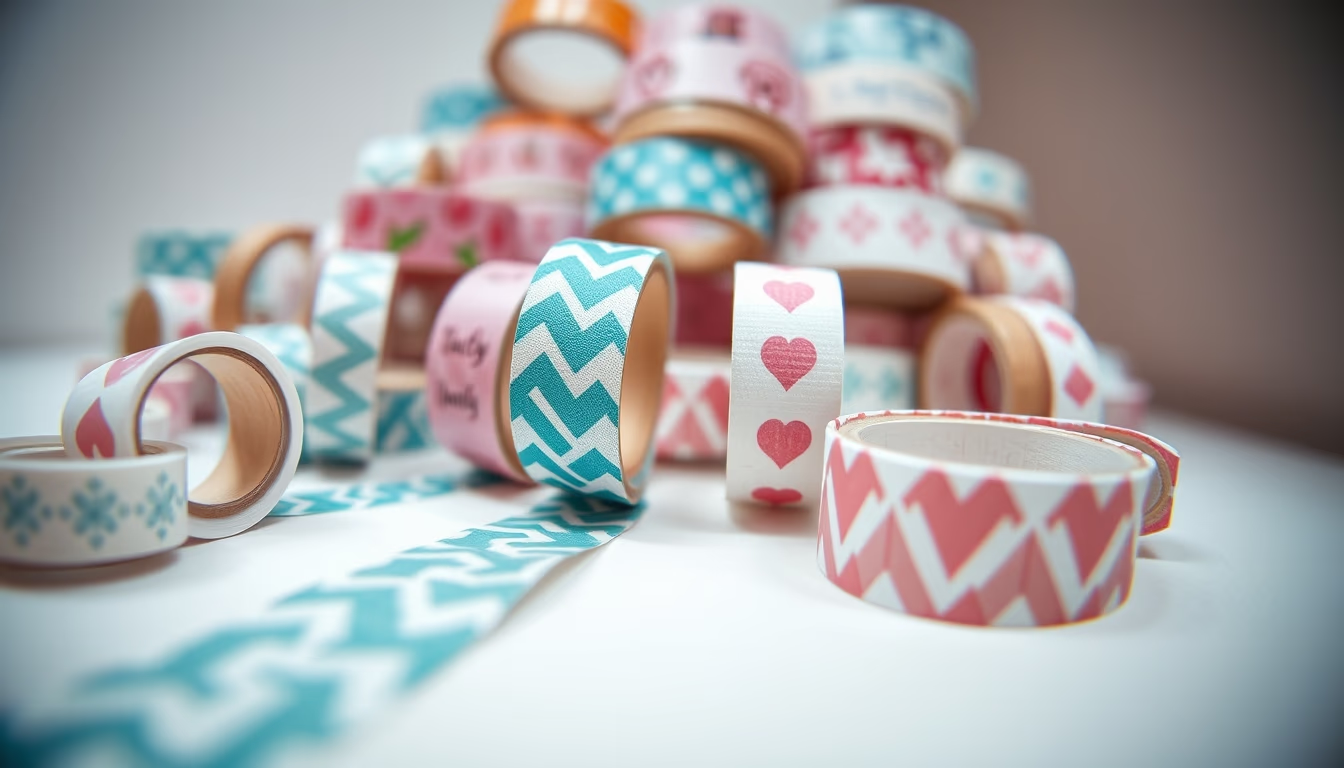
Rolls of washi tape, a Japanese stationery item that blends traditional craftsmanship with creative versatility in decoration and craft projects.
About this subject
Washi tape, originating from Japan, is made from washi, a traditional Japanese handmade paper. Unlike common adhesive tapes, washi is produced from plant fibers such as kozo (mulberry), mitsumata, or gampi, giving it a unique texture and durability. Washi tapes are known for being repositionable: they can be stuck and removed without damaging delicate surfaces like paper, painted walls, or photographs.
The decorative use of washi tape exploded in Japanese pop culture during the 2000s, driven by the scrapbooking and bullet journal movements. Today, thousands of patterns exist, from traditional florals to geometric designs and anime characters. Handcrafted production is still valued, with small workshops producing limited editions using manual dyeing techniques.
Beyond scrapbooking, washi tape is used in interior decoration to create wall frames, personalize objects like pens and bottles, and even in craft projects such as lampshades. The material's versatility allows it to be cut, overlapped, and combined creatively without losing adhesion.
Interestingly, traditional washi tape does not use strong chemical adhesives; the stickiness comes from the paper's own texture and a thin layer of natural glue. This makes it ideal for environments where damage or residue must be avoided, such as in rentals or collections of valuable objects.
Frequently Asked Questions
Does washi tape damage walls when removed?
Generally no, because washi tape is designed to be removable without leaving residue or damaging paint. However, on very fragile surfaces or low-quality paint, it is advisable to test on an inconspicuous area.
What is the difference between washi tape and regular adhesive tape?
Washi tape is made from handmade washi paper, has a thinner texture, and is repositionable. Regular adhesive tape uses plastic and strong glue, often leaving residue and requiring care for removal.
Can washi tape be used in notebooks and bullet journals?
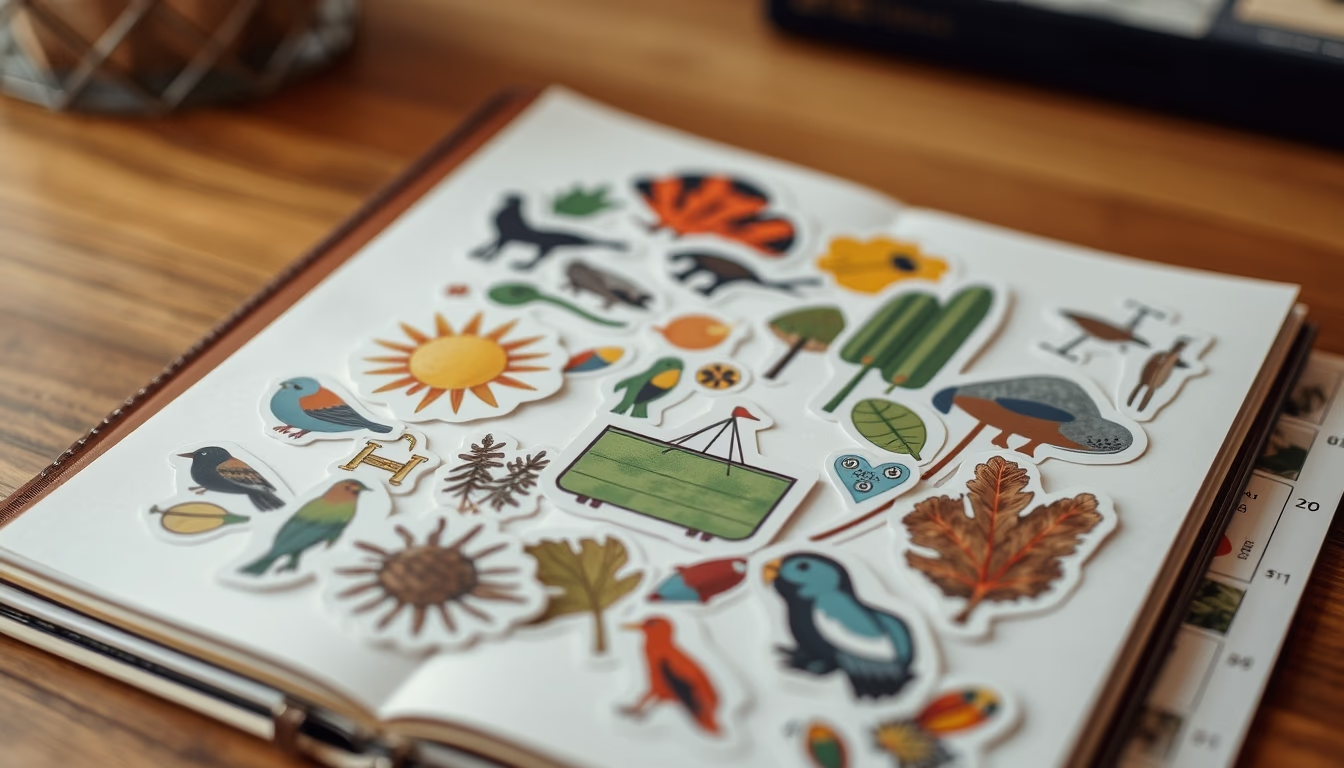
Yes, it is one of the most common uses. Washi tape adheres well to paper, can be cut into various shapes, and removed without tearing pages, allowing for temporary or permanent decorations.
Direct URL
https://pub-c7d6a6ea828543ac903a74a341ccb2e1.r2.dev/imagens/washi-tape-rolls-fish-eye-wide-angle-fresh5.avifHow to credit
Include a visible link back to UtilizAí. Copy one of the snippets below:
<a href="https://xn--utiliza-eza.com/en/midia/imagens/washi-tape-rolls-fish-eye-wide-angle-fresh5">Washi tape rolls</a> by <a href="https://xn--utiliza-eza.com">UtilizAí</a>, licensed under <a href="https://creativecommons.org/licenses/by/4.0/">CC BY 4.0</a>.
[Washi tape rolls](https://xn--utiliza-eza.com/en/midia/imagens/washi-tape-rolls-fish-eye-wide-angle-fresh5) by [UtilizAí](https://xn--utiliza-eza.com), CC BY 4.0
License: CC-BY-4.0