Washi tape rolls
1344×768 · AVIF · CC BY 4.0

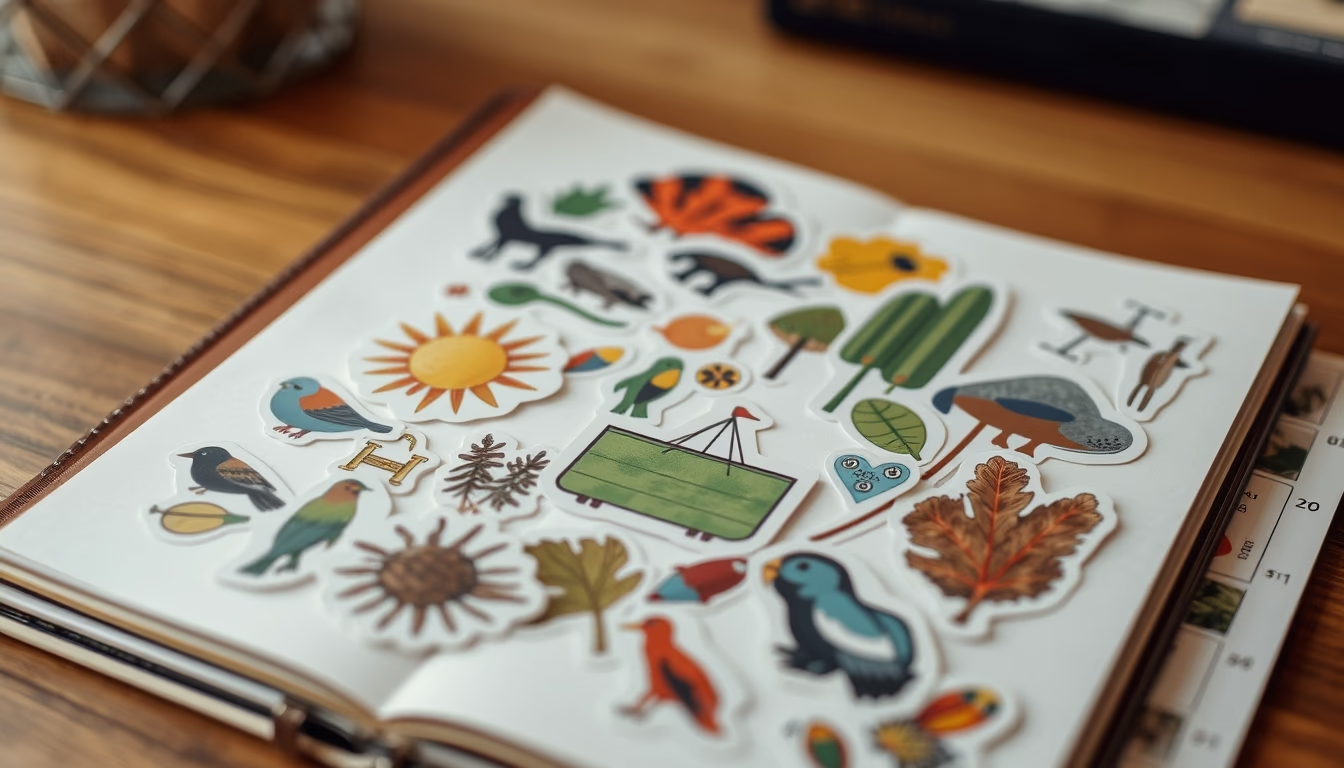
Rolls of washi tape, a decorative Japanese tape made from natural fibers, are essential items for crafts and scrapbooking.
About this subject
Washi tape is a decorative adhesive tape originating from Japan, traditionally made from natural fibers such as bamboo, hemp, and rice. Unlike common tape, washi tape has low adhesion, allowing it to be removed and repositioned without damaging surfaces, making it popular for scrapbooking, bullet journals, gift wrapping, and DIY projects. The word "washi" comes from the combination of "wa" (Japanese) and "shi" (paper), reflecting its cultural heritage.
The production of washi tape involves artisanal techniques dating back to the Heian period (794-1185), but the modern adhesive version was popularized in the 2000s by Japanese companies like MT Masking Tape. Today, there are thousands of patterns, from floral and geometric designs to anime characters and seasonal themes. The global market for washi tape has grown significantly, with collectors and artists using the tapes to personalize objects and create layered art.
An interesting fact is that washi tape can be used on walls and furniture as temporary decoration, being resistant to moderate sunlight. However, its application is best on smooth, clean surfaces. Besides creative use, washi tape is also employed in offices for labeling and organization, thanks to its variety of colors and widths.
Frequently Asked Questions
Does washi tape damage walls when removed?
Washi tape has low adhesive strength and is designed to be removed without leaving residue or damaging most surfaces. However, it is recommended to test on an inconspicuous area before using on painted or textured walls.
What are the most common uses for washi tape?
Common uses include decorating notebooks and planners, scrapbooking, gift wrapping, labeling jars and objects, and general crafts. It is also used in temporary home decor projects.
Why is washi tape called Japanese tape?
The term 'washi' combines 'wa' (Japanese) and 'shi' (paper), referring to the tradition of handmade Japanese paper. The tape is produced using Japanese techniques and natural fibers, maintaining cultural heritage.
Direct URL
https://pub-c7d6a6ea828543ac903a74a341ccb2e1.r2.dev/imagens/washi-tape-rolls-documentary-photography-fresh8.avifHow to credit
Include a visible link back to UtilizAí. Copy one of the snippets below:
<a href="https://xn--utiliza-eza.com/en/midia/imagens/washi-tape-rolls-documentary-photography-fresh8">Washi tape rolls</a> by <a href="https://xn--utiliza-eza.com">UtilizAí</a>, licensed under <a href="https://creativecommons.org/licenses/by/4.0/">CC BY 4.0</a>.
[Washi tape rolls](https://xn--utiliza-eza.com/en/midia/imagens/washi-tape-rolls-documentary-photography-fresh8) by [UtilizAí](https://xn--utiliza-eza.com), CC BY 4.0
License: CC-BY-4.0