Vintage postcards stack
1344×768 · AVIF · CC BY 4.0
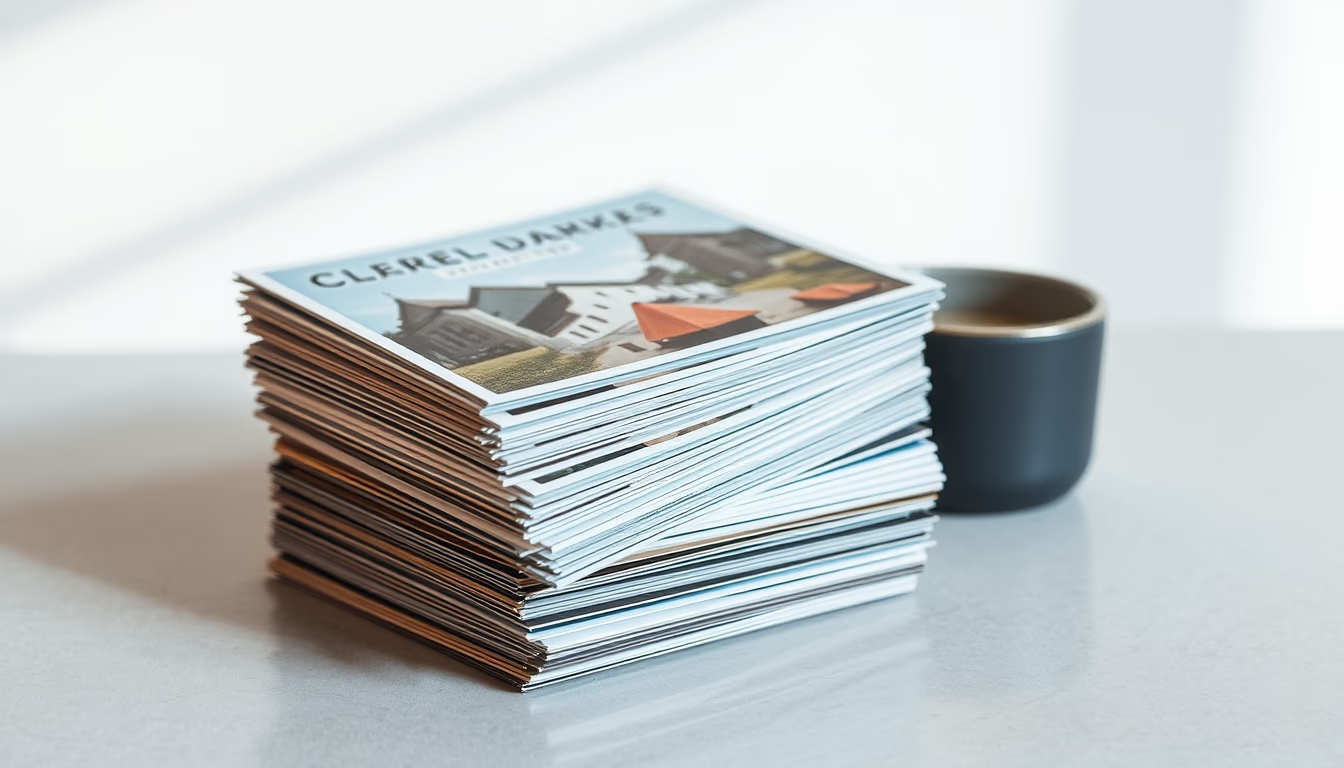
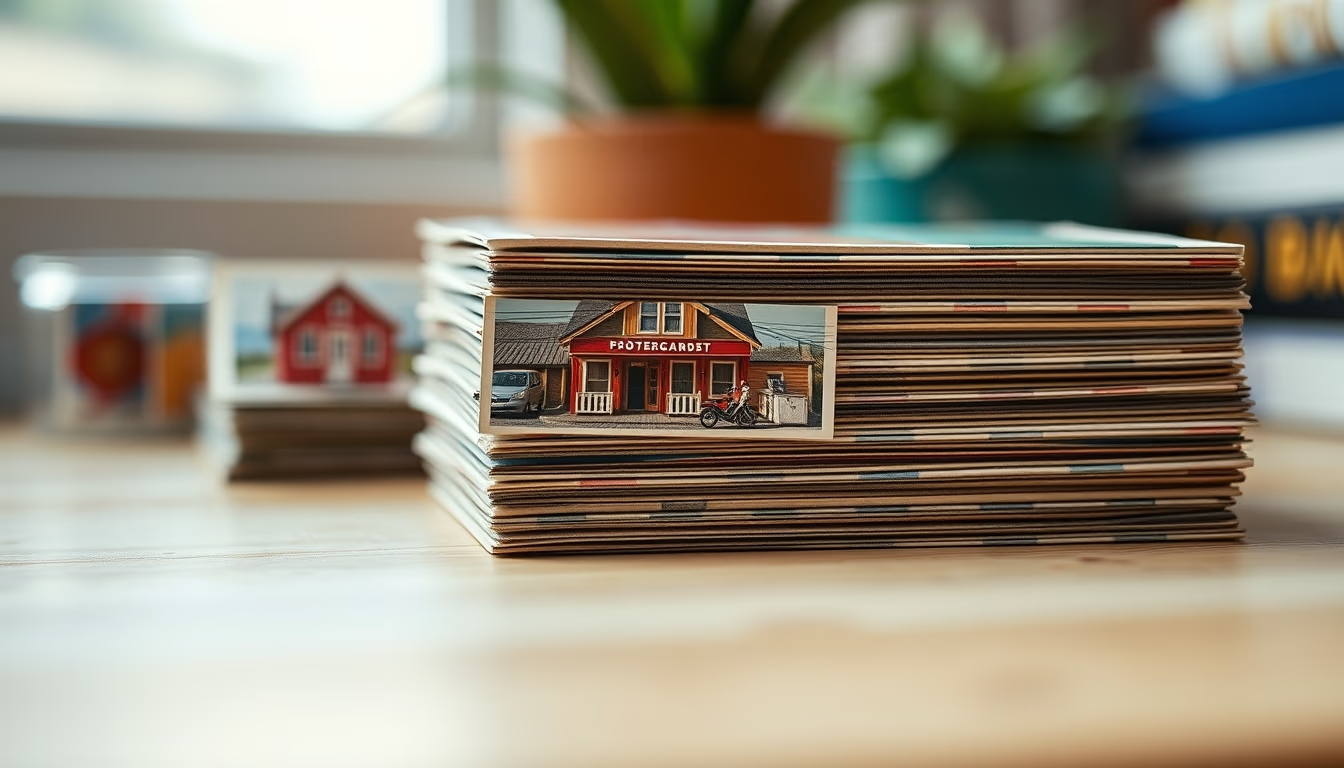
A stack of vintage postcards, relics that tell stories of travel, affection, and urban transformations throughout the 20th century.
About this subject
Vintage postcards are far more than simple printed images; they are material testimonies of an era when visual and written communication walked hand in hand. Emerging in the late 19th century, postcards quickly became popular as cheap and fast correspondence, reaching their peak between 1900 and 1950. Each card carries not only a photograph of a landscape, monument, or event, but also handwriting, stamps, and postmarks that reveal the physical journey of the message.
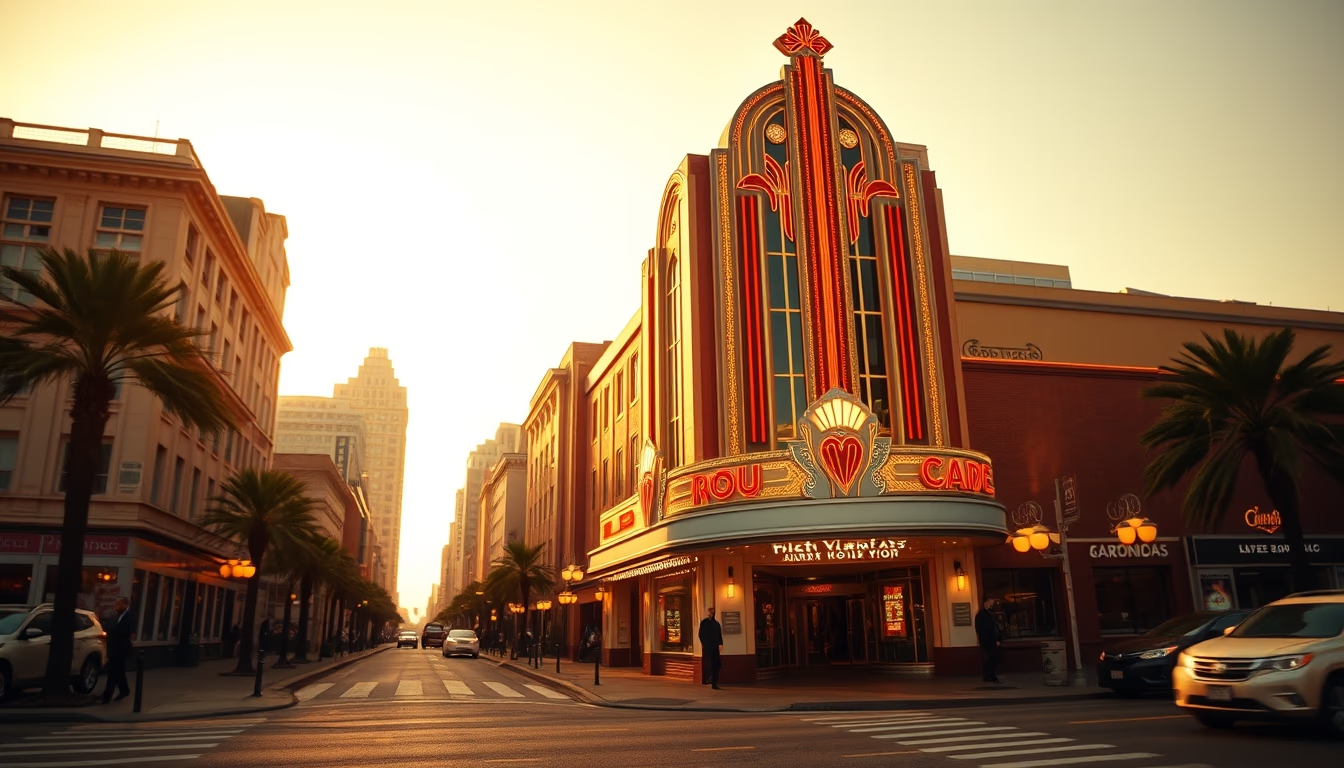
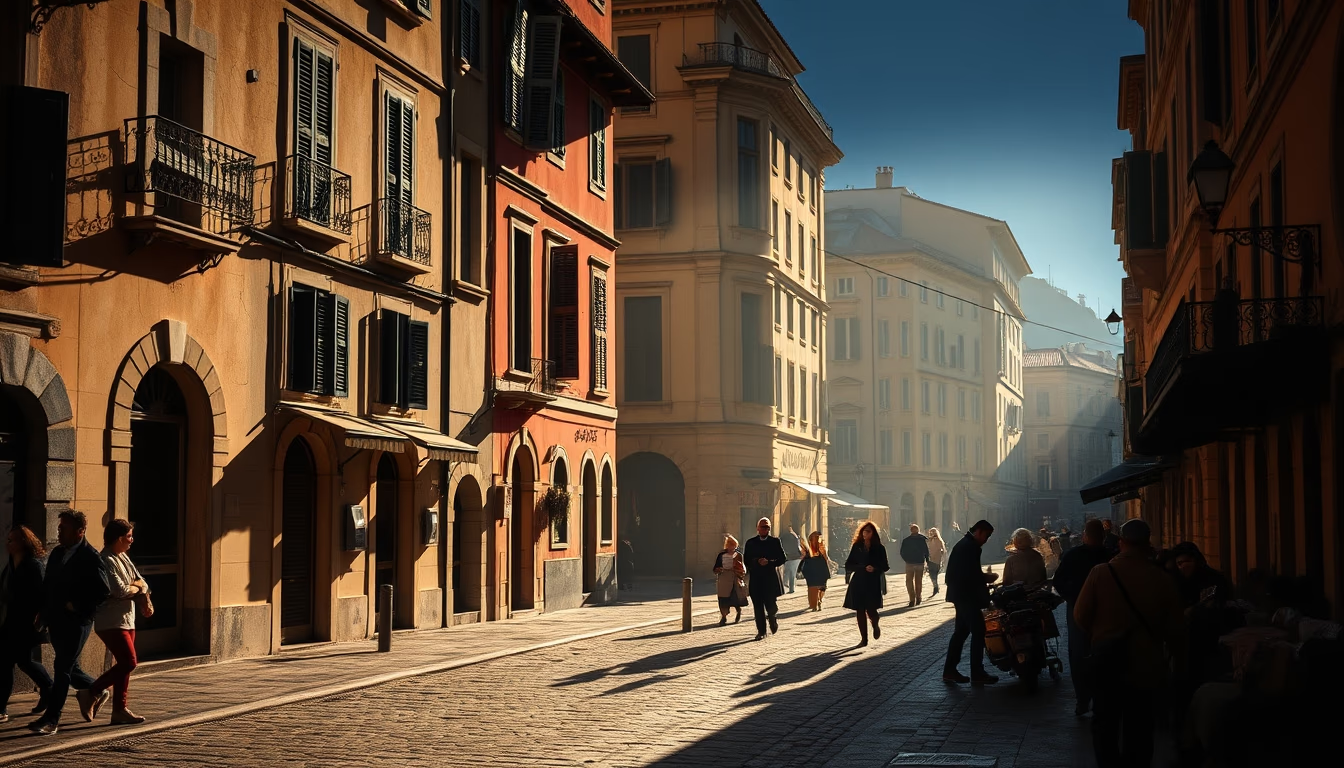
In Brazil, the postcard tradition gained momentum with large exhibitions and the modernization of cities. Postcards of Rio de Janeiro featuring Sugarloaf Mountain, São Paulo with the Viaduto do Chá, or Ouro Preto with its baroque churches circulated among friends and family, functioning as true albums of affective memory. Today, these items are collectibles valued by historians, artists, and nostalgics seeking to preserve social, architectural, and graphic aspects of past times.
The production of postcards involved techniques such as phototypie and lithography, with print runs that could reach thousands of copies. Many were hand-colored, resulting in vibrant tones that contrast with the sobriety of modern photographs. Beyond sentimental value, old postcards are primary sources for studies of urban iconography, fashion, and behavior. The variety of styles, from Art Nouveau to Art Deco, from photographic realism to romantic illustrations, reflects the aesthetic changes of each decade.
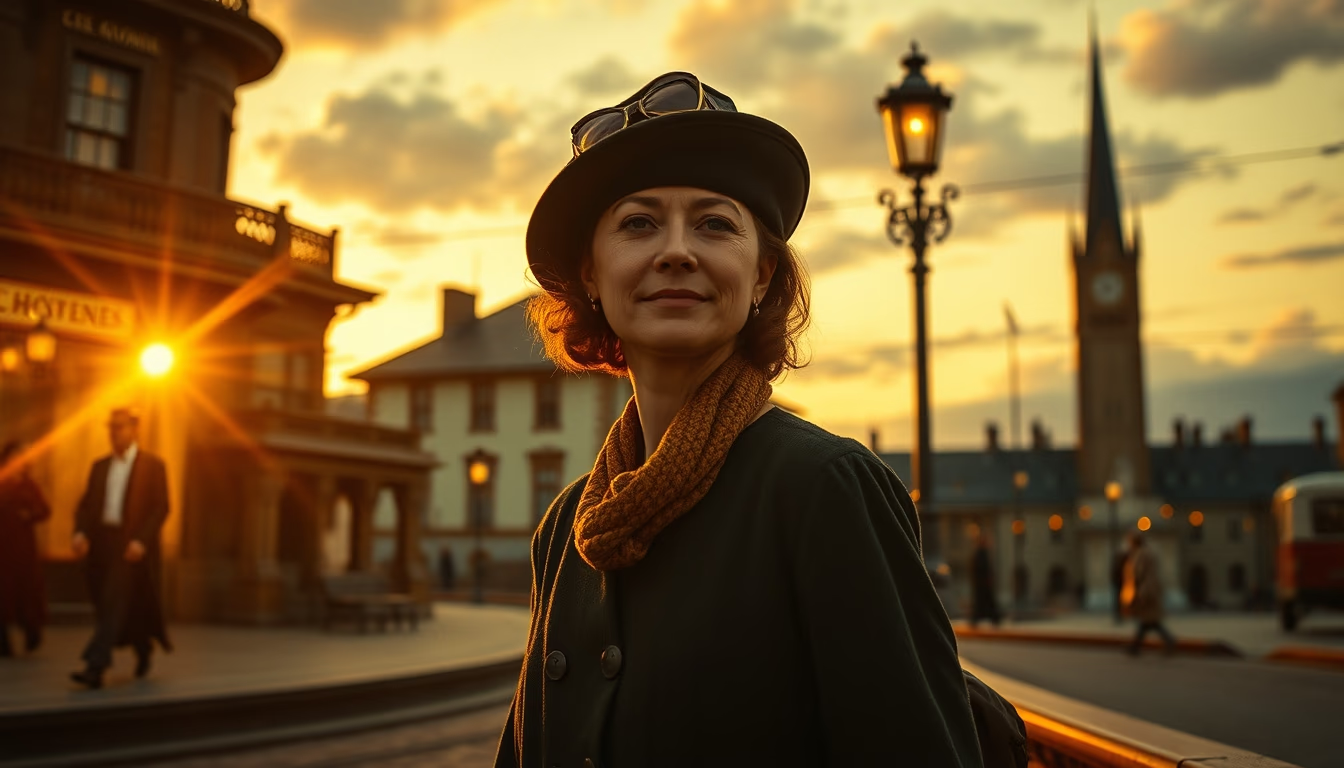
With the rise of mass tourism, postcards became standardized souvenirs, but vintage examples retain a unique charm. They evoke the slowness of traditional mail, the expectation of receiving news, and the care in choosing the image that would represent the sender. Collecting postcards is also a way to travel through time, connecting with landscapes that may no longer exist or have been profoundly transformed.
Frequently Asked Questions
What is the best way to preserve old postcards?
Store postcards in albums with acid-free plastic sleeves or in boxes made of neutral paper. Avoid direct sunlight, humidity, and sudden temperature changes. Handle with clean hands or wear cotton gloves to prevent oil transfer.
How do you determine the value of a vintage postcard?
Value depends on rarity, condition, market demand, and historical context. Postcards of famous locations, with special stamps, or handwritten messages from notable people are more valuable. Consult specialized catalogs and auction sites for reference.
Are vintage-style postcards still produced today?
Not in the same volume as before. Mass production declined with the digital age, but some artists and publishers still produce limited editions or facsimiles of historical cards, keeping the vintage aesthetic alive.
Direct URL
https://pub-c7d6a6ea828543ac903a74a341ccb2e1.r2.dev/imagens/vintage-postcards-stack-minimalist-composition-fresh5.avifHow to credit
Include a visible link back to UtilizAí. Copy one of the snippets below:
<a href="https://xn--utiliza-eza.com/en/midia/imagens/vintage-postcards-stack-minimalist-composition-fresh5">Vintage postcards stack</a> by <a href="https://xn--utiliza-eza.com">UtilizAí</a>, licensed under <a href="https://creativecommons.org/licenses/by/4.0/">CC BY 4.0</a>.
[Vintage postcards stack](https://xn--utiliza-eza.com/en/midia/imagens/vintage-postcards-stack-minimalist-composition-fresh5) by [UtilizAí](https://xn--utiliza-eza.com), CC BY 4.0
License: CC-BY-4.0