Venus willendorf statue
1344×768 · AVIF · CC BY 4.0

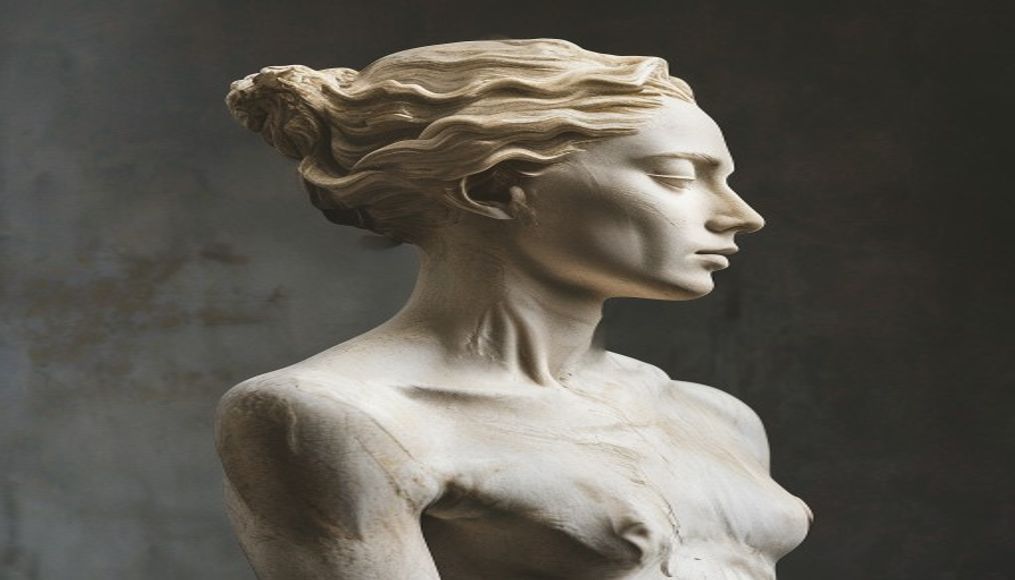
The Venus of Willendorf is an 11 cm Paleolithic figurine discovered in 1908 in Austria, a symbol of fertility and prehistoric art.
About this subject
The Venus of Willendorf is one of the oldest and most famous artistic representations of the human figure, dating from approximately 28,000 to 25,000 BC (Upper Paleolithic). Carved from oolitic limestone and tinged with red ochre, the statuette measures about 11.1 cm in height. It was discovered on August 7, 1908, by archaeologist Josef Szombathy during excavations near the village of Willendorf in Austria, on the banks of the Danube. The region is part of Lower Austria and is known for its rich loess archaeological site.
The figurine depicts a woman with large breasts, belly, and buttocks, thin arms, and a head covered by an elaborate hairstyle or headdress. Recent studies suggest that the statuette's material was sourced from a location over 100 km away from Willendorf, indicating exchange networks or migration at the time. The absence of facial features and detailed feet is typical of Gravettian period figurines.
Its meaning is widely interpreted as a symbol of fertility, abundance, and motherhood, but it may also represent an aesthetic or religious ideal. The Venus of Willendorf is the best-known icon of a series of Paleolithic 'Venus' figurines found across Europe. Currently, it is displayed at the Natural History Museum in Vienna, one of the most visited pieces. Its image has inspired numerous replicas and references in pop culture, such as art, fashion, and even gender studies.
Frequently Asked Questions
Where is the Venus of Willendorf currently displayed?
The Venus of Willendorf is on display at the Natural History Museum in Vienna, Austria.
How old is the figurine exactly?
The figurine is approximately 28,000 to 25,000 years old, from the Upper Paleolithic period.
Why is it called 'Venus'?
The name 'Venus' was given in reference to the Roman goddess of love and fertility, due to its presumed fertility symbolism.
Direct URL
https://pub-c7d6a6ea828543ac903a74a341ccb2e1.r2.dev/imagens/venus-willendorf-statue-travel-photography-p11.avifHow to credit
Include a visible link back to UtilizAí. Copy one of the snippets below:
<a href="https://xn--utiliza-eza.com/en/midia/imagens/venus-willendorf-statue-travel-photography-p11">Venus willendorf statue</a> by <a href="https://xn--utiliza-eza.com">UtilizAí</a>, licensed under <a href="https://creativecommons.org/licenses/by/4.0/">CC BY 4.0</a>.
[Venus willendorf statue](https://xn--utiliza-eza.com/en/midia/imagens/venus-willendorf-statue-travel-photography-p11) by [UtilizAí](https://xn--utiliza-eza.com), CC BY 4.0
License: CC-BY-4.0