Venus willendorf statue
1344×768 · AVIF · CC BY 4.0
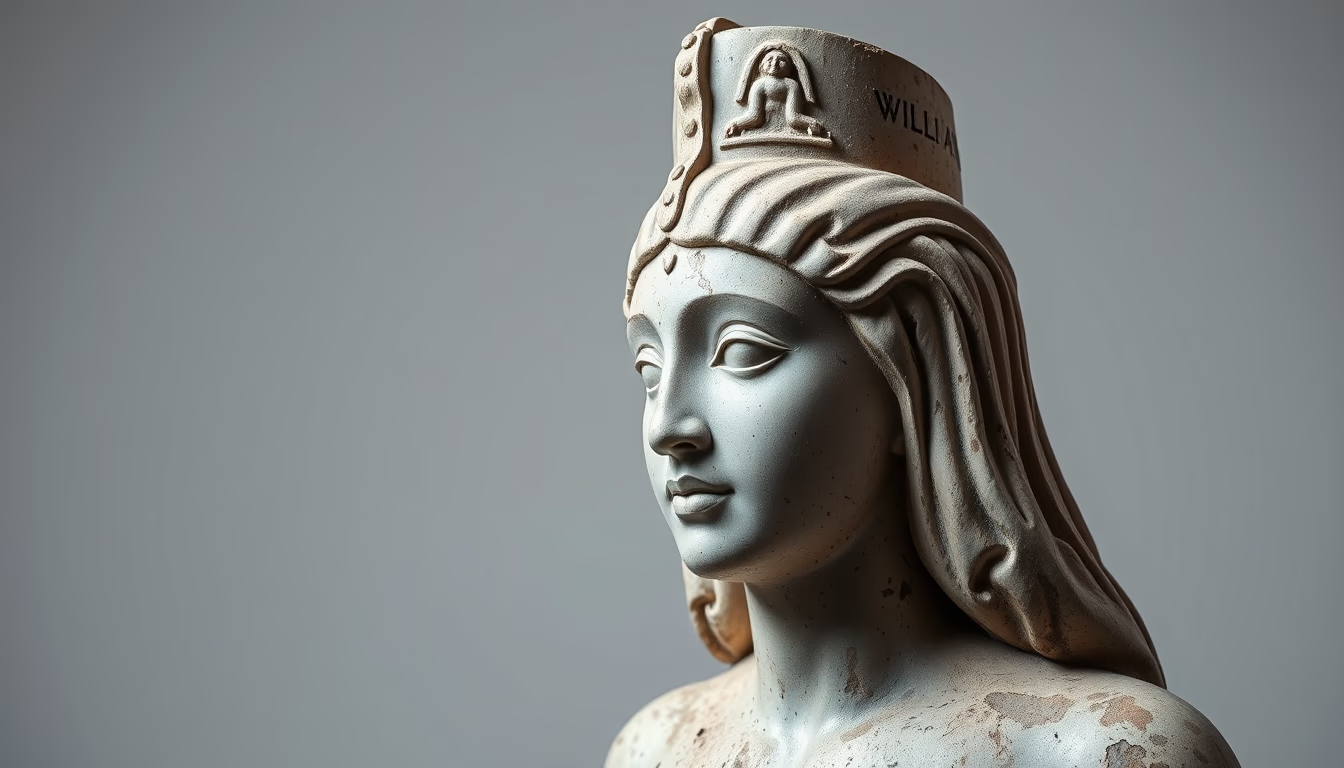
The Venus of Willendorf is a 11.1 cm Paleolithic figurine, a symbol of fertility and prehistoric art, discovered in Austria in 1908.
About this subject
The Venus of Willendorf is one of the most famous Upper Paleolithic figurines, carved from oolitic limestone about 25,000 to 30,000 years ago. Standing only 11.1 centimeters tall, the figure depicts a woman with large breasts, a protruding belly, wide hips, and detailed genitalia, while the arms and feet are only vaguely indicated. The head is covered with a pattern of braids or a cap, and the face lacks any features. It was discovered on August 7, 1908, by archaeologist Josef Szombathy in a loess deposit near the village of Willendorf in Lower Austria, during excavations for a railway station.
The figurine is widely interpreted as a fertility symbol, possibly associated with mother goddess cults or procreation rituals. Its exaggerated body may represent female power linked to the ability to give life and nurture. However, the lack of archaeological context leaves its specific use unknown. The absence of facial features and the emphasis on secondary sexual characteristics suggest it was not a portrait but a generic symbol of femininity.
The Venus of Willendorf has become a global icon of prehistoric art, reproduced in books, films, and even emojis. Its name references the Roman goddess Venus, but there is no evidence the figurine represented a specific deity. Currently housed at the Natural History Museum in Vienna, the piece continues to inspire debates about women's roles in prehistory, Paleolithic aesthetics, and the limits of archaeological interpretation.
Frequently Asked Questions
How old is the Venus of Willendorf?
The figurine dates to the Upper Paleolithic period, about 25,000 to 30,000 years ago.
Where was the Venus of Willendorf found?
It was discovered in 1908 in the village of Willendorf, Lower Austria, during excavations for a railway station.
Why is the figurine called 'Venus'?
The name references the Roman goddess of love and beauty, but there is no evidence that the figure represented an ancient deity.
Direct URL
https://pub-c7d6a6ea828543ac903a74a341ccb2e1.r2.dev/imagens/venus-willendorf-statue-studio-editorial-portrait-p4.avifHow to credit
Include a visible link back to UtilizAí. Copy one of the snippets below:
<a href="https://xn--utiliza-eza.com/en/midia/imagens/venus-willendorf-statue-studio-editorial-portrait-p4">Venus willendorf statue</a> by <a href="https://xn--utiliza-eza.com">UtilizAí</a>, licensed under <a href="https://creativecommons.org/licenses/by/4.0/">CC BY 4.0</a>.
[Venus willendorf statue](https://xn--utiliza-eza.com/en/midia/imagens/venus-willendorf-statue-studio-editorial-portrait-p4) by [UtilizAí](https://xn--utiliza-eza.com), CC BY 4.0
License: CC-BY-4.0