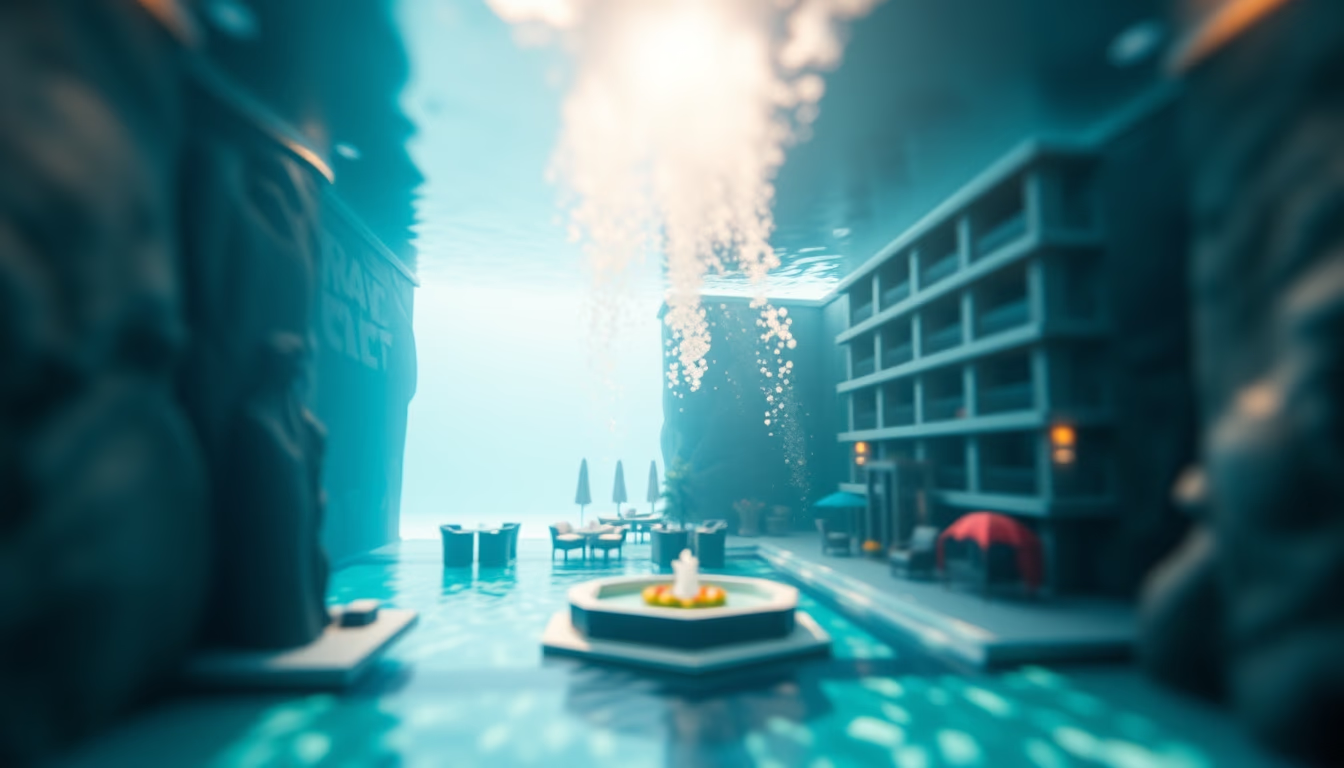
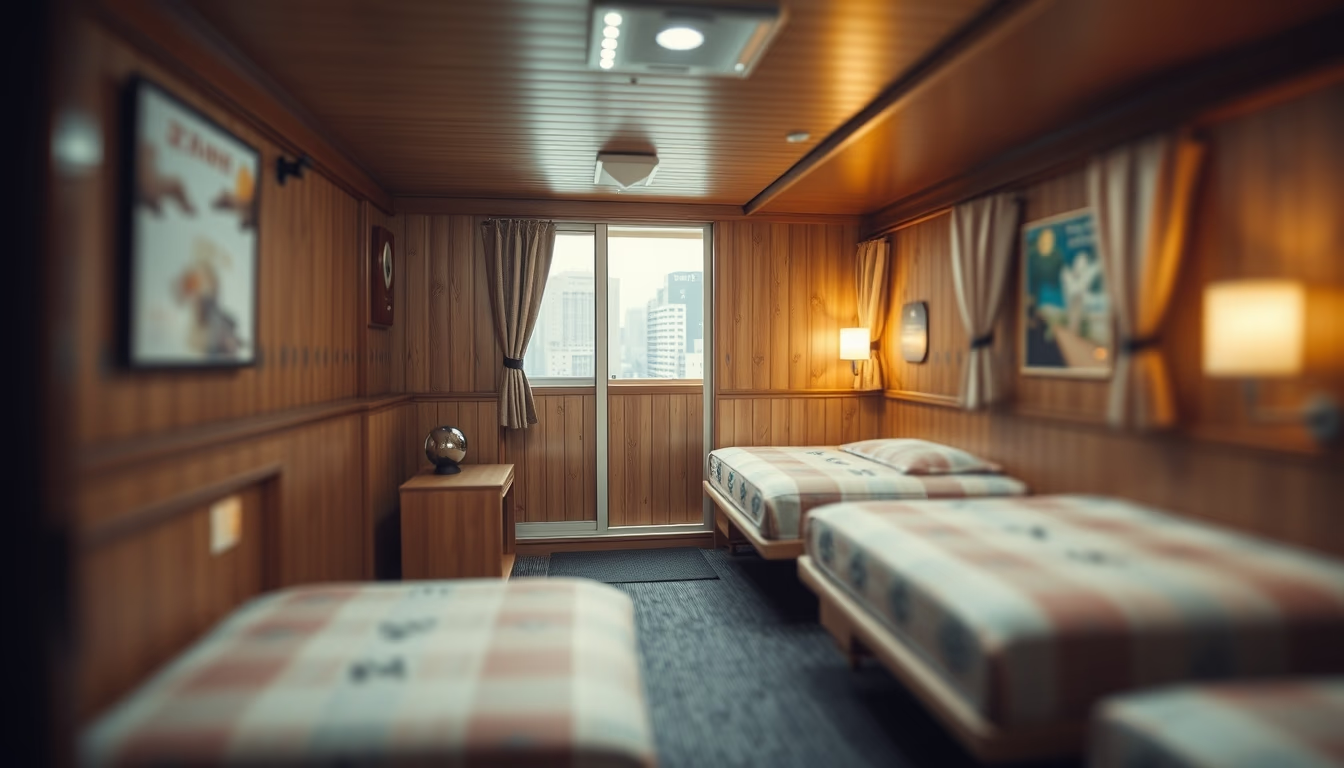
Underwater hotel concept
1344×768 · AVIF · CC BY 4.0
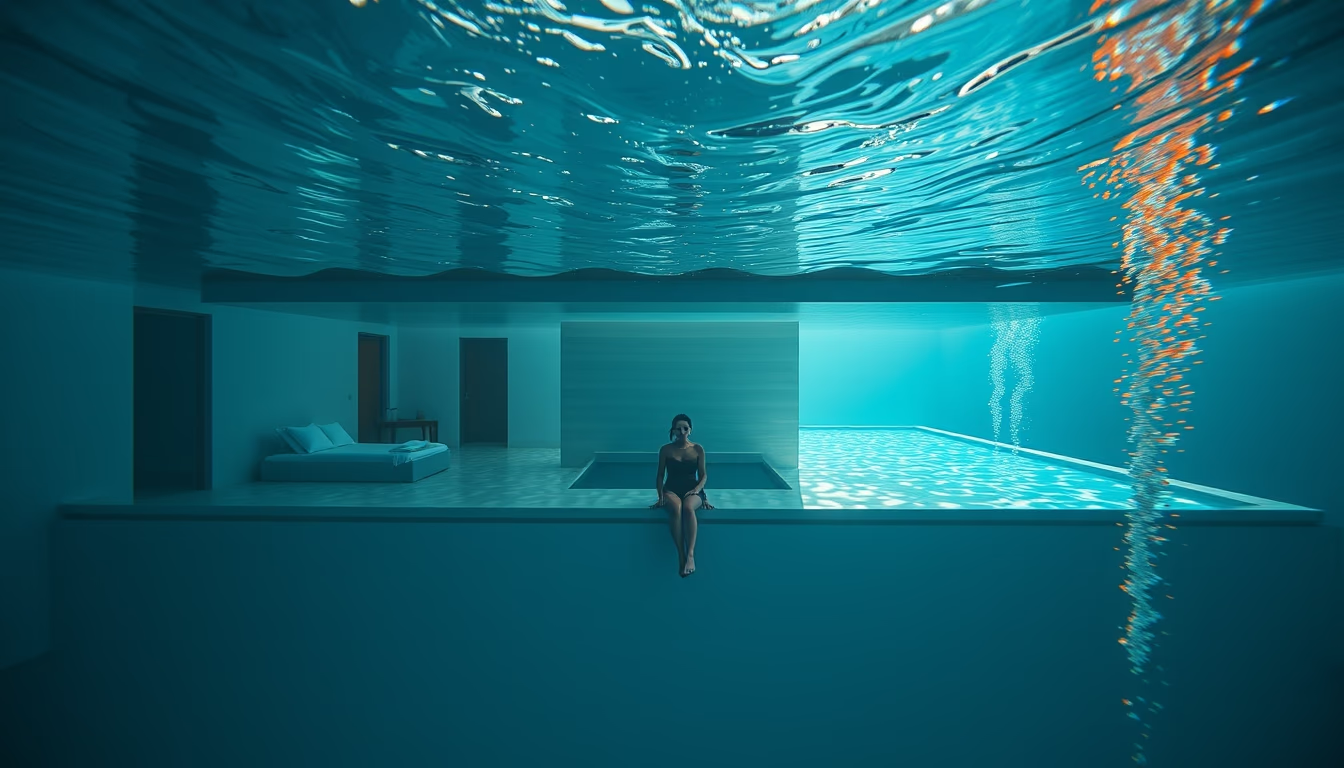
Underwater hotels combine advanced engineering and luxury tourism, offering immersive stays in reefs and oceans around the world.
About this subject
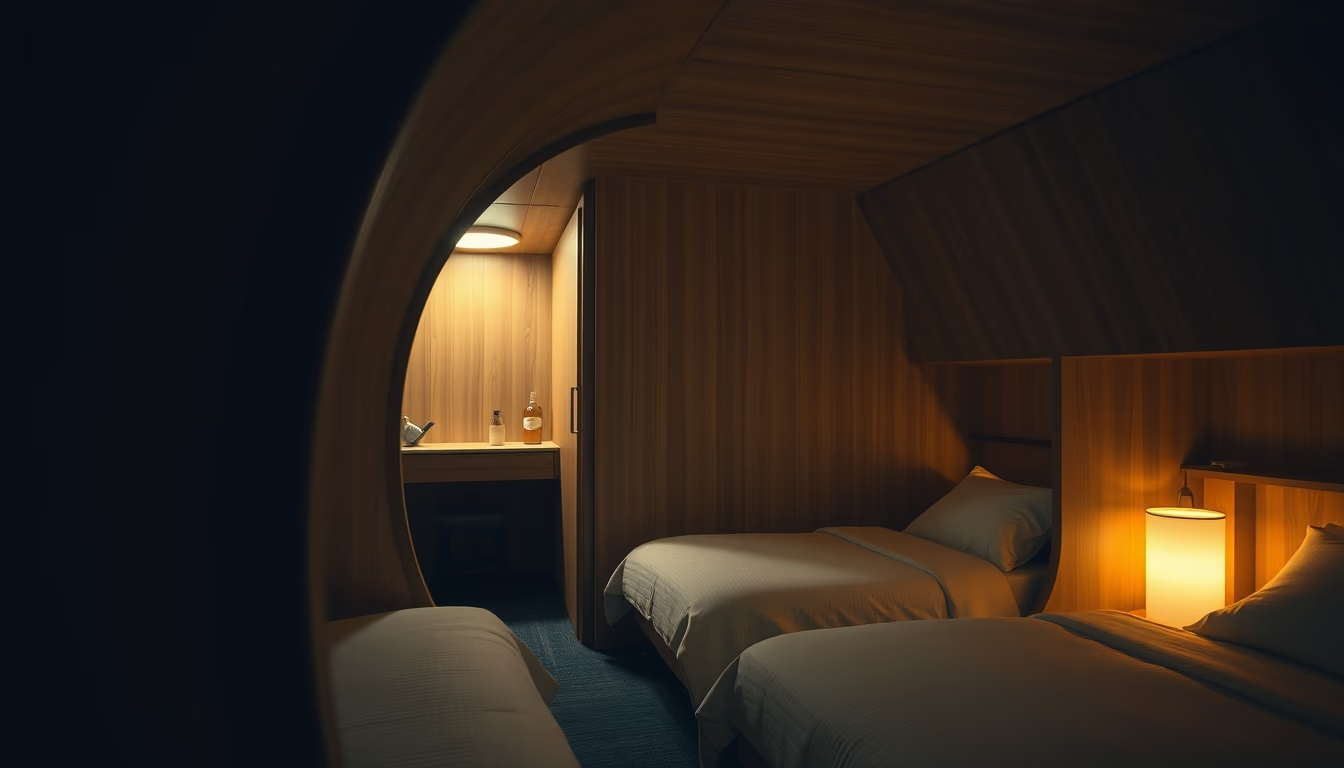
Underwater hotels are structures built partially or entirely below the sea surface, designed to provide guests with an immersive marine experience. The concept gained prominence in recent decades, with examples like The Muraka at Conrad Maldives Rangali Island, opened in 2018. Located 5 meters deep, it features suites with acrylic walls offering panoramic ocean views. Another landmark is Jules' Undersea Lodge in Florida, USA, dating back to 1986; originally a marine research laboratory, it was later converted into a hotel. Guests must scuba dive to access the accommodations, a common practice in underwater developments.
From a technical standpoint, constructing submersible hotels involves significant engineering challenges. Structures must withstand hydrostatic pressure, saltwater corrosion, and adverse weather. Life support systems include humidity and temperature control, air renewal, and leak safety. High-strength steel and thick acrylic glass are used to withstand depths up to 200 meters in more ambitious projects. Companies like Deep Ocean Technology and Water Discus Hotel propose modular designs with submersible discs that can be gradually lowered.
The tourist appeal lies in exclusivity and direct contact with marine life. Many resorts offer guided diving and fish feeding, as well as underwater restaurants. However, the cost is high: a night at The Muraka can exceed $7,000. Environmentally, there are concerns about construction impact on coral reefs. Newer projects aim to minimize damage using temporary anchoring systems or installing structures in already degraded areas, promoting ecosystem regeneration.
Historically, the idea of living underwater traces back to experimental submarine habitats of the 20th century, such as Jacques Cousteau's Conshelf I and II in the 1960s. Those bases were precursors to underwater hotels, blending scientific research with tourism. Today, the concept expands into futuristic projects like Fractal Island, which plans complete submerged cities with residences and shops. Despite costs and technical hurdles, demand for unique experiences keeps the segment growing, with new units expected in China and the United Arab Emirates.
Frequently Asked Questions
What was the first underwater hotel in the world?
Jules' Undersea Lodge in Florida, opened in 1986, is considered the first underwater hotel. Originally a marine research laboratory named La Chalupa, it was later converted into tourist accommodation.
How do guests enter an underwater hotel?
In most cases, guests must scuba dive to access the entrance, usually located a few meters deep. In some designs, like the Water Discus Hotel, a dry central shaft descends to the rooms.
How much does it cost to stay in an underwater hotel?
Prices are high due to exclusivity and operating costs. At The Muraka in the Maldives, one night can exceed $7,000, while Jules' Undersea Lodge offers packages from about $800 per person.
Direct URL
https://pub-c7d6a6ea828543ac903a74a341ccb2e1.r2.dev/imagens/underwater-hotel-concept-minimalist-composition-fresh4.avifHow to credit
Include a visible link back to UtilizAí. Copy one of the snippets below:
<a href="https://xn--utiliza-eza.com/en/midia/imagens/underwater-hotel-concept-minimalist-composition-fresh4">Underwater hotel concept</a> by <a href="https://xn--utiliza-eza.com">UtilizAí</a>, licensed under <a href="https://creativecommons.org/licenses/by/4.0/">CC BY 4.0</a>.
[Underwater hotel concept](https://xn--utiliza-eza.com/en/midia/imagens/underwater-hotel-concept-minimalist-composition-fresh4) by [UtilizAí](https://xn--utiliza-eza.com), CC BY 4.0
License: CC-BY-4.0