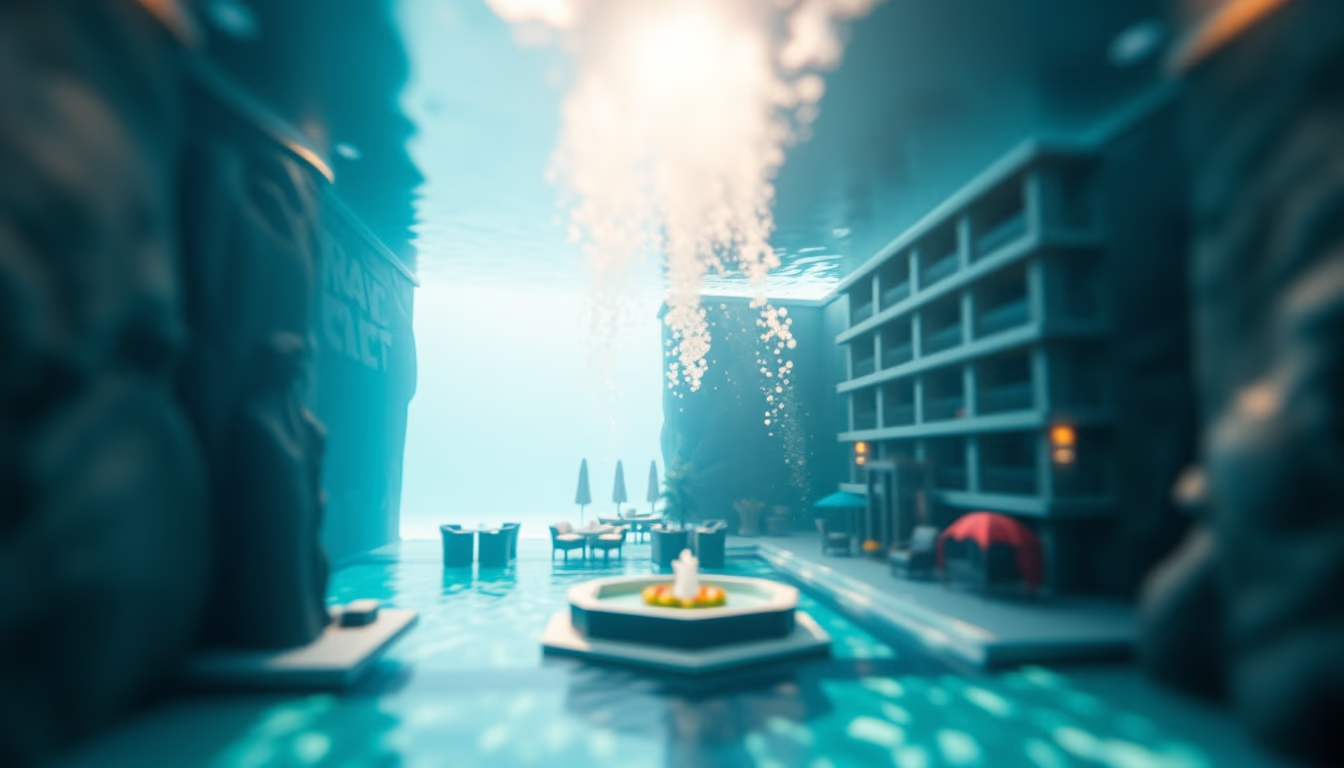
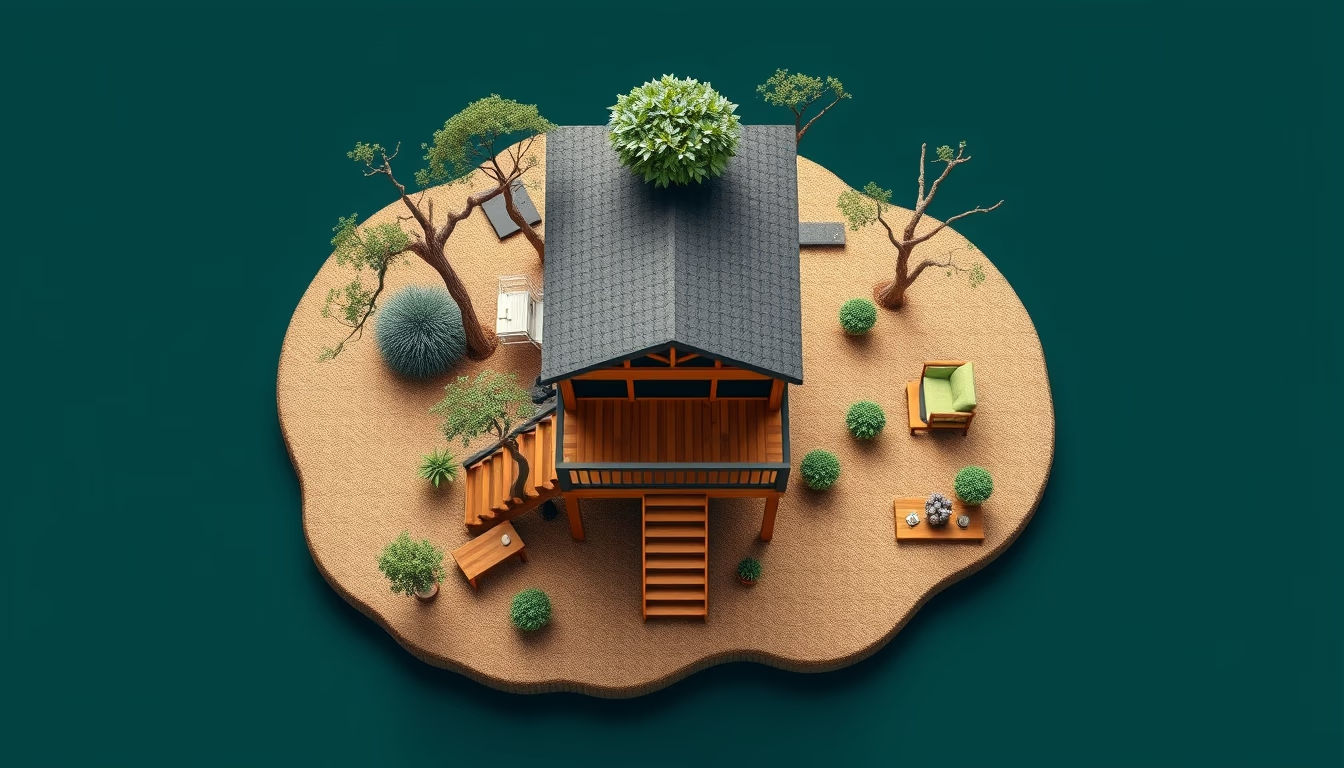
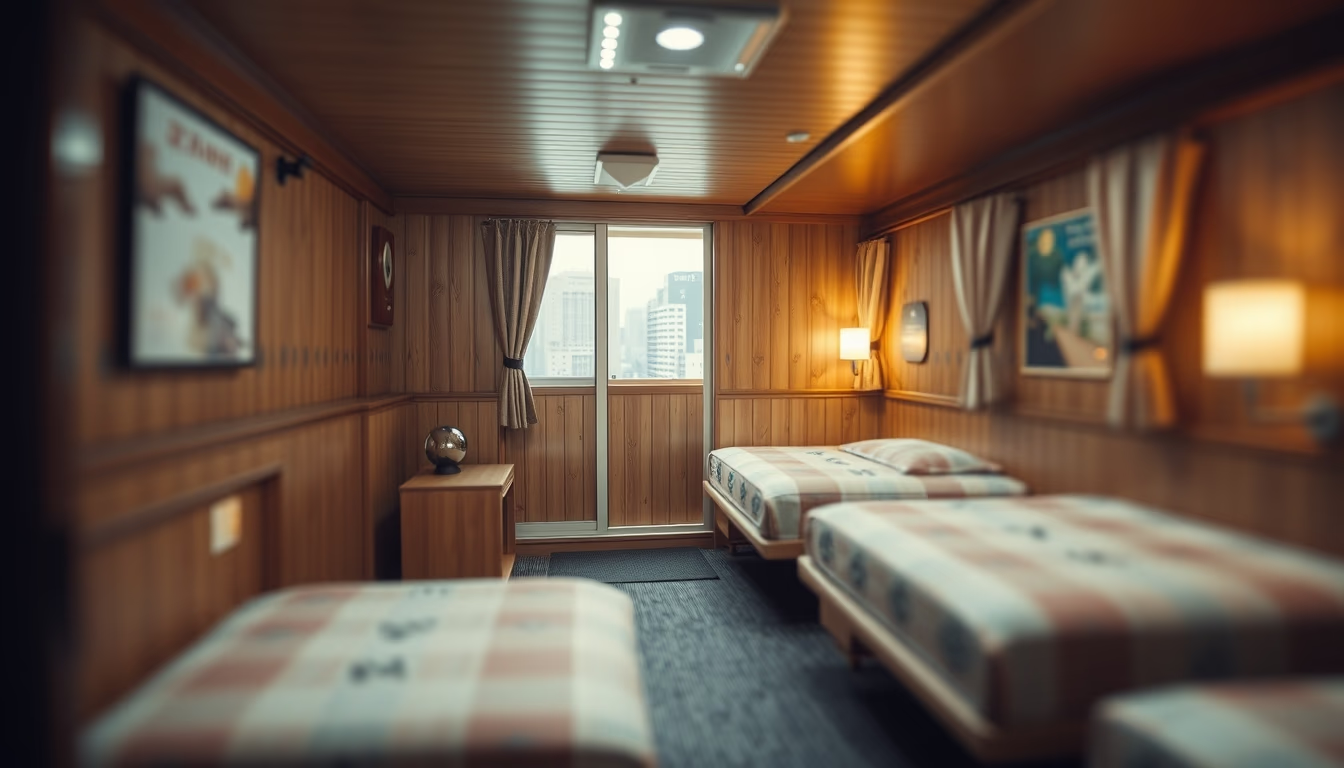
Underwater hotel concept
1344×768 · AVIF · CC BY 4.0
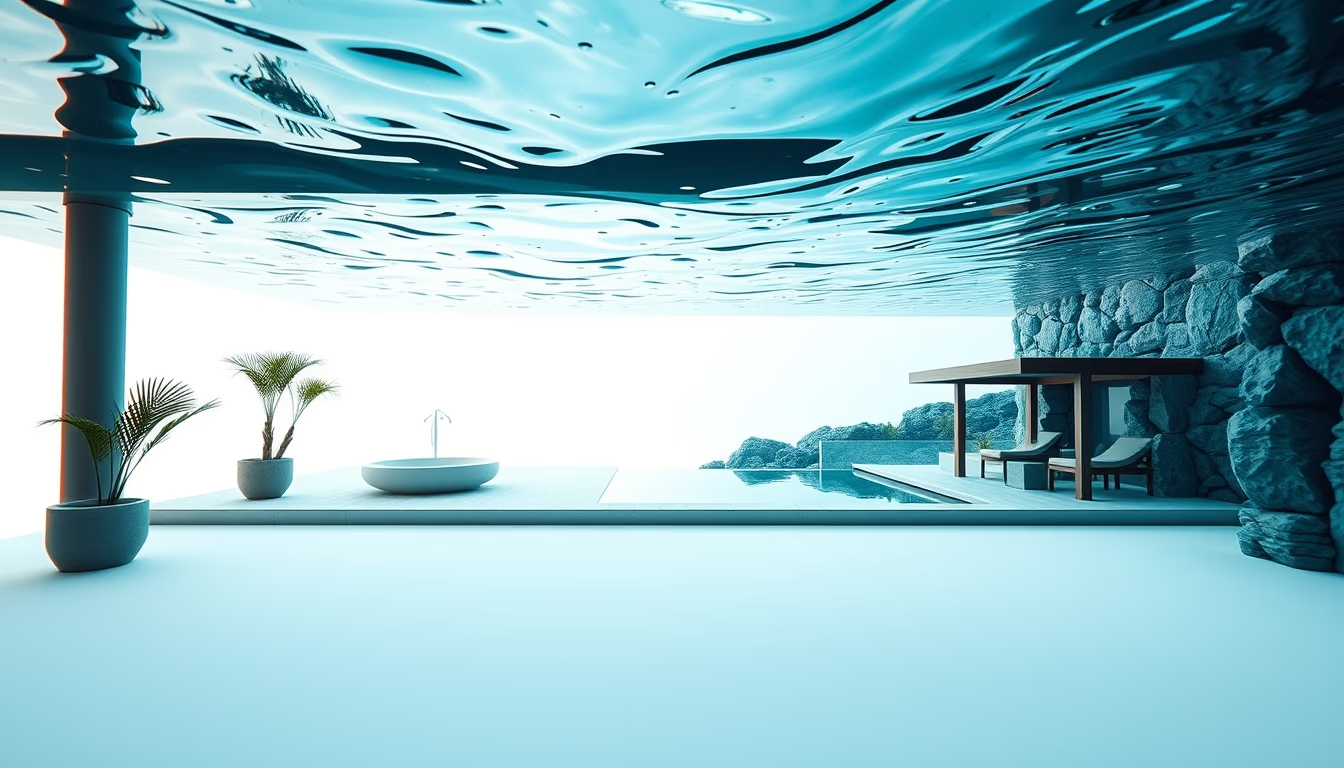
Explore the concept of underwater hotels, innovative structures combining marine engineering and luxury tourism to offer panoramic views of the seabed.
About this subject
Underwater hotels represent one of the boldest frontiers in hospitality architecture. Unlike simple aquariums, these structures are engineered to withstand ocean pressure, salt corrosion, and adverse weather while providing full comfort to guests. Real-world examples include the Conrad Maldives Rangali Island, which opened the world's first underwater restaurant in 2005 and later added submerged suites. Another notable case is the Manta Resort in Zanzibar, whose floating room features an open upper deck and a submerged chamber with glass walls, allowing observation of coral reefs at a depth of 4 meters.
The technical challenge is immense. Engineering must address water pressure, which increases by about 1 atm every 10 meters, requiring robust steel and special acrylic structures capable of supporting thousands of tons of force. Sealing is critical: joints and portals must be airtight, and life-support systems such as ventilation and desalination are redundant. Guest and staff transport is done via submerged elevators or watertight passages, while exterior lighting is carefully designed to avoid disturbing marine life.
Culturally, underwater hotels cater to a niche of luxury and adventure tourism, with nightly rates often exceeding US$ 5,000. They are also used as temporary marine research stations, offering direct access to the underwater ecosystem. Countries like the Maldives, Dubai (Atlantis The Palm), and France (with conceptual projects on the French Riviera) invest in such developments to attract travelers seeking exclusive experiences. However, debates persist over environmental impacts, such as alteration of local currents and stress on fauna, leading architects to adopt eco-friendly materials and anchor systems that do not damage reefs.
Interestingly, the concept of underwater habitation is not new: in the 1960s, Jacques Cousteau led the Conshelf project, which kept aquanauts living on the seabed for weeks. Modern underwater hotels inherit this legacy but focus on comfort and aesthetics. Some futuristic designs envision fully transparent modular structures that could be moved to different locations, adapting to seasonal marine life changes or conservation areas.
Frequently Asked Questions
How much does it cost to stay in an underwater hotel?
Rates at luxury underwater hotels like Conrad Maldives range from US$ 5,000 to over US$ 15,000 per night, depending on the suite and season. The price typically includes meals and activities such as diving.
How are underwater hotels built?
Construction is usually done in prefabricated modules on land or in dry docks, which are towed to the site and submerged. Steel and special concrete structures are anchored to the seabed, and glazed sections use thick acrylic capable of withstanding pressure.
Do these hotels harm the marine environment?
Potential impacts include current alteration and shading of reefs. However, modern designs use inert materials, renewable energy systems, and anchorages that avoid coral damage. Many hotels also fund marine conservation areas.
Direct URL
https://pub-c7d6a6ea828543ac903a74a341ccb2e1.r2.dev/imagens/underwater-hotel-concept-commercial-product-photography-fresh7.avifHow to credit
Include a visible link back to UtilizAí. Copy one of the snippets below:
<a href="https://xn--utiliza-eza.com/en/midia/imagens/underwater-hotel-concept-commercial-product-photography-fresh7">Underwater hotel concept</a> by <a href="https://xn--utiliza-eza.com">UtilizAí</a>, licensed under <a href="https://creativecommons.org/licenses/by/4.0/">CC BY 4.0</a>.
[Underwater hotel concept](https://xn--utiliza-eza.com/en/midia/imagens/underwater-hotel-concept-commercial-product-photography-fresh7) by [UtilizAí](https://xn--utiliza-eza.com), CC BY 4.0
License: CC-BY-4.0