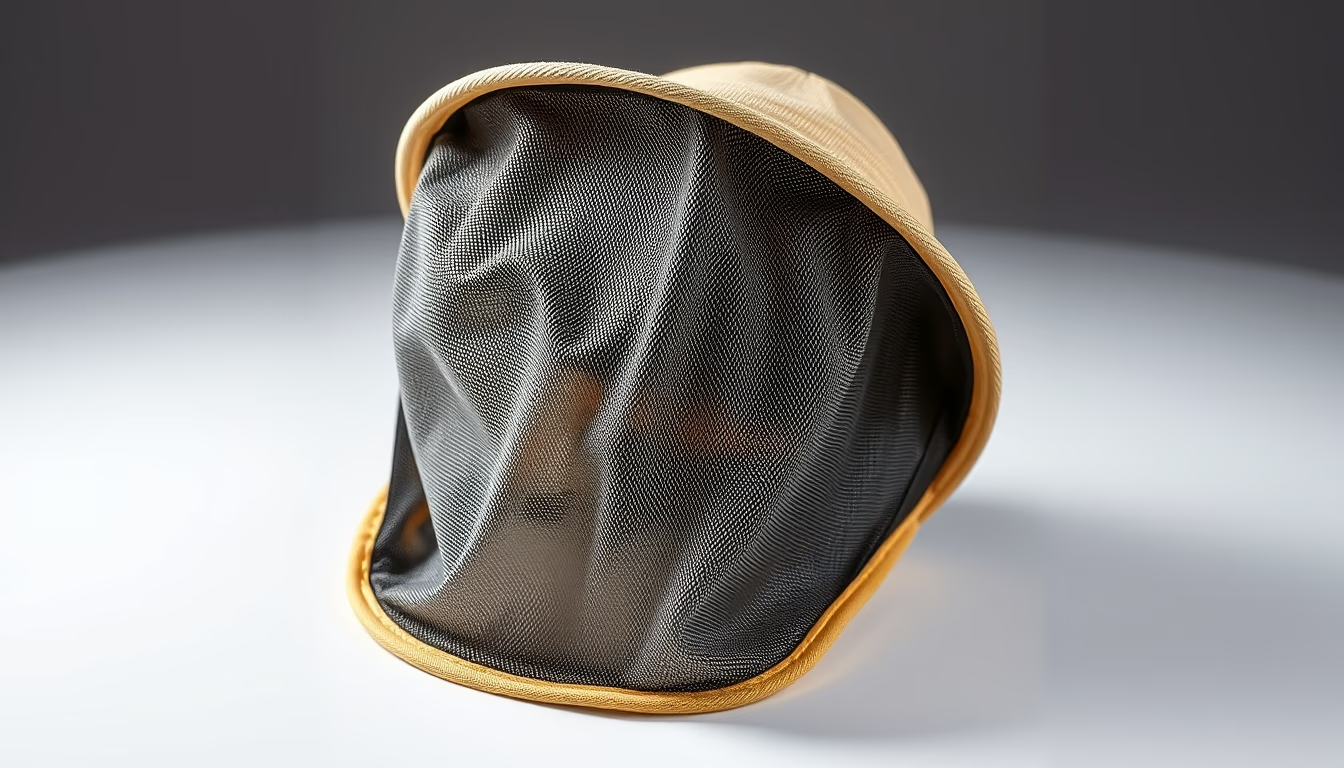
Underwater camera housing
1344×768 · AVIF · CC BY 4.0
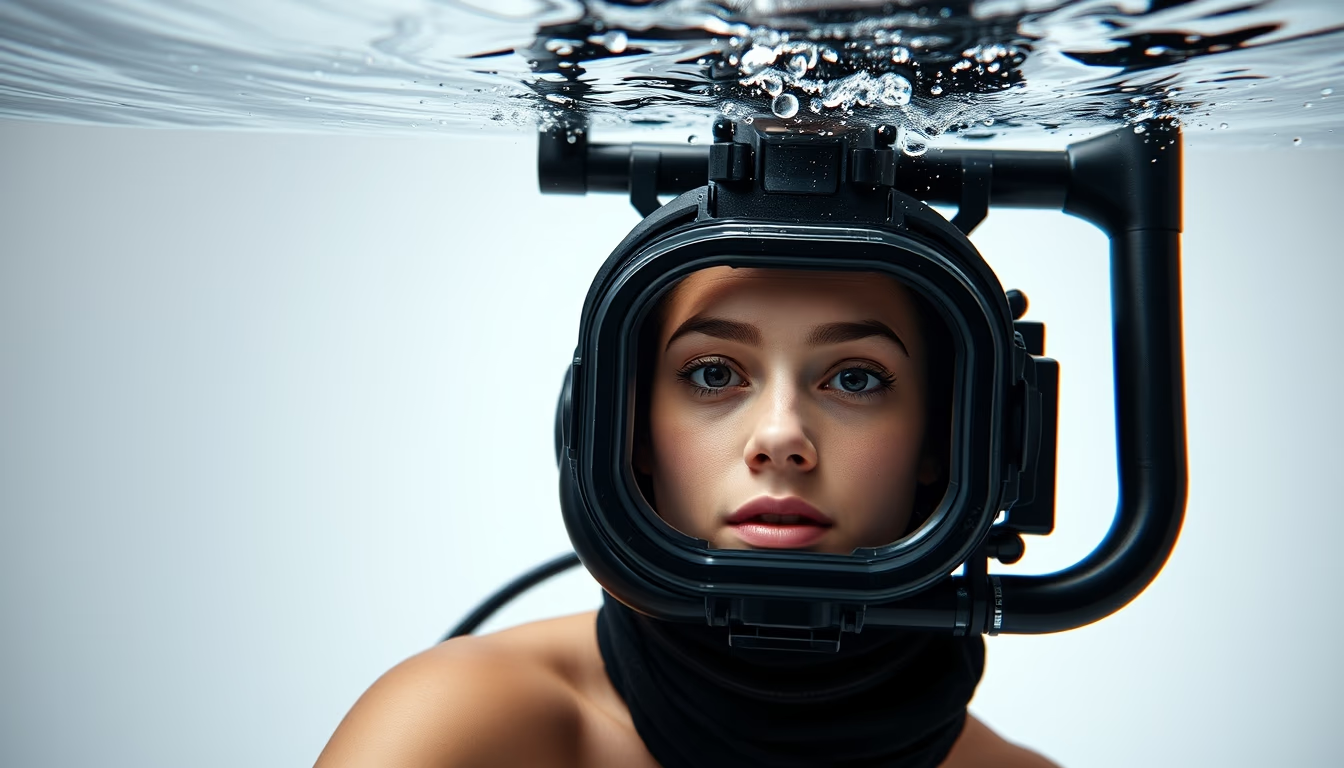
Underwater camera housing, essential equipment for taking photographs at depths up to 100 meters.
About this subject
An underwater camera housing is a waterproof enclosure designed to protect cameras during dives, enabling photography at depths from 10 to over 100 meters. Made from anodized aluminum, polycarbonate, or resin, these housings are tailored for specific camera models. Leading brands include Ikelite, Nauticam, Aquatica, and Seacam, each offering precise mechanical controls for focus, zoom, and shutter release.
The first underwater housings appeared in the 1950s when photographers modified metal cans and rubber seals to adapt film cameras. Modern housings feature flash connectors, optical viewfinders, and ergonomic grips, allowing full camera functionality underwater. Aluminum housings are heavier and preferred for scuba diving, while polycarbonate models are lighter and ideal for snorkeling.
Underwater housings are vital for scientific research, shipwreck documentation, and marine life cinematography. Scientists use them to record species behavior without disturbance. Regular maintenance, like replacing O-rings and cleaning seals, prevents leaks that could destroy expensive gear. In 2021, a DSLR housing reached a record depth of 305 meters in the Pacific Ocean.
Rental housing for compact cameras and smartphones has grown popular among tourists seeking underwater photos without a high investment. Compatibility with lenses, ports, and accessories must be verified, along with IPX8 or NBR IEC 60529 certification. Proper use compensates for light loss at depth, yielding sharp images and vibrant colors.
Frequently Asked Questions
What is the maximum depth an underwater housing can withstand?
Depths vary by model and material. Polycarbonate housings typically withstand up to 40 meters, while aluminum ones can reach 100 meters or more, depending on certification.
How do I choose a housing for my camera?
Check compatibility with your exact camera model, material (aluminum for deep diving, polycarbonate for casual use), and availability of controls for functions like zoom and flash.
Does an underwater housing require maintenance?
Yes. O-rings must be lubricated and replaced periodically, and the seal should be inspected before each dive to prevent leaks.
Direct URL
https://pub-c7d6a6ea828543ac903a74a341ccb2e1.r2.dev/imagens/underwater-camera-housing-studio-editorial-portrait-fresh2.avifHow to credit
Include a visible link back to UtilizAí. Copy one of the snippets below:
<a href="https://xn--utiliza-eza.com/en/midia/imagens/underwater-camera-housing-studio-editorial-portrait-fresh2">Underwater camera housing</a> by <a href="https://xn--utiliza-eza.com">UtilizAí</a>, licensed under <a href="https://creativecommons.org/licenses/by/4.0/">CC BY 4.0</a>.
[Underwater camera housing](https://xn--utiliza-eza.com/en/midia/imagens/underwater-camera-housing-studio-editorial-portrait-fresh2) by [UtilizAí](https://xn--utiliza-eza.com), CC BY 4.0
License: CC-BY-4.0