Underwater camera housing
1344×768 · AVIF · CC BY 4.0
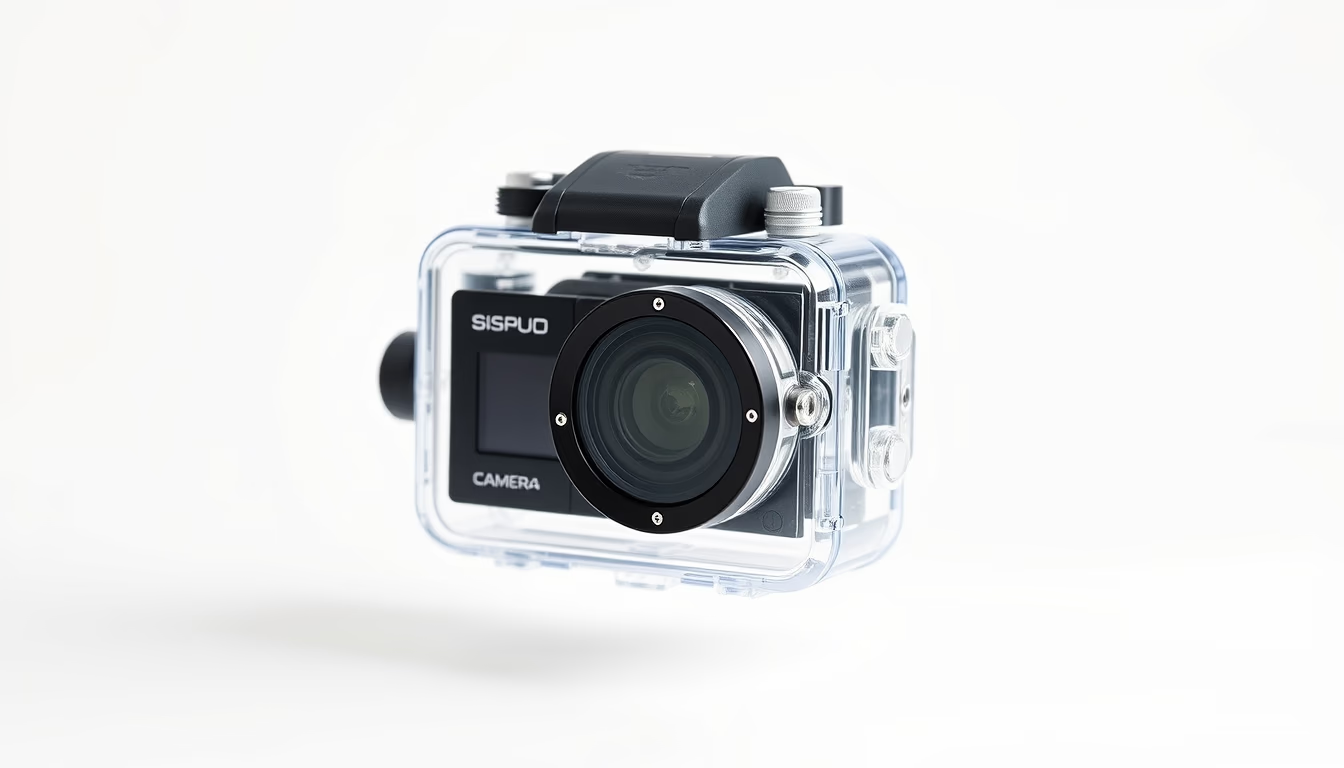
An underwater camera housing is a waterproof enclosure that allows photography and videography beneath the surface, vital for divers and marine researchers.
About this subject
An underwater camera housing is a waterproof enclosure designed to protect cameras in aquatic environments, enabling image capture at depths exceeding 100 meters. It is typically made from anodized aluminum, polycarbonate, or stainless steel, materials that resist corrosion and water pressure. Advanced models feature external controls that replicate camera functions through rubber seals and mechanical rods, ensuring precise adjustments underwater.
The history of underwater housings dates back to the 1950s, when divers and scientists began adapting cameras in handcrafted waterproof boxes. The development of O-rings revolutionized sealing, and brands like Ikelite (founded in 1962) and Nauticam popularized polycarbonate and aluminum housings, respectively. Today, housings are used in scientific expeditions, films like BBC's "Blue Planet," and even adapted smartphone cases for recreational diving.
Choosing a housing depends on the camera: compact models for point-and-shoot cameras and dedicated housings for DSLR or mirrorless cameras, which require interchangeable lens ports. Maximum depth is a critical factor, ranging from 40 meters (leisure models) to over 300 meters (professional titanium housings). Proper maintenance includes rinsing with fresh water after saltwater use and periodic lubrication of O-rings with silicone grease.
Interestingly, the largest housing ever built was for an IMAX camera, weighing over 100 kg and capable of operating at 10,000 meters depth. For recreational divers, compact polycarbonate housings are lightweight and affordable, while underwater photography professionals prefer aluminum for its durability and rigidity. Regardless of type, all rely on reliable seals and designs that prevent internal condensation, common during sudden temperature changes.
Frequently Asked Questions
What is the maximum depth an underwater housing can withstand?
Depth varies by model and material. Recreational housings typically handle up to 40 meters, while professional aluminum or titanium housings reach over 300 meters. Special IMAX housings operate at 10,000 meters.
What materials are used to make underwater camera housings?
Common materials include polycarbonate (lightweight and affordable), anodized aluminum (durable and rigid), and stainless steel or titanium (for extreme depths). Each offers a trade-off between weight, durability, and cost.
Do I need a special lens for an underwater housing?
Not necessarily. Compact camera housings use the built-in lens. For DSLR/mirrorless, a front port system adapts to different lenses; wide-angle or macro lenses are popular to counteract water's magnification effect.
Direct URL
https://pub-c7d6a6ea828543ac903a74a341ccb2e1.r2.dev/imagens/underwater-camera-housing-commercial-product-photography-fresh8.avifHow to credit
Include a visible link back to UtilizAí. Copy one of the snippets below:
<a href="https://xn--utiliza-eza.com/en/midia/imagens/underwater-camera-housing-commercial-product-photography-fresh8">Underwater camera housing</a> by <a href="https://xn--utiliza-eza.com">UtilizAí</a>, licensed under <a href="https://creativecommons.org/licenses/by/4.0/">CC BY 4.0</a>.
[Underwater camera housing](https://xn--utiliza-eza.com/en/midia/imagens/underwater-camera-housing-commercial-product-photography-fresh8) by [UtilizAí](https://xn--utiliza-eza.com), CC BY 4.0
License: CC-BY-4.0