Tutu pink delicate
1344×768 · AVIF · CC BY 4.0
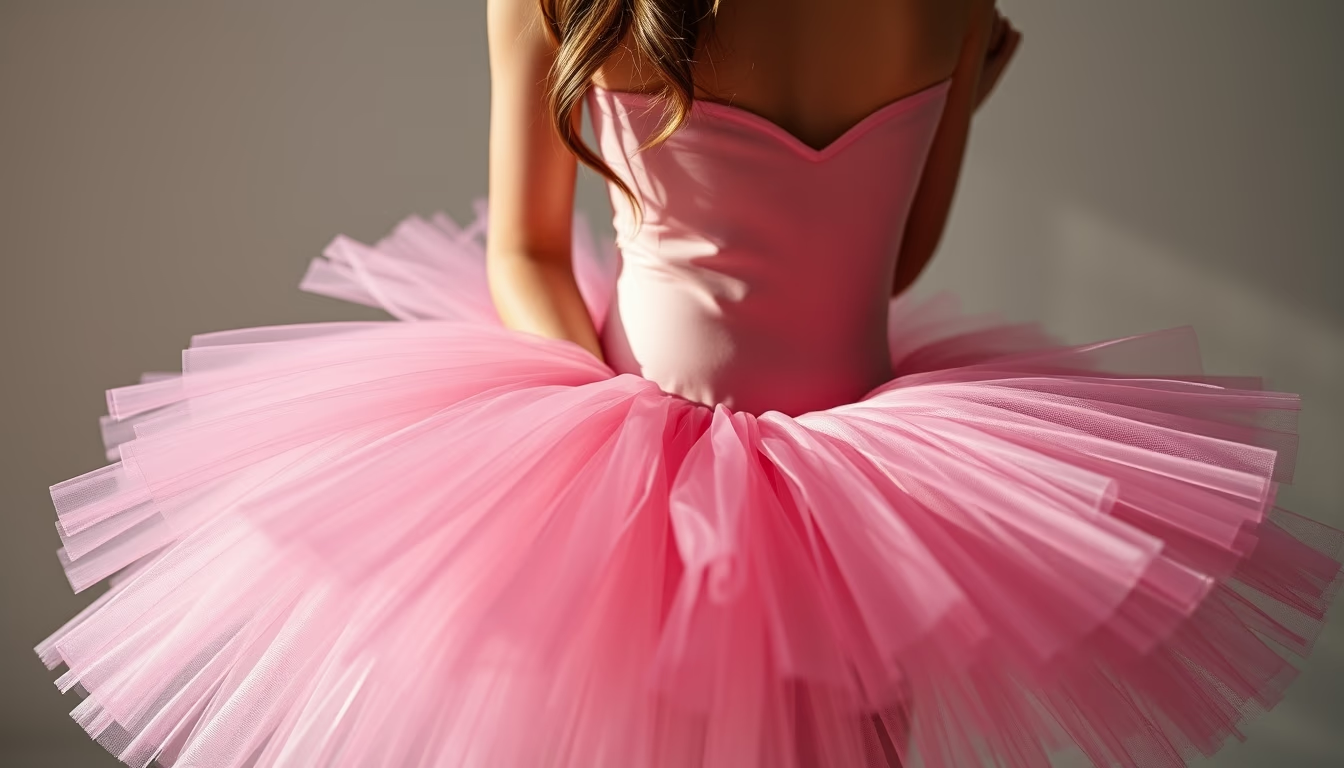
The delicate pink tutu is an iconic piece of classical ballet, symbolizing grace and technique, used in performances of repertoire like Swan Lake.
About this subject
The tutu, a fundamental piece of classical ballet attire, emerged in the 19th century alongside the evolution of dance techniques. Originally, skirts were long and bell-shaped, but over time, to allow greater freedom of movement and to showcase the complexity of steps, tutus were shortened and stiffened with multiple layers of tulle. The color pink, traditionally associated with romanticism and femininity, is often used for characters like sylphs or fairies. The 'delicate' model refers to a tutu with fine, light layers, common in corps de ballet performances that demand lightness and precision.
In Brazil, the use of the pink tutu is widespread in dance schools and professional companies, such as the Theatro Municipal do Rio de Janeiro and Balé da Cidade de São Paulo. The influence of European ballet, especially French and Russian, has shaped the techniques and attire adopted in the country. The tutu, besides being aesthetic, is functional: its structure with hoops or multiple tulle layers keeps the skirt rigid, allowing dancers to execute pirouettes and jumps without fabric hindering their movements.
Interestingly, the tutu underwent transformations over the centuries. In the 20th century, designers like Christian Lacroix and Karl Lagerfeld created contemporary versions for modern ballet productions. The color pink, in particular, gained prominence with the piece 'Les Sylphides' (1909) and remains a classic choice in international repertoire performances. The delicacy of the pink tutu also evokes the ephemeral nature of dance art, where each performance is unique and unrepeatable.
Frequently Asked Questions
What is the origin of the tutu in ballet?
The tutu emerged in the 19th century, initially as a long skirt called the 'romantic tutu'. As ballet technique evolved, it was shortened to the 'classical tutu', allowing better visibility of the feet and movements.
Why is the tutu often pink?
Pink is associated with femininity and romanticism, used for roles like fairies and sylphs. The tradition was cemented by ballets such as 'Les Sylphides' and remains strong in classical productions.
Is the pink tutu used only in classical ballet?
Although predominant in classical ballet, the pink tutu also appears in contemporary productions and even in modern dance pieces that reference traditional aesthetics.
Direct URL
https://pub-c7d6a6ea828543ac903a74a341ccb2e1.r2.dev/imagens/tutu-pink-delicate-magazine-editorial-fresh14.avifHow to credit
Include a visible link back to UtilizAí. Copy one of the snippets below:
<a href="https://xn--utiliza-eza.com/en/midia/imagens/tutu-pink-delicate-magazine-editorial-fresh14">Tutu pink delicate</a> by <a href="https://xn--utiliza-eza.com">UtilizAí</a>, licensed under <a href="https://creativecommons.org/licenses/by/4.0/">CC BY 4.0</a>.
[Tutu pink delicate](https://xn--utiliza-eza.com/en/midia/imagens/tutu-pink-delicate-magazine-editorial-fresh14) by [UtilizAí](https://xn--utiliza-eza.com), CC BY 4.0
License: CC-BY-4.0