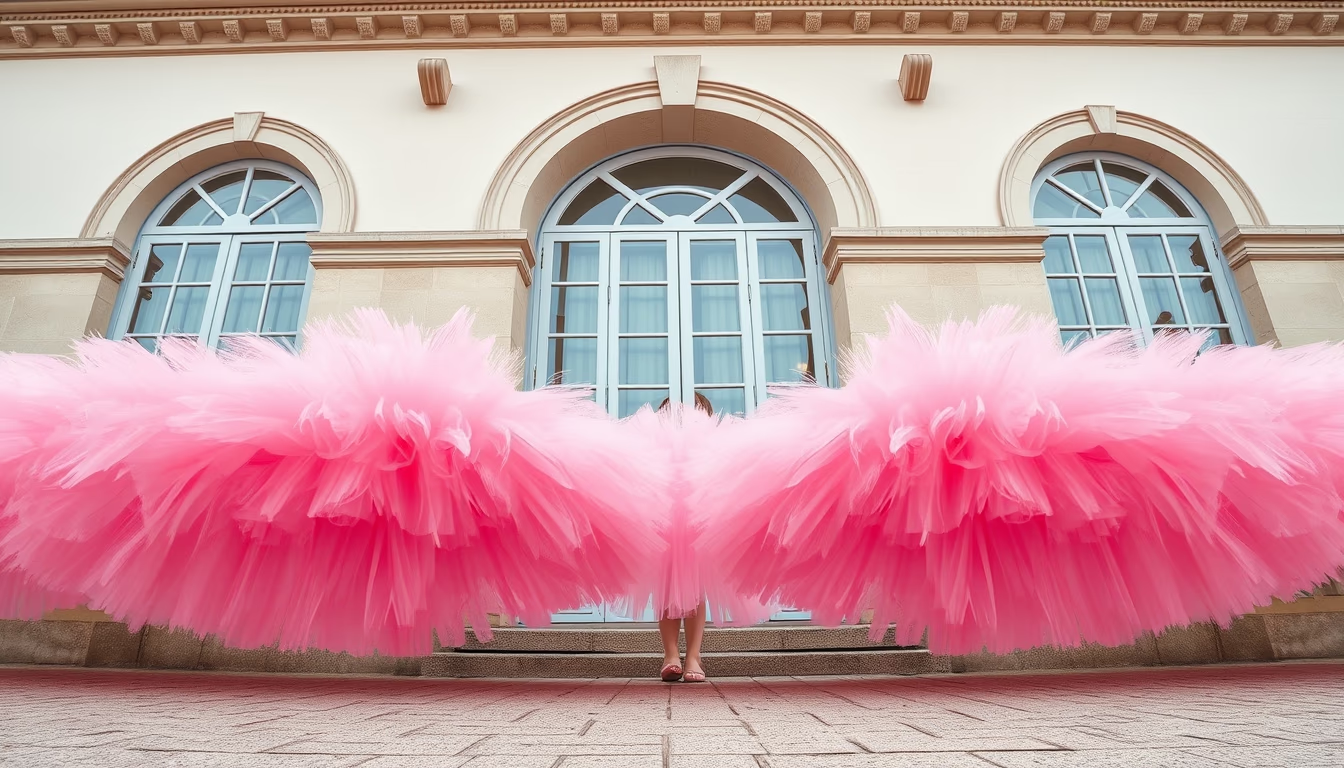
Tutu pink delicate
1344×768 · AVIF · CC BY 4.0
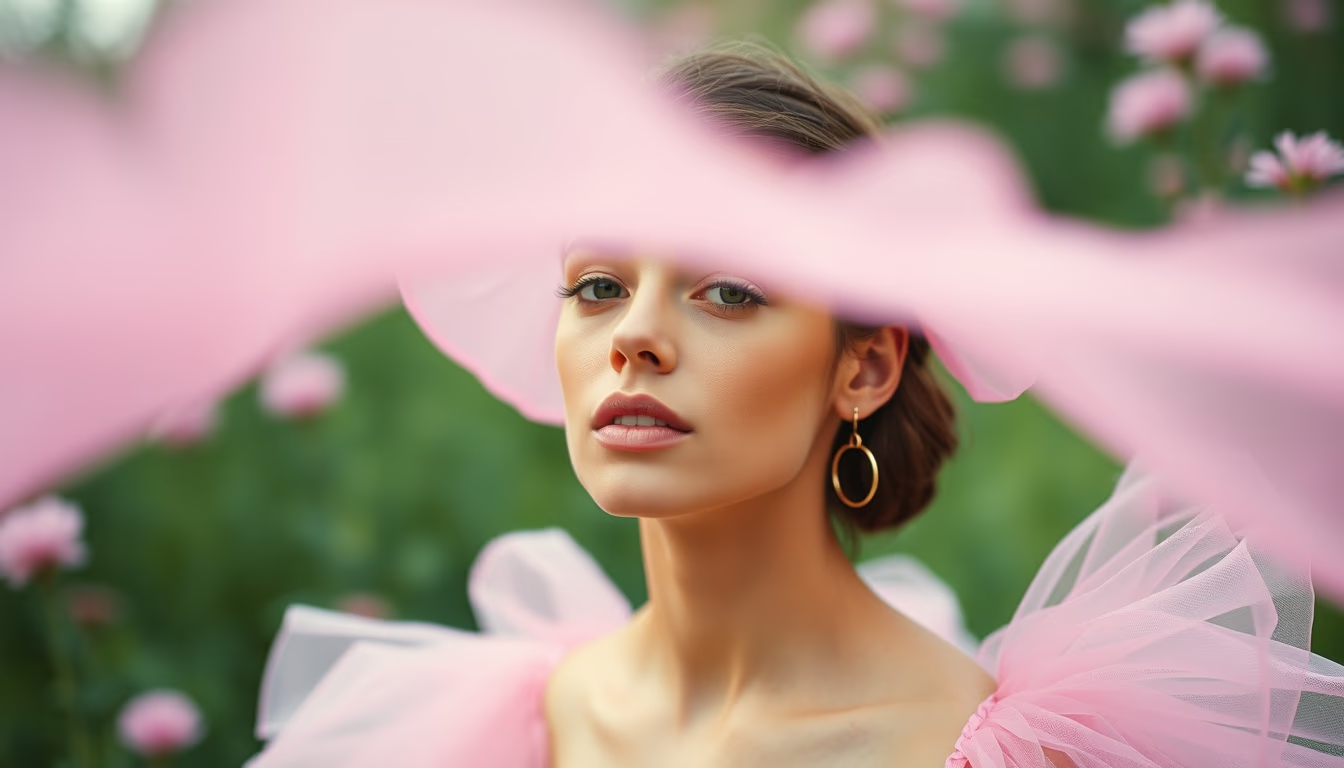
The pink delicate tutu is an icon of ballet, combining lightness and technical precision in its handmade construction.
About this subject
The tutu, a central piece in classical ballet costumes, originated in the 19th century during the Romantic period. The pink delicate variation emphasizes femininity and lightness, often worn by soloists and principal dancers. Its multiple layers of tulle are built with overlapping fine fabric, supported by steel hoops or crinoline, allowing the ballerina to perform wide movements without losing the defined silhouette.
The color pink is not merely aesthetic: in ballet, it symbolizes youth and innocence, commonly seen in roles like the Sugar Plum Fairy from 'The Nutcracker' or princess variations. The fabric's delicacy requires specific storage and cleaning care, as tulle can easily crease or tear. Each tutu is custom-made for the dancer, using about 10 to 15 meters of fabric, and can take up to 120 hours of manual sewing and shaping.
Historically, the tutu evolved from the romantic style (long and flowing) to the classical (shorter and stiffer), granting greater freedom of movement. The pink delicate version represents a modern adaptation, balancing tradition with the need for comfort and durability during intense performances. Ballet schools like the Bolshoi Theater and the Royal Ballet have dedicated ateliers for crafting these pieces, preserving centuries-old techniques.
Frequently Asked Questions
How did the tutu originate in classical ballet?
The tutu emerged in the 19th century during the Romantic ballet period, with dancer Marie Taglioni in 1832 for the ballet 'La Sylphide', wearing a long tulle skirt that allowed airborne movements.
Why is the pink tutu so significant?
Pink in ballet evokes innocence and femininity, colors often associated with youthful and romantic roles like the Sugar Plum Fairy. The fabric's delicacy and color demand meticulous handmade crafting.
How many layers of tulle does a classical tutu have?
A classical tutu can have between 10 and 15 layers of tulle, each about 3 to 4 meters of fabric, supported by hoops to maintain its characteristic shape.
Direct URL
https://pub-c7d6a6ea828543ac903a74a341ccb2e1.r2.dev/imagens/tutu-pink-delicate-lo-fi-disposable-camera-fresh0.avifHow to credit
Include a visible link back to UtilizAí. Copy one of the snippets below:
<a href="https://xn--utiliza-eza.com/en/midia/imagens/tutu-pink-delicate-lo-fi-disposable-camera-fresh0">Tutu pink delicate</a> by <a href="https://xn--utiliza-eza.com">UtilizAí</a>, licensed under <a href="https://creativecommons.org/licenses/by/4.0/">CC BY 4.0</a>.
[Tutu pink delicate](https://xn--utiliza-eza.com/en/midia/imagens/tutu-pink-delicate-lo-fi-disposable-camera-fresh0) by [UtilizAí](https://xn--utiliza-eza.com), CC BY 4.0
License: CC-BY-4.0