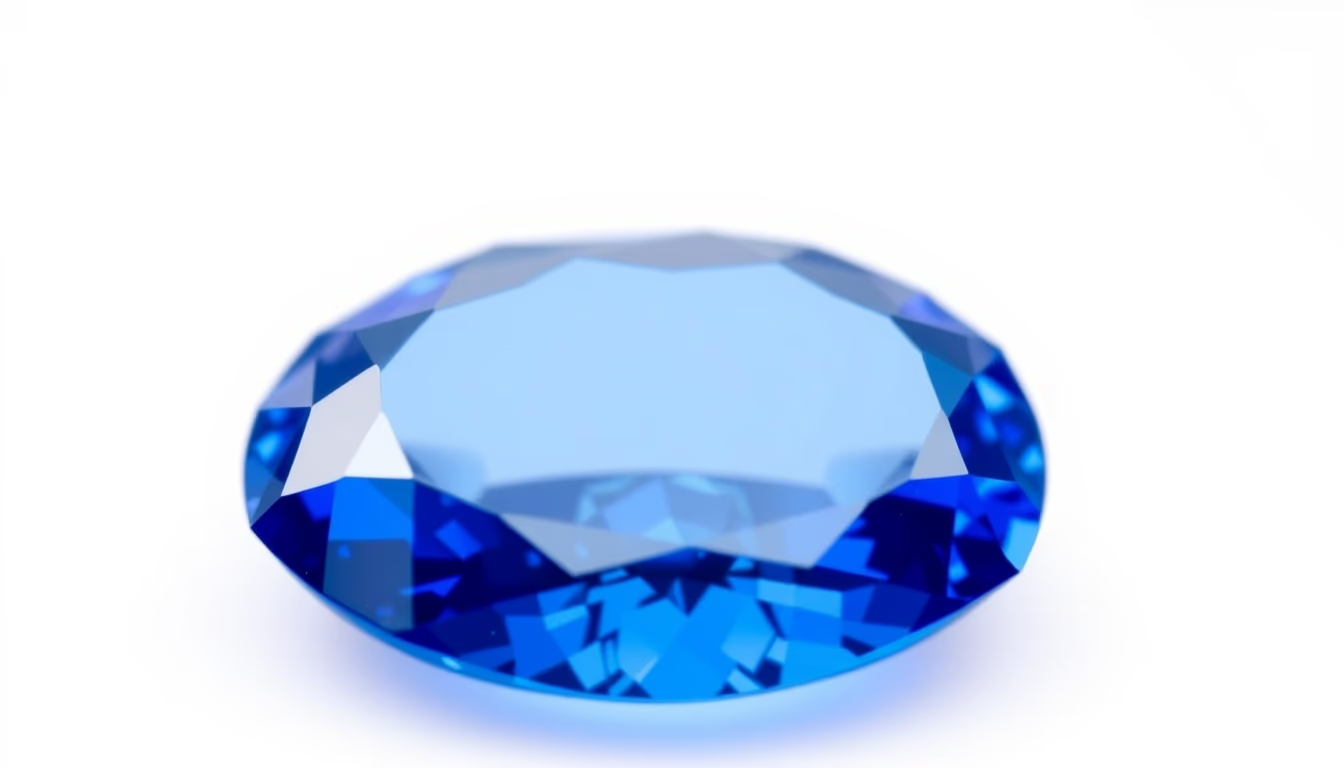
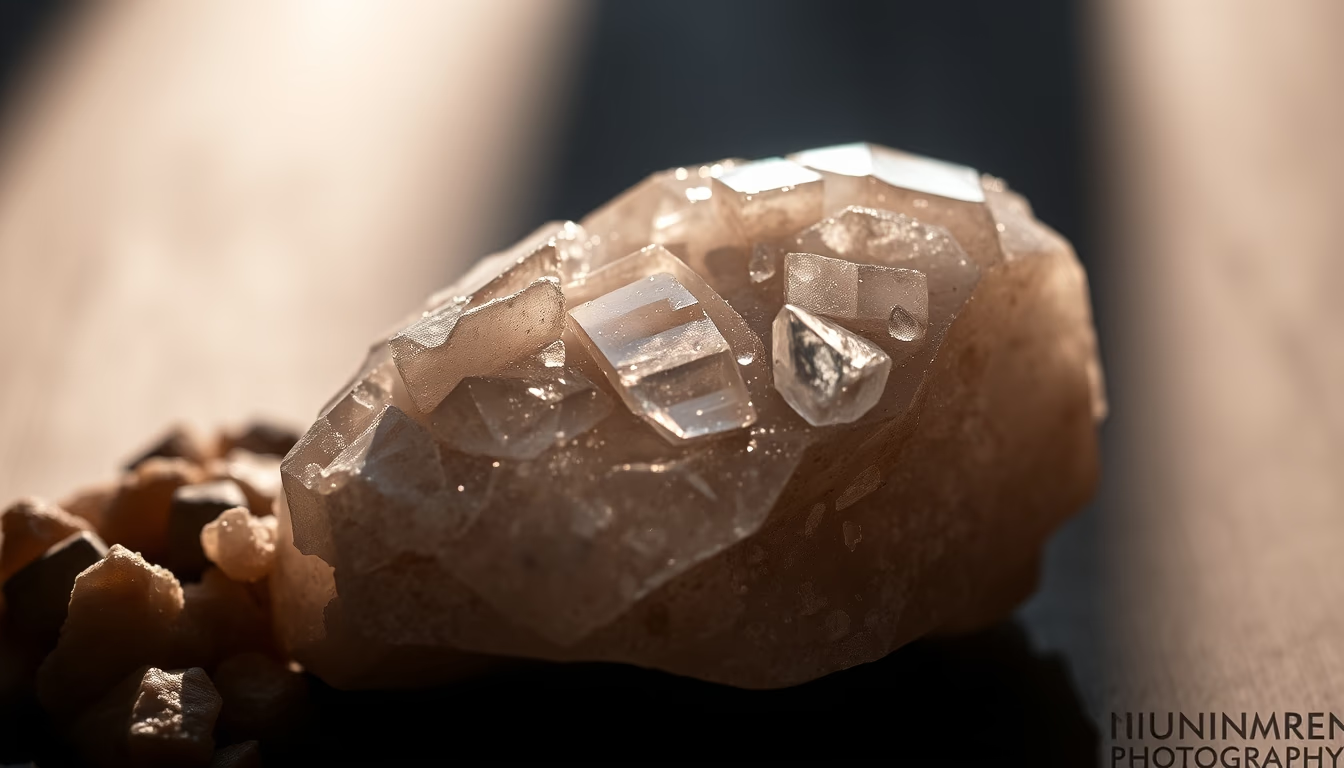
Turquoise polished
1344×768 · AVIF · CC BY 4.0

Polished turquoise, a blue-green gemstone, is a copper aluminum phosphate valued since ancient times for its unique color.
About this subject
Turquoise is an opaque mineral composed of hydrated copper aluminum phosphate, with a color ranging from sky blue to apple green, depending on the copper-to-iron ratio. It forms in veins and cavities of igneous or sedimentary rocks in arid environments, where copper-rich groundwater reacts with aluminum and phosphorus. The most famous deposits are in Iran (ancient Persia), which yields intensely blue turquoise, and the southwestern United States, especially Arizona and New Mexico, where the gem has been mined by Native American tribes for millennia. Brazil has occurrences in Bahia, Goiás, and Piauí, though production is modest compared to global output.
Historically, turquoise is one of the oldest gemstones used in jewelry and amulets. Egyptians mined it in Sinai as early as 4000 BCE, and the Aztecs used it in mosaics and ritual masks. Persians believed the stone protected against the evil eye, while Native American shamans employed it in healing ceremonies. Its popularity persists in contemporary jewelry, particularly in silver pieces from northeastern Brazil and Southwestern-style designs.
On the Mohs scale, turquoise has a hardness of 5 to 6, making it relatively soft and porous. As a result, natural gems are often treated with resin or wax to improve color and durability. It is important to avoid contact with chemicals, perfumes, and excessive heat, which can discolor or damage the stone. Stabilized turquoise, treated with polymers, is common in the market, but untreated or minimally treated stones are more valued by collectors.
A curious fact: the word “turquoise” comes from the French “pierre turquoise,” meaning “Turkish stone,” because Persian gems reached Europe through trade with the Ottoman Empire. In Brazil, the gem is also known as “calaita” or “pedra da felicidade” (stone of happiness) and is associated with the throat chakra, promoting communication and emotional balance.
Frequently Asked Questions
What is polished turquoise?
Polished turquoise is a natural gemstone, a copper aluminum phosphate, cut and polished to enhance its blue-green color. It is used in jewelry and ornamental objects.
Where is turquoise found?
Major deposits are in Iran, the United States (Arizona, New Mexico), China, Mexico, and Brazil. In Brazil, occurrences are in Bahia, Goiás, and Piauí.
How should turquoise jewelry be cared for?
Avoid contact with chemicals, perfumes, sweat, and excessive heat. Clean with a damp cloth and store separately to prevent scratches. Resin-treated stones require extra care.
Direct URL
https://pub-c7d6a6ea828543ac903a74a341ccb2e1.r2.dev/imagens/turquoise-polished-studio-still-life-p9.avifHow to credit
Include a visible link back to UtilizAí. Copy one of the snippets below:
<a href="https://xn--utiliza-eza.com/en/midia/imagens/turquoise-polished-studio-still-life-p9">Turquoise polished</a> by <a href="https://xn--utiliza-eza.com">UtilizAí</a>, licensed under <a href="https://creativecommons.org/licenses/by/4.0/">CC BY 4.0</a>.
[Turquoise polished](https://xn--utiliza-eza.com/en/midia/imagens/turquoise-polished-studio-still-life-p9) by [UtilizAí](https://xn--utiliza-eza.com), CC BY 4.0
License: CC-BY-4.0