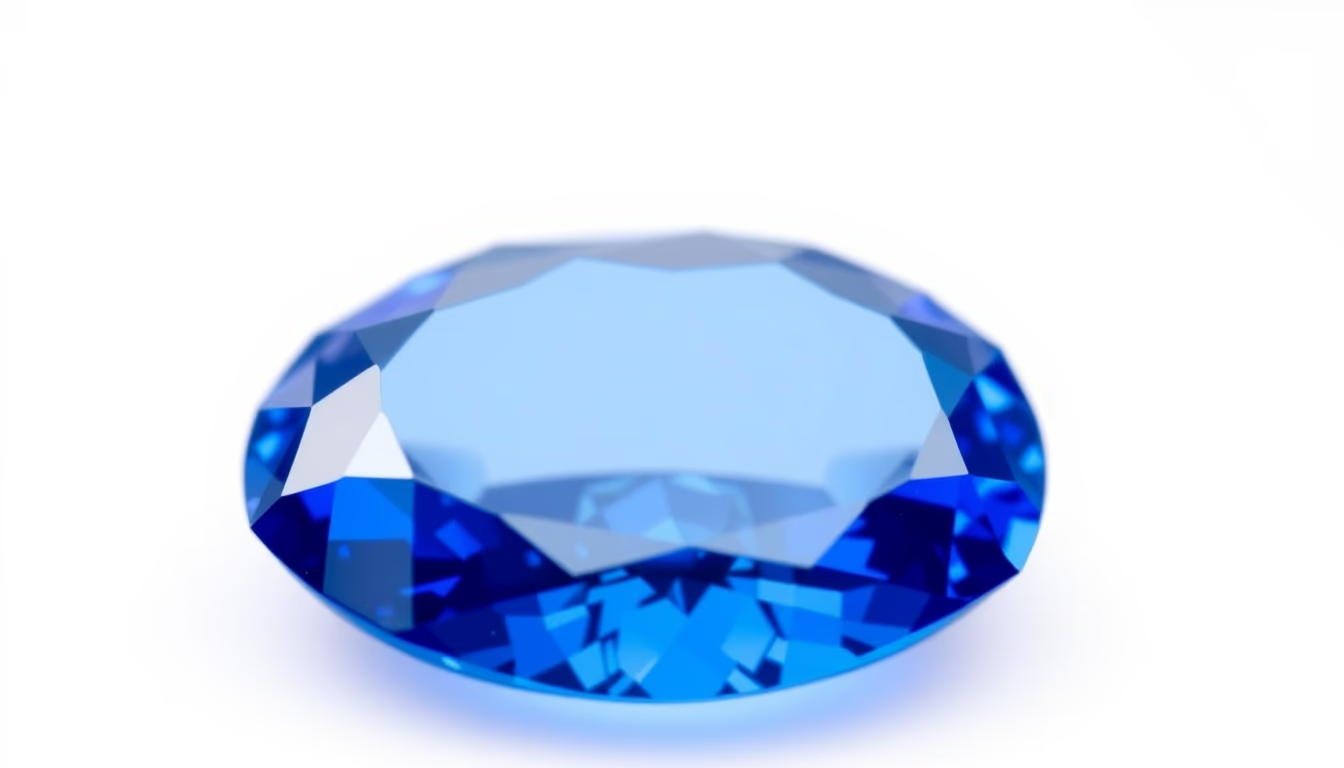
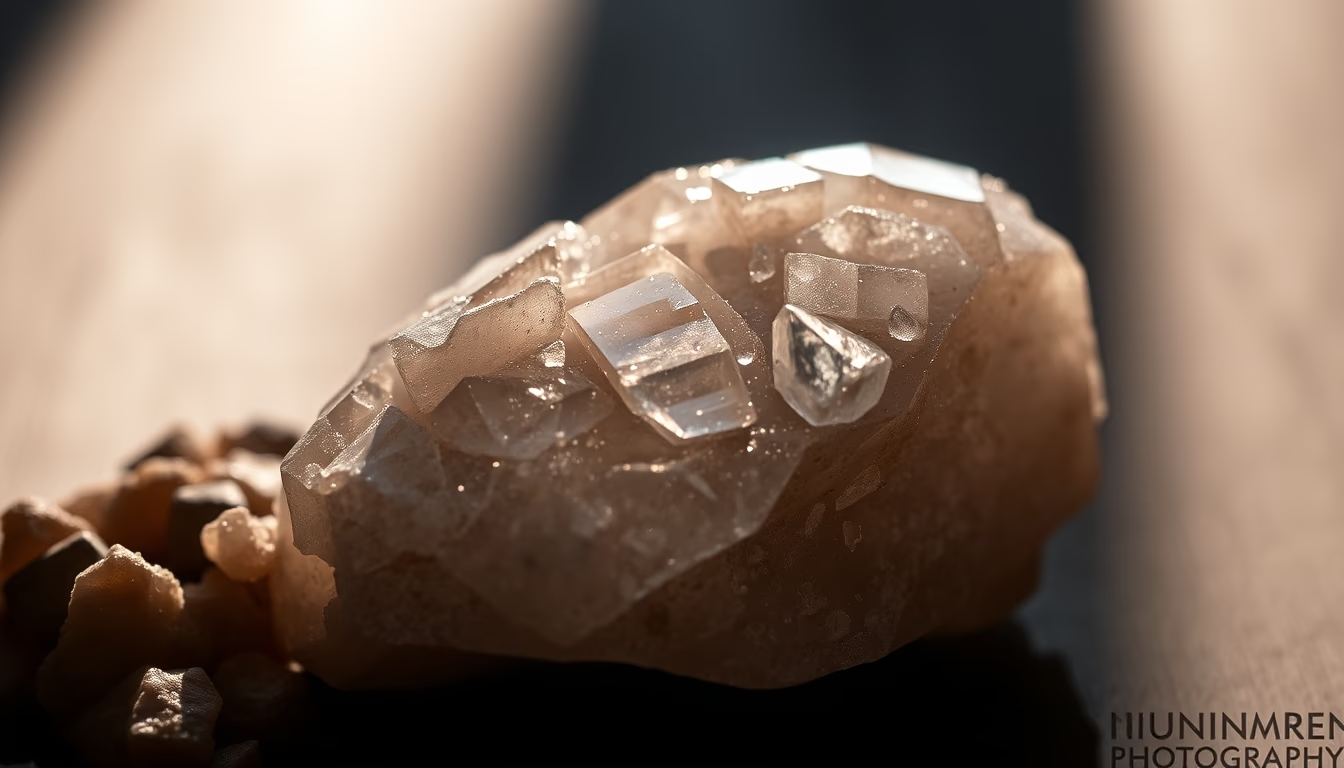
Turquoise polished
1344×768 · AVIF · CC BY 4.0

Turquoise is a blue-green mineral prized as a gemstone since ancient times, especially by cultures such as Egyptians and Aztecs.
About this subject
Turquoise is a hydrous phosphate of aluminum and copper, formed in arid regions where copper-rich water percolates through aluminum-rich rocks. Its characteristic color ranges from sky blue to apple green, depending on the copper-to-iron ratio. The main global sources include Iran (formerly Persia), the southwestern United States (Arizona and Nevada), northwestern China (Tibet), and the Sinai Peninsula in Egypt. In Brazil, smaller deposits occur in Bahia and Goiás, often associated with other secondary minerals.
Historically, turquoise was one of the first gemstones to be mined and worked. In ancient Egypt, it was used in jewelry and amulets, such as those found in Tutankhamun's tomb. Persians believed the gem protected against violent death and the evil eye. Among the Aztecs, it was considered the stone of the gods, used in ceremonial masks and ritual objects. Native American tribes in the southwestern US, such as the Navajo and Hopi, incorporated turquoise into their silverwork, making it a cultural and economic symbol.
In gemology, turquoise is opaque, with a hardness of 5 to 6 on the Mohs scale, porous, and sensitive to acids and chemicals. Quality is assessed by color (intense blue is most valued), absence of matrix (veins of host rock), and polish. Turquoise with homogeneous color and no matrix is rare; the variety with black or brown matrix is known as “spiderweb turquoise.” The gem may be treated with wax, resin, or stabilizers to enhance color and durability, but untreated natural turquoise is more prized by collectors.
Fun fact: turquoise is the official birthstone for December in some cultures, although others assign cubic zirconia. In China, it has been used for over 3,000 years in carvings and imperial jewelry. Due to its porosity, it should be protected from oils, perfumes, and sweat. The largest cut turquoise weighs about 2.5 kg and belongs to the Natural History Museum in London.
Frequently Asked Questions
Is turquoise a rare mineral?
It is not extremely rare, but high-quality deposits are limited. The main historical mines in Iran and Egypt are declining, increasing the value of stones with intense blue color and no matrix.
How to distinguish natural turquoise from imitation?
Natural turquoise is opaque, porous, and may show matrix. Common imitations include dyed howlite and plastics. A simple test: real turquoise stains when exposed to acetone (due to porosity), but this damages the stone. Better to consult a gemologist.
Can turquoise be used in everyday rings?
Yes, but with caution. Its medium hardness (5-6) and porosity make it prone to scratches and stains from chemicals. Avoid contact with perfumes, lotions, and chlorinated water.
Direct URL
https://pub-c7d6a6ea828543ac903a74a341ccb2e1.r2.dev/imagens/turquoise-polished-long-exposure-p10.avifHow to credit
Include a visible link back to UtilizAí. Copy one of the snippets below:
<a href="https://xn--utiliza-eza.com/en/midia/imagens/turquoise-polished-long-exposure-p10">Turquoise polished</a> by <a href="https://xn--utiliza-eza.com">UtilizAí</a>, licensed under <a href="https://creativecommons.org/licenses/by/4.0/">CC BY 4.0</a>.
[Turquoise polished](https://xn--utiliza-eza.com/en/midia/imagens/turquoise-polished-long-exposure-p10) by [UtilizAí](https://xn--utiliza-eza.com), CC BY 4.0
License: CC-BY-4.0