Tulip mixed colors vase
1344×768 · AVIF · CC BY 4.0
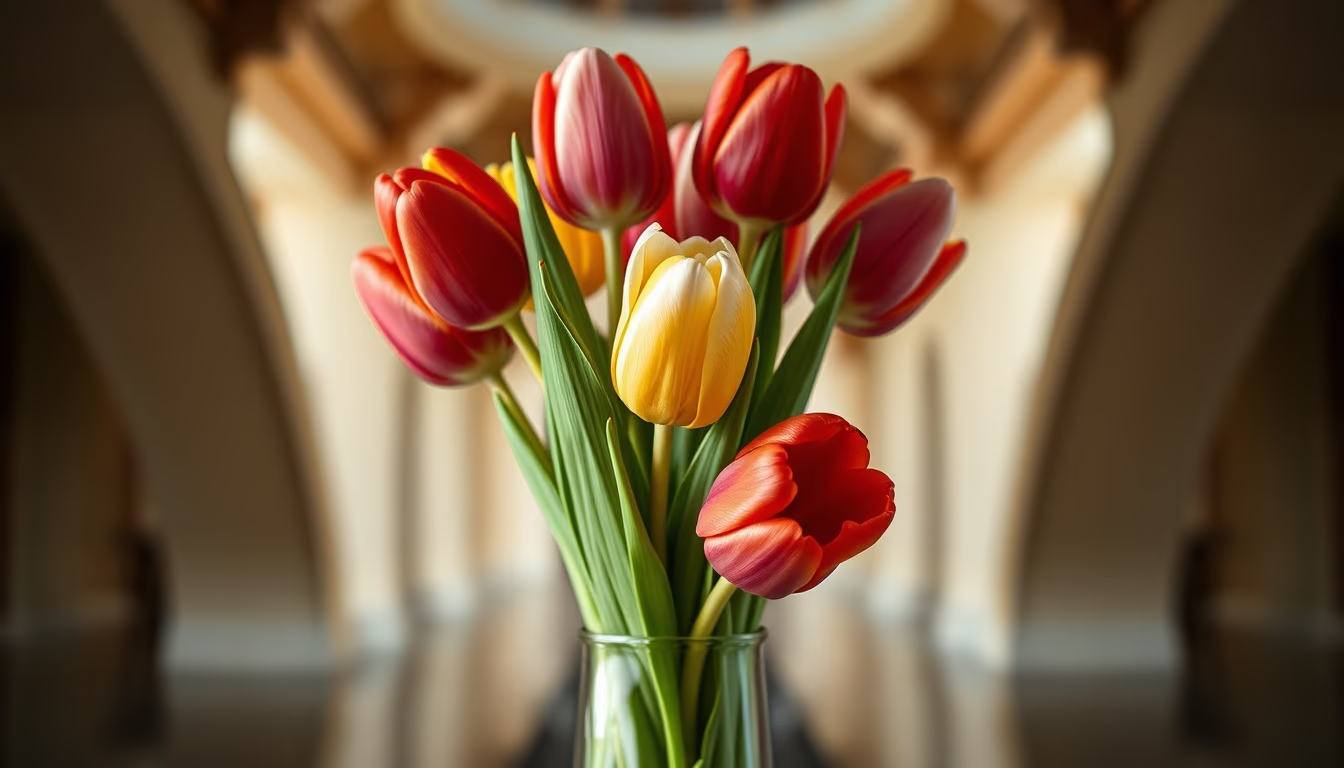
Vase with mixed-color tulips showcases genetic diversity and floral art, a recurring theme in interior decoration.
About this subject
Tulips originated in Central Asia and were introduced to Europe in the 16th century, quickly becoming a status symbol of wealth, especially in the Netherlands during the 'Tulip Mania' of the 17th century. Today, over 3,000 registered varieties exist, with colors ranging from pure white to almost black, including bi-colored and blended hues. This chromatic diversity, as seen in a vase of mixed-color tulips, results from centuries of genetic improvement and hybridization, which fixed patterns of striped, flamed, or contrasting-edged petals. The Netherlands remains the largest global producer and exporter, cultivating about 4.3 billion bulbs annually, a substantial share destined for bouquets and floral arrangements.
In floristry, combining different colored tulips in a single vase requires knowledge of visual harmony and post-harvest durability. Popular varieties for mixed arrangements include 'Queen of Night' (black) and 'Flaming Parrot' (red with yellow fringes). The arrangement must consider stem length, which ranges from 20 to 70 centimeters, and blooming season, which in the Netherlands occurs from March to May. The ideal vase for displaying mixed tulips is transparent glass, allowing visibility of the stems and clean water, thus extending the bouquet's life.
Culturally, tulips carry symbolic meanings: red signifies true love, yellow joy, white forgiveness, and purple royalty. A multicolored arrangement can convey optimism and diversity, often used in festive occasions or as gifts to celebrate achievements. In Brazil, tulips are mainly imported from the Netherlands and Chile, with commercial cultivation limited to regions with mild climates, such as the South. Despite their higher cost, the ephemeral beauty of tulips makes them a sought-after element in high-end events.
Frequently Asked Questions
How to care for cut tulips in a vase to make them last longer?
Cut stems diagonally every two days, change water daily, and keep the vase away from heat sources and direct sunlight. Add floral preservative or a pinch of sugar to extend life.
When is the best time to buy fresh tulips in Brazil?
Since they are imported, availability peaks between March and May (Northern Hemisphere spring). Cut flowers arrive year-round, but the highest supply occurs during these months.
Can tulips be grown at home in Brazil?
Yes, but they require a cold period (refrigerator) for 8, 12 weeks to break dormancy. After planting, they need well-drained soil and mild temperatures (below 20°C) to bloom.
Direct URL
https://pub-c7d6a6ea828543ac903a74a341ccb2e1.r2.dev/imagens/tulip-mixed-colors-vase-architectural-photography-fresh12.avifHow to credit
Include a visible link back to UtilizAí. Copy one of the snippets below:
<a href="https://xn--utiliza-eza.com/en/midia/imagens/tulip-mixed-colors-vase-architectural-photography-fresh12">Tulip mixed colors vase</a> by <a href="https://xn--utiliza-eza.com">UtilizAí</a>, licensed under <a href="https://creativecommons.org/licenses/by/4.0/">CC BY 4.0</a>.
[Tulip mixed colors vase](https://xn--utiliza-eza.com/en/midia/imagens/tulip-mixed-colors-vase-architectural-photography-fresh12) by [UtilizAí](https://xn--utiliza-eza.com), CC BY 4.0
License: CC-BY-4.0