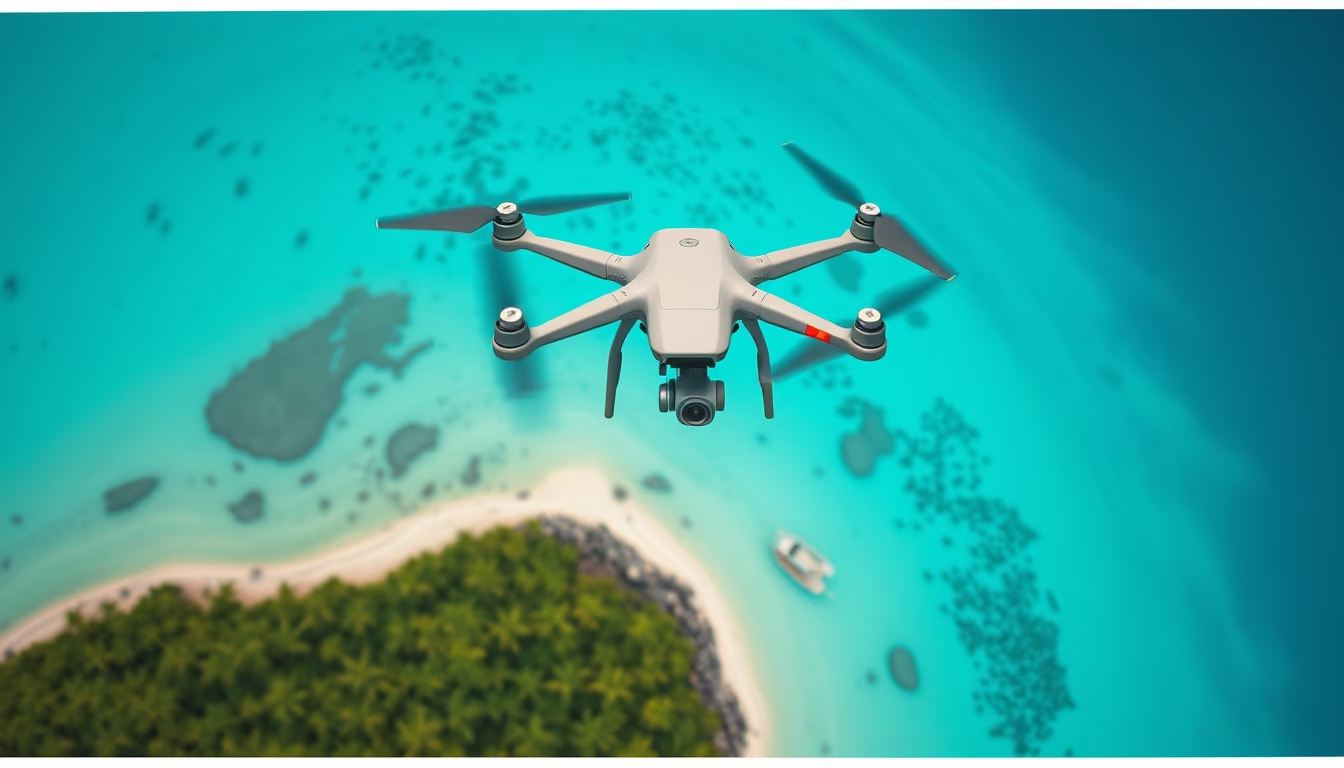
Tropical island aerial drone
1344×768 · AVIF · CC BY 4.0
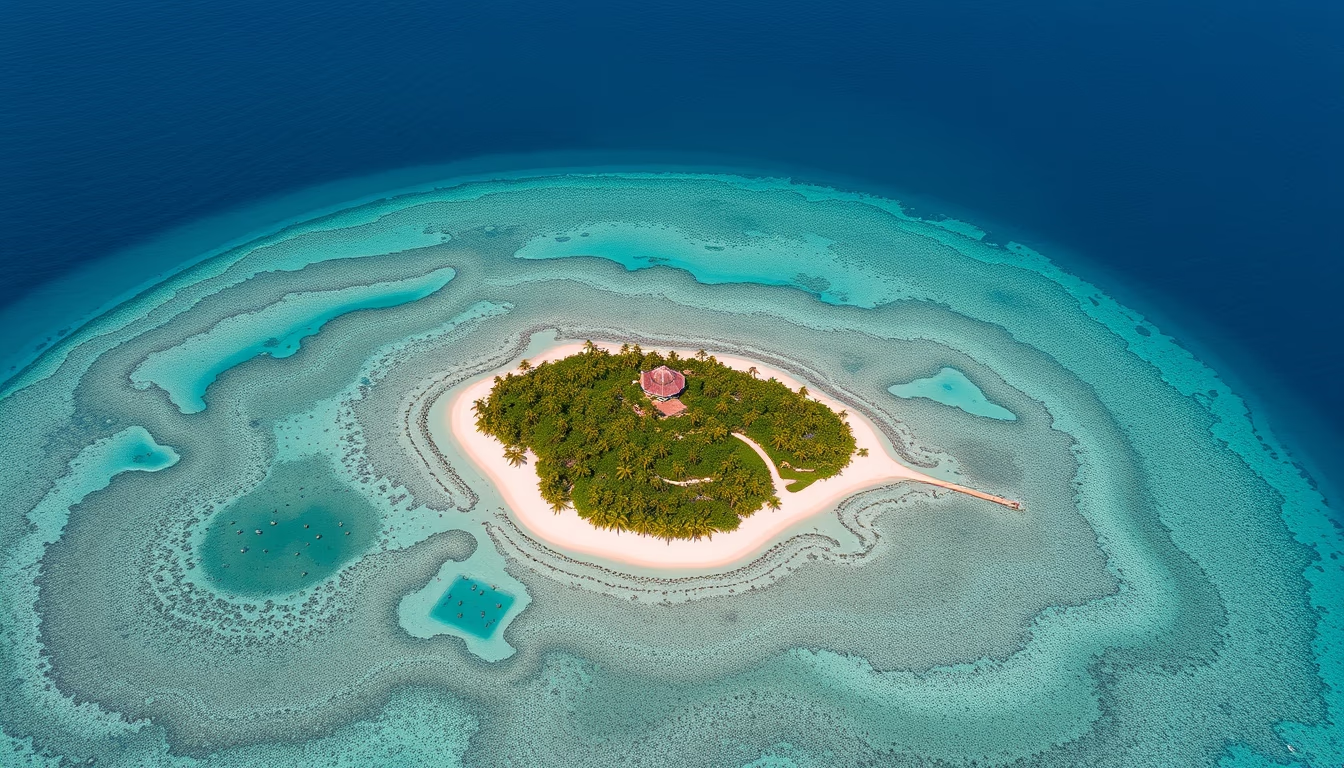
A tropical island seen from above reveals paradisiacal landscapes with crystal clear waters, coral reefs, and native vegetation. Understand its formation and importance.
About this subject
Tropical islands are unique ecosystems, usually formed by volcanic activity or coral growth around ancient submerged volcanoes. Classic examples include the Hawaiian Islands and Fernando de Noronha, in Brazil. These islands host impressive biodiversity, with endemic species that evolved in isolation. The surrounding waters are rich in marine life, with coral reefs that protect the coastline and support local fisheries.
Tourism is a major economic driver in many tropical islands, such as the Maldives and Bora Bora. Visitors are attracted by white sand beaches, coconut palms, and water sports. However, global warming threatens these paradises: rising sea levels and coral bleaching endanger both ecosystems and local economies. Some barrier islands, like those in Kiribati, are estimated to disappear within decades.
Typical vegetation includes coconut palms (Cocos nucifera), hibiscus, and mangroves. Coral reefs, often called underwater rainforests, house thousands of fish, mollusk, and crustacean species. Moreover, tropical islands often have specific microclimates, with frequent rainfall on some slopes and dry conditions on others, creating habitat mosaics.
Culturally, these islands are home to peoples with traditions tied to the sea, such as Polynesian and Caribbean communities. Their cuisine, music, and dance reflect this oceanic connection. Protecting these environments is essential not only for natural preservation but also to keep these cultures alive.
Frequently Asked Questions
What defines a tropical island?
A tropical island is located near the Equator, with a warm and humid climate, lush vegetation, and marine ecosystems such as coral reefs. They are usually formed by volcanoes or atolls.
How are tropical islands formed?
They can be of volcanic origin, with submarine eruptions raising rock above sea level, or coral-based, when coral reefs grow on submerged volcanoes forming atolls.
What is the importance of coral reefs for tropical islands?
Reefs protect coasts from erosion, harbor great marine biodiversity, and support fishing and tourism. They are essential for local economies and ecological balance.
Direct URL
https://pub-c7d6a6ea828543ac903a74a341ccb2e1.r2.dev/imagens/tropical-island-aerial-drone-national-geographic-style-p2.avifHow to credit
Include a visible link back to UtilizAí. Copy one of the snippets below:
<a href="https://xn--utiliza-eza.com/en/midia/imagens/tropical-island-aerial-drone-national-geographic-style-p2">Tropical island aerial drone</a> by <a href="https://xn--utiliza-eza.com">UtilizAí</a>, licensed under <a href="https://creativecommons.org/licenses/by/4.0/">CC BY 4.0</a>.
[Tropical island aerial drone](https://xn--utiliza-eza.com/en/midia/imagens/tropical-island-aerial-drone-national-geographic-style-p2) by [UtilizAí](https://xn--utiliza-eza.com), CC BY 4.0
License: CC-BY-4.0