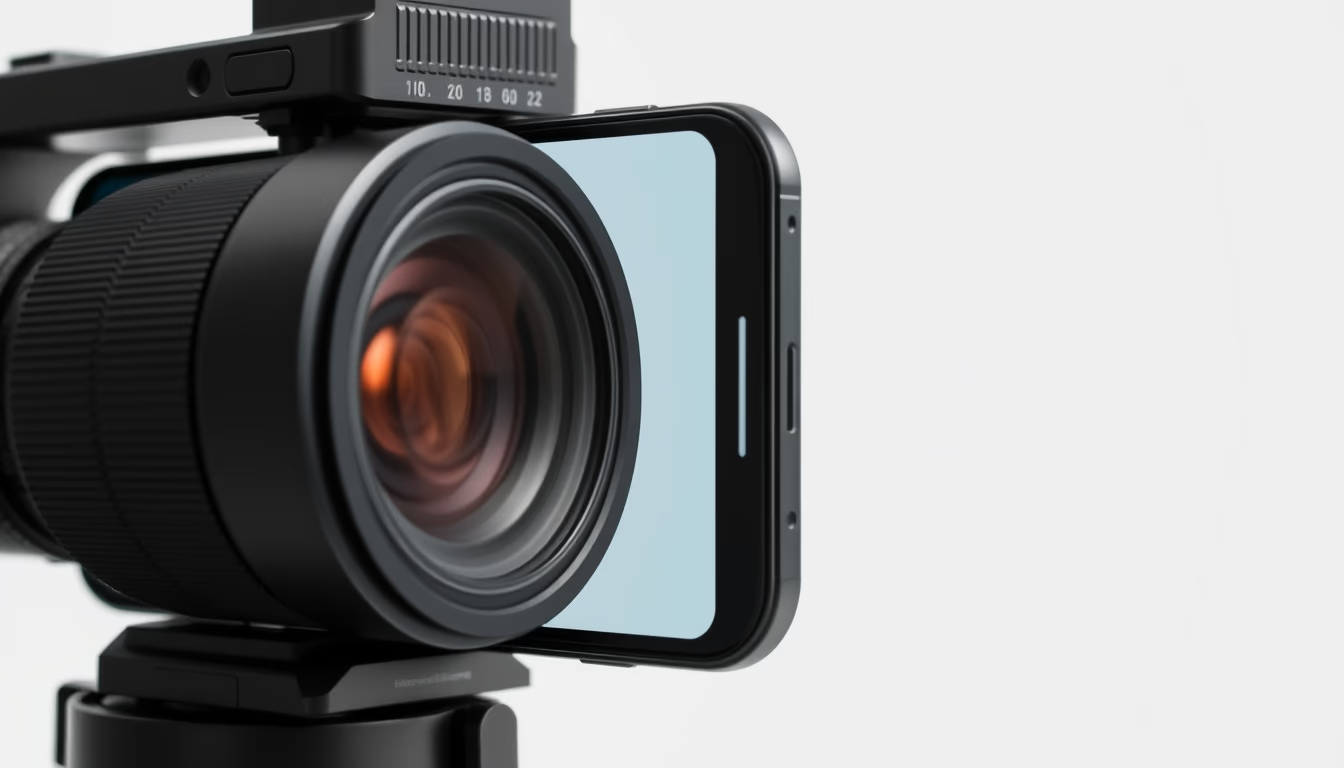
Tripod compact travel
1344×768 · AVIF · CC BY 4.0
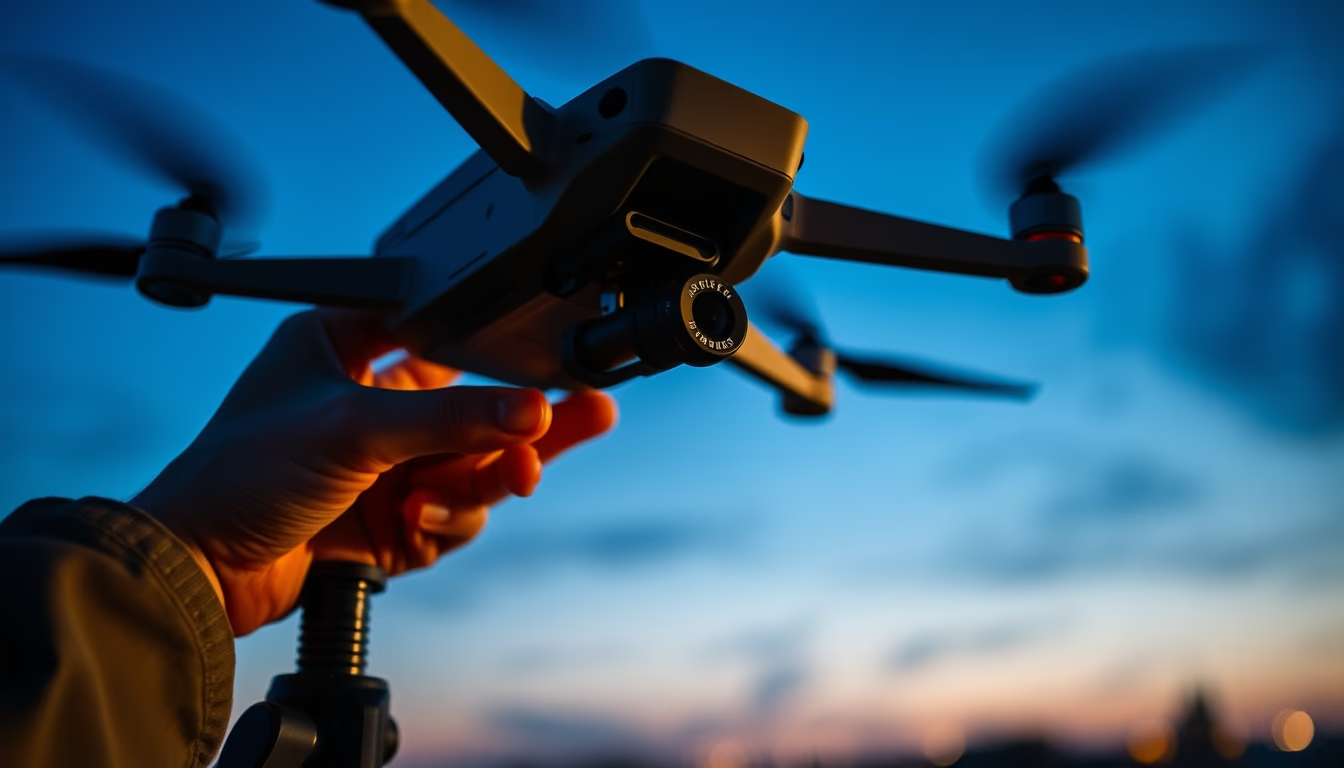
Compact travel tripods combine portability and stability for photographers needing lightweight, versatile gear on the go.
About this subject
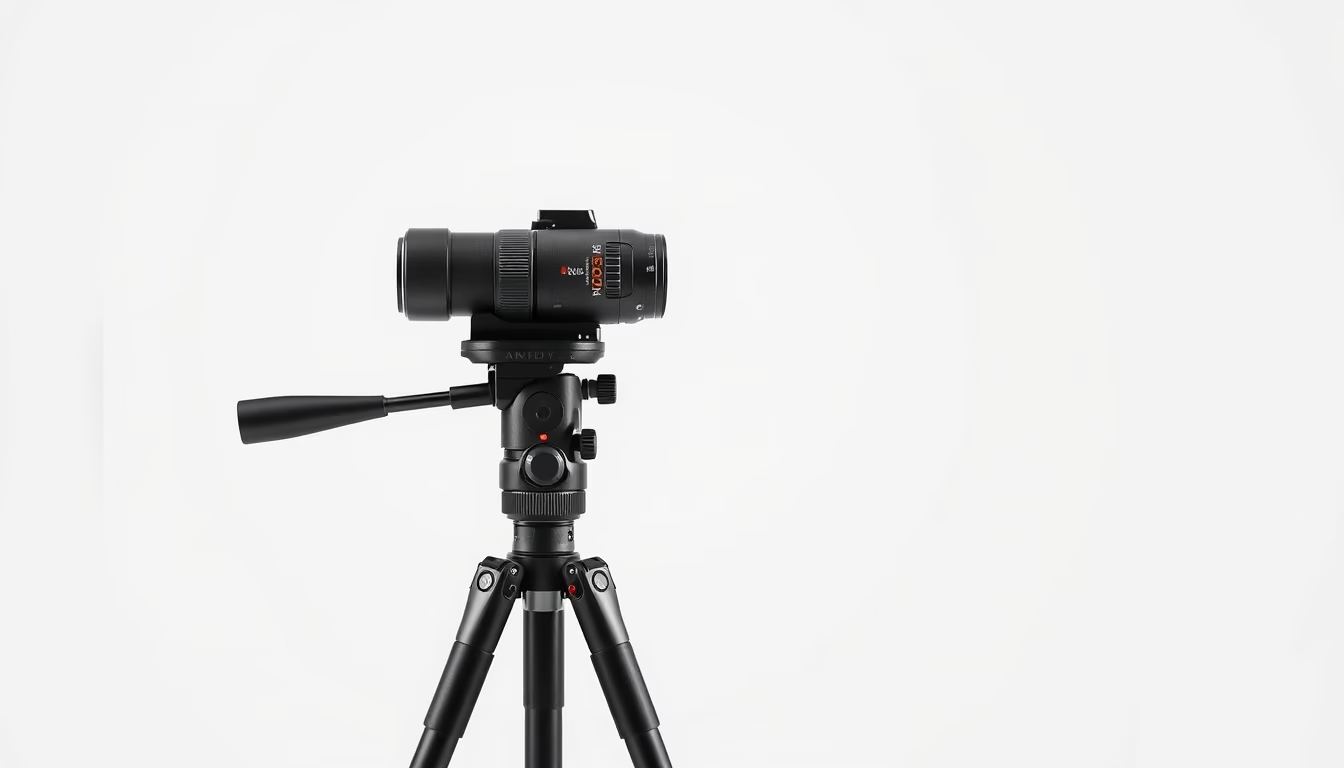
Compact travel tripods are designed for photographers and videomakers who prioritize mobility without sacrificing stability. Typically made of aluminum or carbon fiber, these tripods weigh between 0.5 kg and 1.5 kg and fold down to fit in small backpacks or even side bags. Models like the Manfrotto Befree or the Peak Design Travel Tripod have popularized the segment, offering quick-lock legs and articulated heads that support DSLRs, mirrorless cameras, or smartphones with adapters.
The key innovation in this niche is the reverse-folding leg system, which reduces overall length to about 30-40 cm. Many models include a center hook for hanging extra weight, increasing stability in strong winds. Maximum height ranges from 120 cm to 160 cm, sufficient for most landscape and portrait scenarios. For macro or low-angle shots, some allow removing the center column or inverting the legs.
The popularity of compact tripods has grown with tourism and travel photography, where luggage space is limited. Manufacturers like Gitzo, Sirui, and Rollei compete with lightweight designs that maintain stiffness. The downside is that maximum height is often lower than professional tripods, and stability may be compromised with very heavy gear. Astrophotography enthusiasts prefer carbon fiber models, which dissipate vibrations faster.
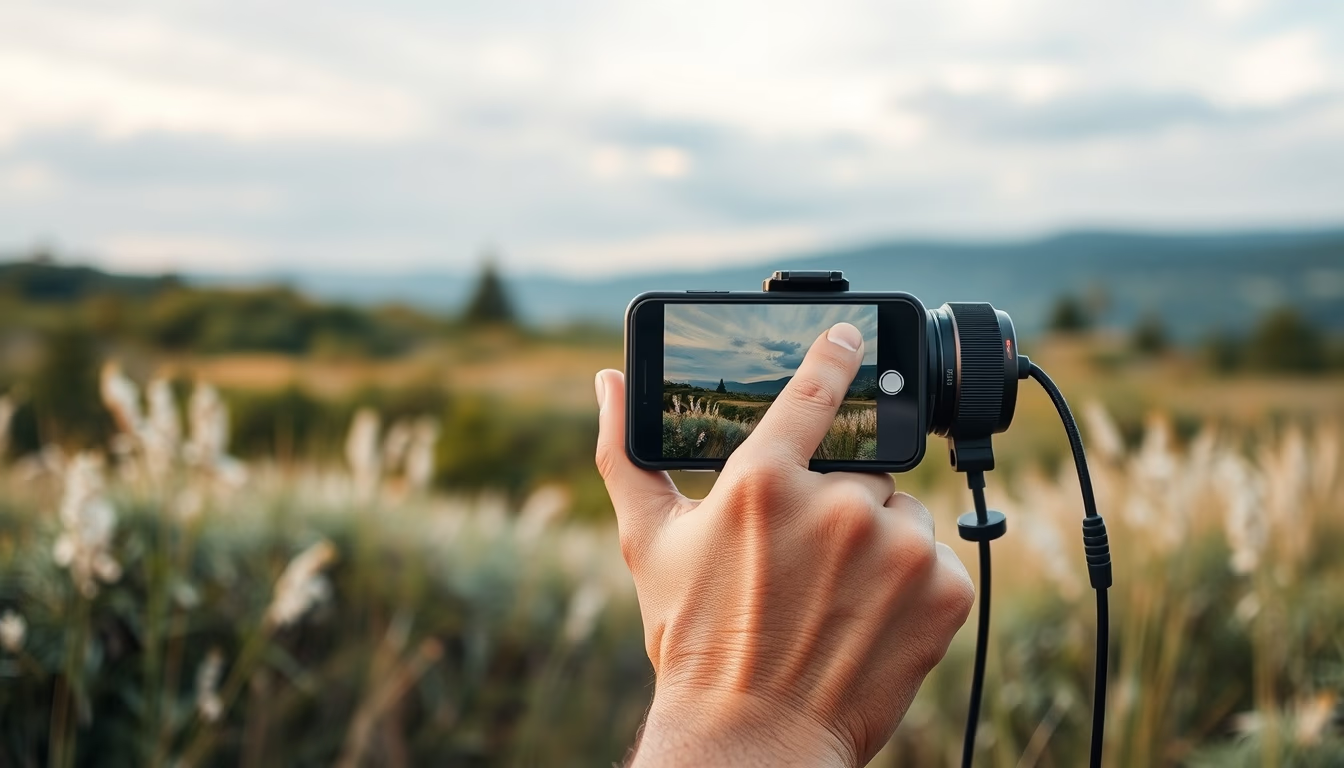
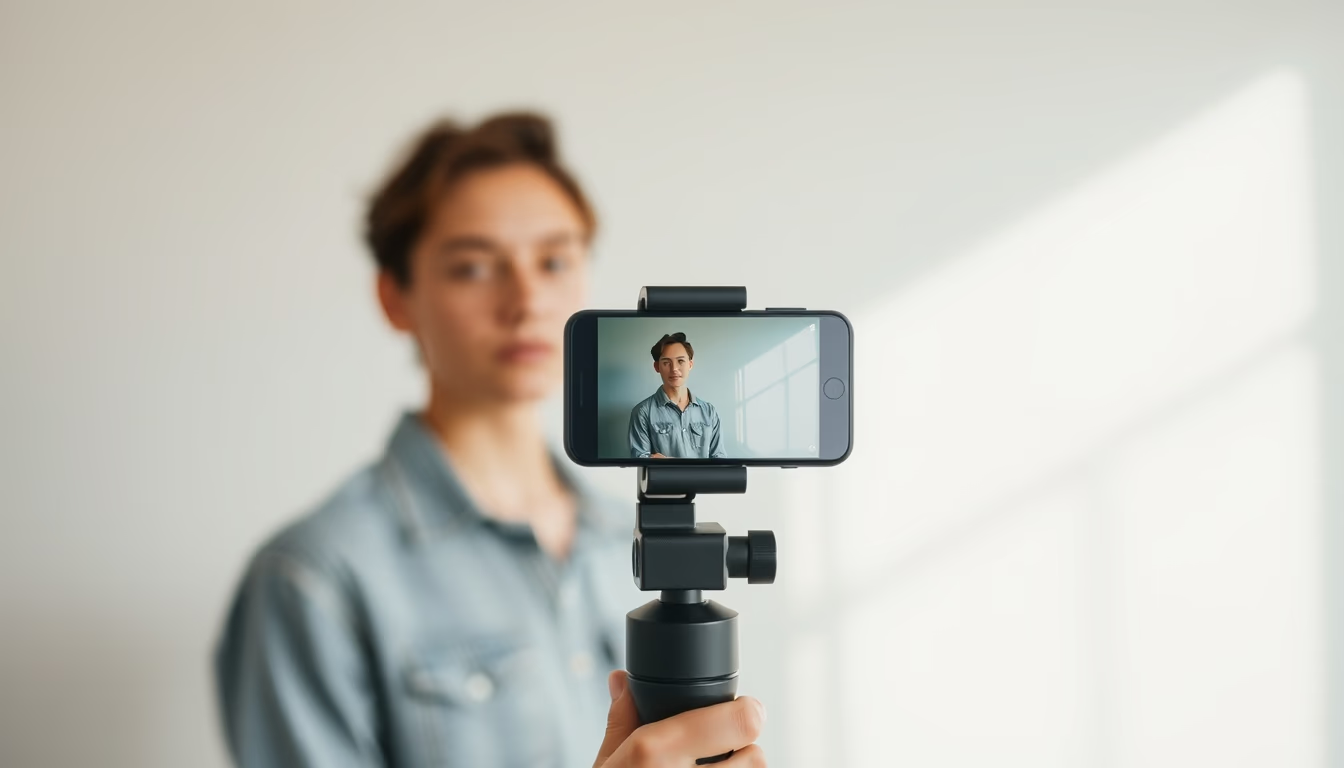
Fun fact: compact tripods are also used for smartphone video recording, especially timelapses or hyperlapses. Some models come with built-in Bluetooth remote control on the head, making group selfies or remote captures easier. The ideal choice depends on the camera type and usage conditions, but the consensus is that a travel tripod should balance weight, maximum height, and load capacity.
Frequently Asked Questions
Which material should I choose: aluminum or carbon fiber?
Aluminum is cheaper and impact-resistant but heavier. Carbon fiber is lighter and absorbs vibrations better, ideal for long trips and astrophotography. The cost is higher, though.
Can a compact tripod hold a professional DSLR camera?
Yes, as long as the load capacity (usually 4-8 kg) is sufficient. Travel tripods with ball heads support heavy bodies and medium telephoto lenses. For supertele lenses, sturdier tripods are recommended.
How to choose the ideal height for a travel tripod?
Maximum height should reach your eye level without straining your neck. For travel, tripods of 130-150 cm are practical. Low minimum height (<20 cm) is useful for macro photography.
Direct URL
https://pub-c7d6a6ea828543ac903a74a341ccb2e1.r2.dev/imagens/tripod-compact-travel-aerial-drone-shot-fresh13.avifHow to credit
Include a visible link back to UtilizAí. Copy one of the snippets below:
<a href="https://xn--utiliza-eza.com/en/midia/imagens/tripod-compact-travel-aerial-drone-shot-fresh13">Tripod compact travel</a> by <a href="https://xn--utiliza-eza.com">UtilizAí</a>, licensed under <a href="https://creativecommons.org/licenses/by/4.0/">CC BY 4.0</a>.
[Tripod compact travel](https://xn--utiliza-eza.com/en/midia/imagens/tripod-compact-travel-aerial-drone-shot-fresh13) by [UtilizAí](https://xn--utiliza-eza.com), CC BY 4.0
License: CC-BY-4.0