Travel postcards europe
1344×768 · AVIF · CC BY 4.0

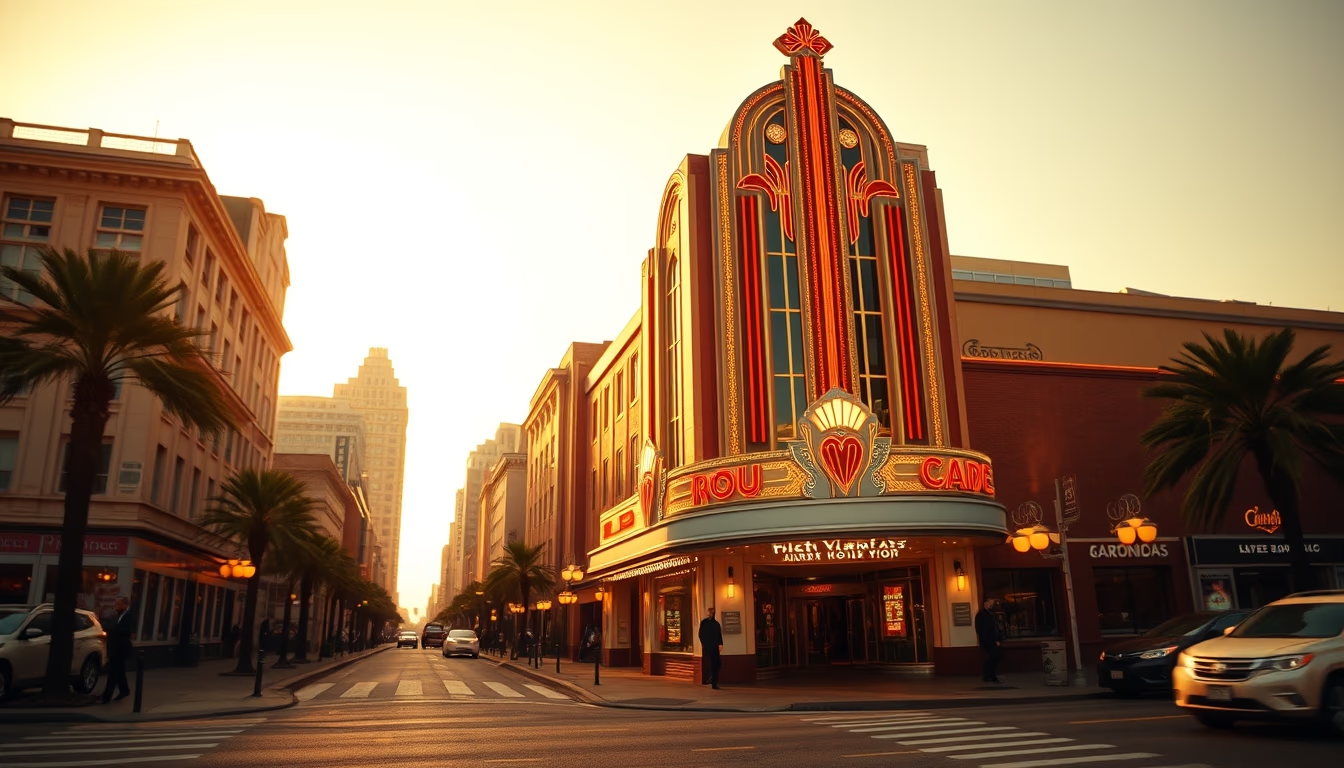
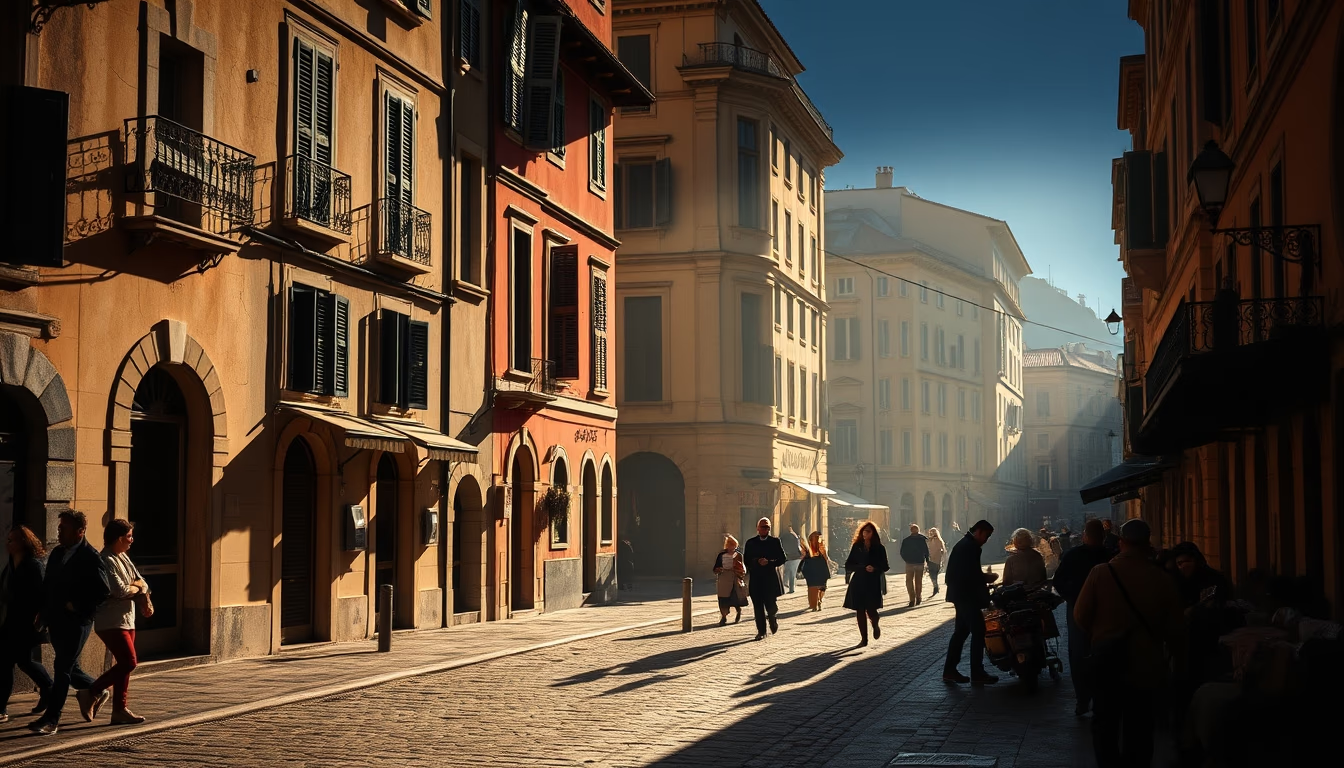
European travel postcards capture iconic landscapes and monuments, telling stories of exploration and tourism since the 19th century.
About this subject
European travel postcards have a rich history dating back to the early days of modern tourism. Emerging in the late 19th century during the boom of railway travel and grand cruises, these small cardboard rectangles became the most popular souvenir among travelers. They served not only as proof of visits to destinations such as Paris, Rome, or London, but also as instant communication tools, allowing senders to share brief accounts of their adventures with friends and family.
Each European country developed its own postcard style. Views of the Eiffel Tower in black and white or hand-colored, the ruins of the Colosseum under an intense blue sky, the canals of Venice with gliding gondolas, all these images became globally recognizable visual icons. Postcards also reflected social and technological changes: with advances in photography and color printing, images became more vivid and appealing, helping to shape the tourist imagination of an entire era.
Today, European postcards are collectibles and objects of sentimental memory. They document not only geography but also the evolution of graphic design and printing techniques. At antique fairs and souvenir shops, original examples from the early 20th century can still be found, offering a nostalgic glimpse into how Europeans and visitors saw the continent. Despite the digital age, physical postcards continue to be sent by those seeking a tactile and personal travel communication experience.
Frequently Asked Questions
When did the first European postcards appear?
The first postcards were introduced in Europe around 1870, initially as simple correspondence cards. The format with an image on one side and space for a message on the other became popular in the 1890s.
What are the most common themes on European travel postcards?
Common themes include famous monuments (Eiffel Tower, Colosseum, Big Ben), natural landscapes (Alps, Amalfi Coast), street scenes, and cultural traditions such as fish market vendors or folk dances.
Are European postcards still popular in the 21st century?
Yes, although they have lost ground to social media, physical postcards are still sold at tourist sites and are appreciated by collectors and travelers who value tradition and nostalgia.
Direct URL
https://pub-c7d6a6ea828543ac903a74a341ccb2e1.r2.dev/imagens/travel-postcards-europe-studio-editorial-portrait-fresh1.avifHow to credit
Include a visible link back to UtilizAí. Copy one of the snippets below:
<a href="https://xn--utiliza-eza.com/en/midia/imagens/travel-postcards-europe-studio-editorial-portrait-fresh1">Travel postcards europe</a> by <a href="https://xn--utiliza-eza.com">UtilizAí</a>, licensed under <a href="https://creativecommons.org/licenses/by/4.0/">CC BY 4.0</a>.
[Travel postcards europe](https://xn--utiliza-eza.com/en/midia/imagens/travel-postcards-europe-studio-editorial-portrait-fresh1) by [UtilizAí](https://xn--utiliza-eza.com), CC BY 4.0
License: CC-BY-4.0