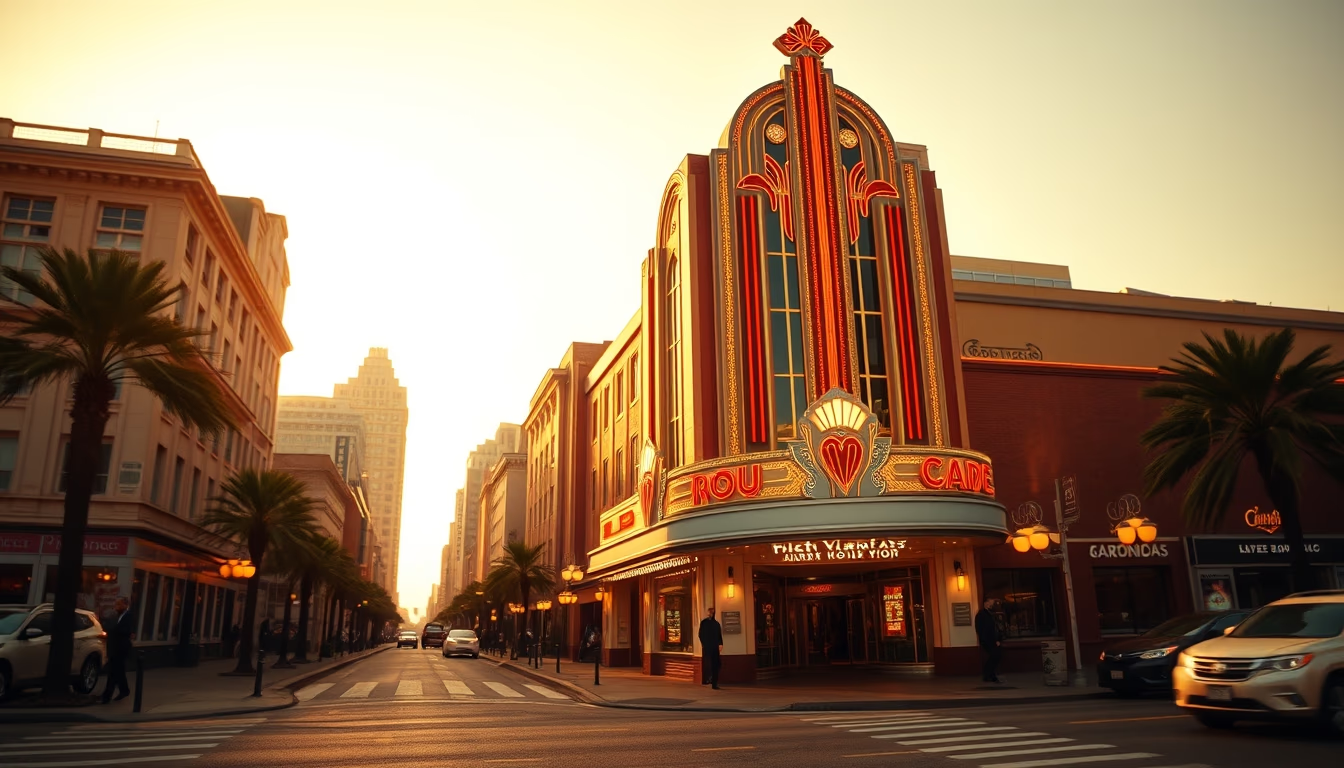
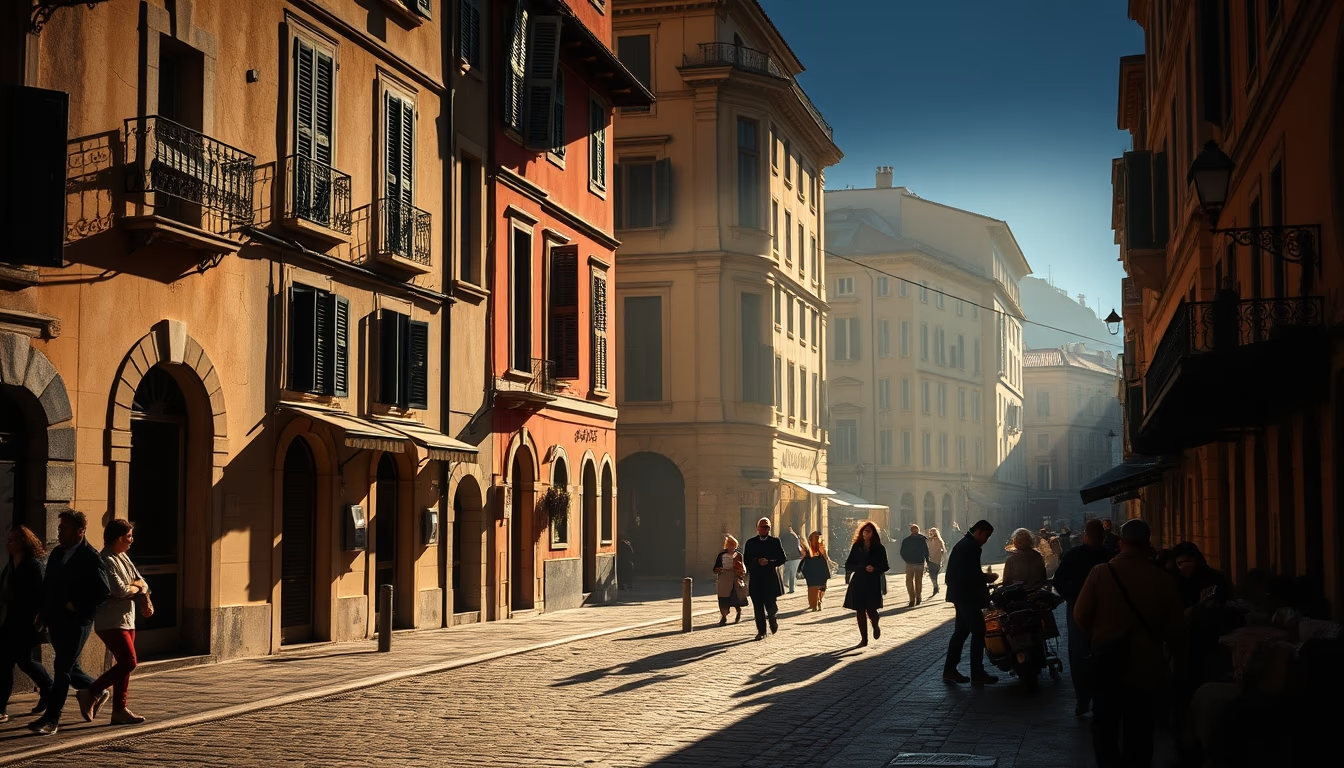
Travel postcards europe
1344×768 · AVIF · CC BY 4.0
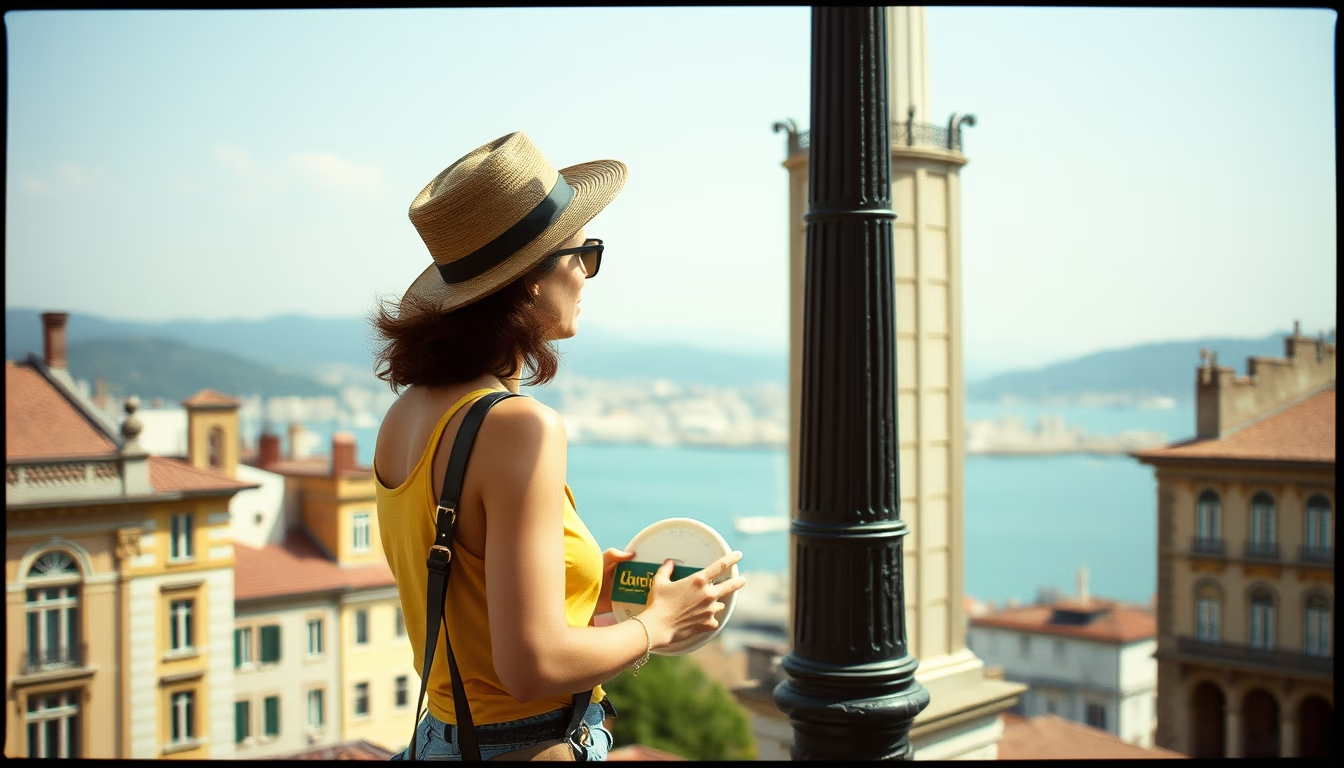
Travel postcards from Europe: a window into the continent's history, culture, and landscapes, collected for centuries.
About this subject
Travel postcards emerged in the late 19th century with the rise of mail and tourism. Europe, the birthplace of the illustrated postcard, became the main subject, featuring iconic landmarks like the Eiffel Tower and Colosseum, as well as everyday village scenes. During the Belle Époque, postcards were the traveler's favorite souvenir, enabling them to share exotic views with friends and family. Even today, they offer an accessible way to explore Europe's heritage without leaving home.
Postcard collecting, known as deltiology, has enthusiasts worldwide. Millions of cards are in circulation, with some rarities valued at hundreds of euros. Germany, France, and Italy are the top historical producers, but every European country has contributed thematic series. Vintage postcards provide a visual record of cities that have drastically changed, such as Berlin before World War II or Lisbon before the 1755 earthquake (though postcards came later).
Interestingly, the highest number of postcards mailed from a single location is St. Peter's Basilica in Vatican City, with millions per year. The tradition of sending travel postcards has survived the digital age; many tourists still prefer the physical touch and handwritten messages. Local stamps and postmarks add authenticity, and the delivery delay creates nostalgic anticipation. Today, vintage postcards are used in decoration, collages, and even historical research material.
Frequently Asked Questions
What is the origin of postcards in Europe?
The first postcards appeared in Austria-Hungary in 1869 as 'open correspondence'. Europe quickly embraced the idea, with France and Germany producing illustrated series from the 1870s.
What makes a European postcard valuable to collectors?
Rarity, age, condition, and subject influence value. Postcards of destroyed cities, historical events, or limited editions are highly sought. Stamps and postmarks also add value.
How do European postcards reflect local culture?
They show architecture, traditional costumes, festivals, and rural landscapes. For instance, Swiss postcards highlight the Alps, while Portuguese ones emphasize azulejos and fado.
Direct URL
https://pub-c7d6a6ea828543ac903a74a341ccb2e1.r2.dev/imagens/travel-postcards-europe-film-grain-authentic-fresh11.avifHow to credit
Include a visible link back to UtilizAí. Copy one of the snippets below:
<a href="https://xn--utiliza-eza.com/en/midia/imagens/travel-postcards-europe-film-grain-authentic-fresh11">Travel postcards europe</a> by <a href="https://xn--utiliza-eza.com">UtilizAí</a>, licensed under <a href="https://creativecommons.org/licenses/by/4.0/">CC BY 4.0</a>.
[Travel postcards europe](https://xn--utiliza-eza.com/en/midia/imagens/travel-postcards-europe-film-grain-authentic-fresh11) by [UtilizAí](https://xn--utiliza-eza.com), CC BY 4.0
License: CC-BY-4.0