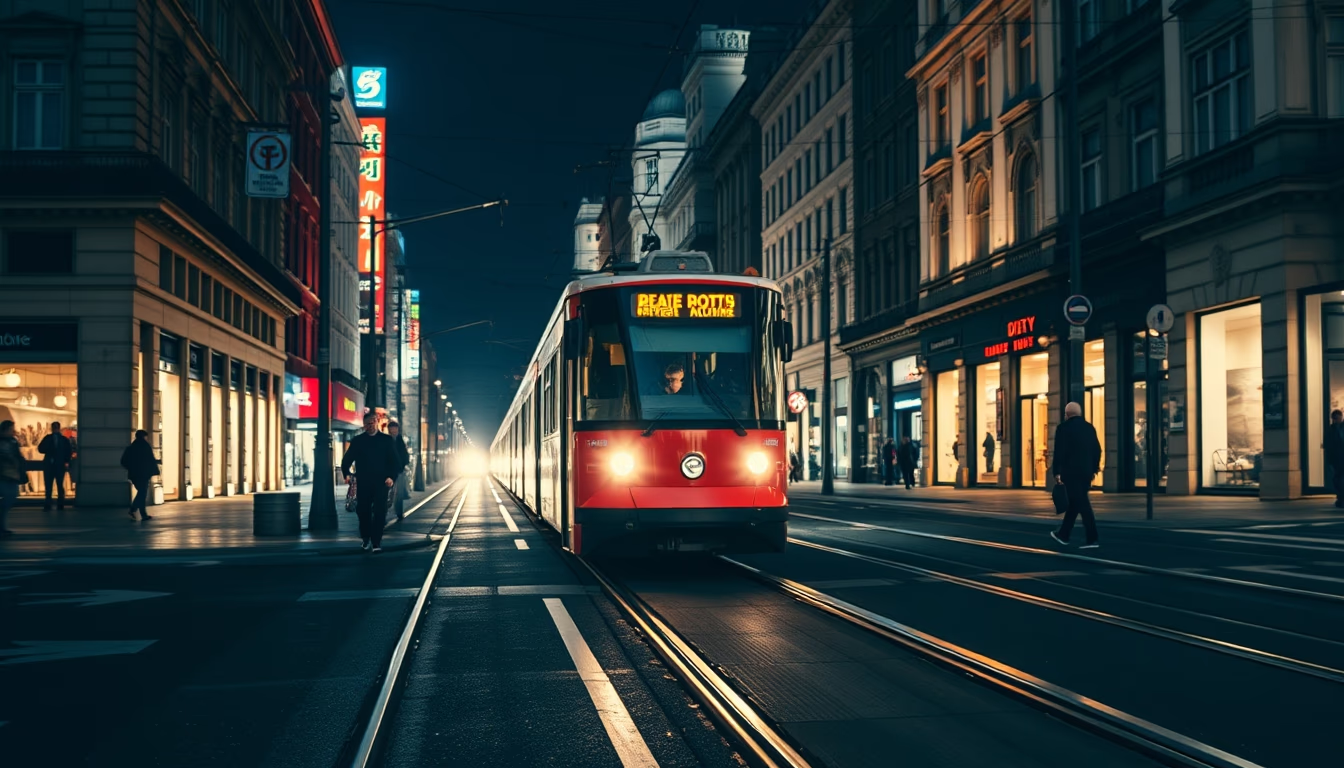
Tram rails city
1344×768 · AVIF · CC BY 4.0
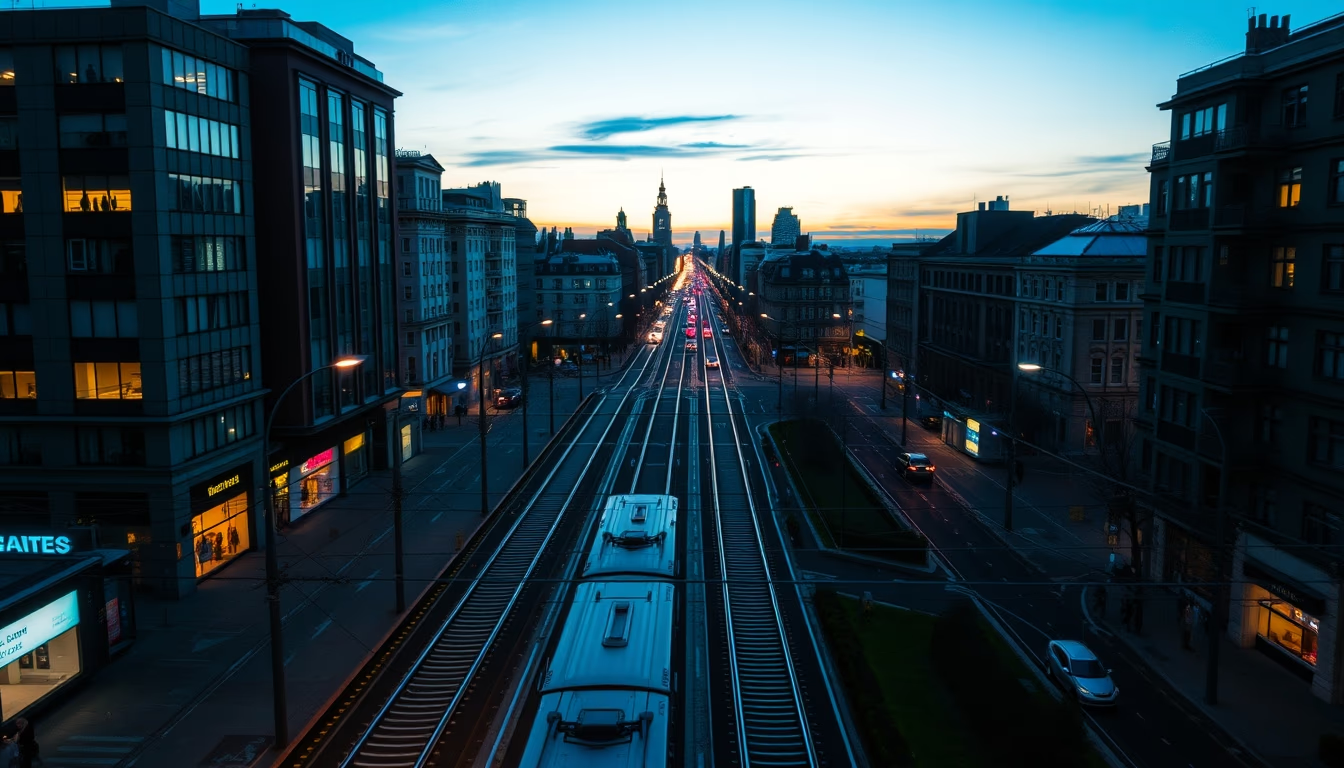
Trams, also known as streetcars or trolleys, are a rail-based transit system found in many cities worldwide, blending heritage with sustainable urban mobility.
About this subject
Trams, also called streetcars or trolleys, are rail vehicles that run on tracks embedded in public roads. They emerged in the 19th century, first horse-drawn and later electrified, becoming a staple of urban transit. Cities like Lisbon (Tram 28), Prague, Melbourne, and San Francisco preserve historic lines that serve both tourists and commuters. In Europe, modern trams in Strasbourg and Zurich are key to sustainable mobility networks, powered by renewable electricity. In Brazil, the Santa Teresa tram in Rio de Janeiro and the Campos do Jordão line are remnants of a bygone era when trams dominated city transport.
Tram infrastructure requires tracks flush with the asphalt, allowing shared street space but also vulnerability to traffic. Some cities, such as Amsterdam and Warsaw, operate trams on dedicated lanes to ensure reliability. Modern advancements include low-floor designs for accessibility and induction charging, removing overhead wires in heritage areas.
Culturally, trams bridge nostalgia and modernity. Lisbon's Tram 28 winds through steep hills, offering a scenic ride. Hong Kong's double-decker trams are an iconic sight. Global interest has surged recently due to the push for low-emission transport: about 400 tram systems exist worldwide, with new lines planned in Paris and London. Energy efficiency, low noise, and urban integration make trams a promising solution for future mobility.
Frequently Asked Questions
What is the difference between a tram, a train, and a metro?
A tram runs on tracks embedded in public roads, sharing space with other traffic and having frequent stops. A train operates on dedicated tracks, often connecting cities or regions. A metro is an urban railway system with exclusive rights-of-way, usually underground or elevated, offering high capacity and frequency.
Are trams still used in Brazilian cities?
Yes, remnant lines exist, such as the Santa Teresa tram in Rio de Janeiro (a tourist and heritage line) and the Campos do Jordão system. Other cities like Santos have tourist trams. However, regular public transit trams have been phased out in most capitals.
Why are trams making a comeback in many cities worldwide?
Because they are sustainable (electric, low emissions), efficient for medium-density corridors, and economically viable compared to metros. They also revitalize urban areas, reduce congestion, and provide accessible mobility. Cities like Paris and London are reinvesting in modern trams.
Direct URL
https://pub-c7d6a6ea828543ac903a74a341ccb2e1.r2.dev/imagens/tram-rails-city-aerial-drone-shot-p2.avifHow to credit
Include a visible link back to UtilizAí. Copy one of the snippets below:
<a href="https://xn--utiliza-eza.com/en/midia/imagens/tram-rails-city-aerial-drone-shot-p2">Tram rails city</a> by <a href="https://xn--utiliza-eza.com">UtilizAí</a>, licensed under <a href="https://creativecommons.org/licenses/by/4.0/">CC BY 4.0</a>.
[Tram rails city](https://xn--utiliza-eza.com/en/midia/imagens/tram-rails-city-aerial-drone-shot-p2) by [UtilizAí](https://xn--utiliza-eza.com), CC BY 4.0
License: CC-BY-4.0