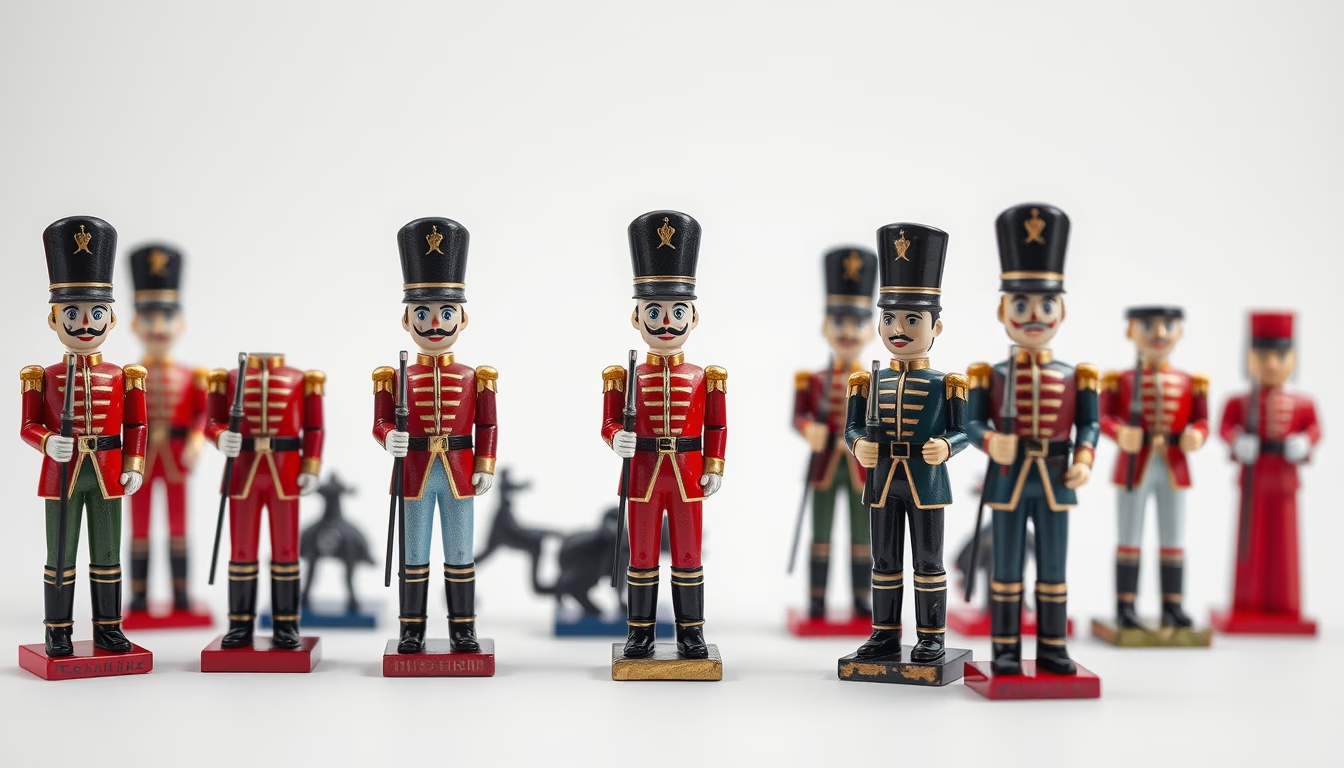
Tin soldier set
1344×768 · AVIF · CC BY 4.0
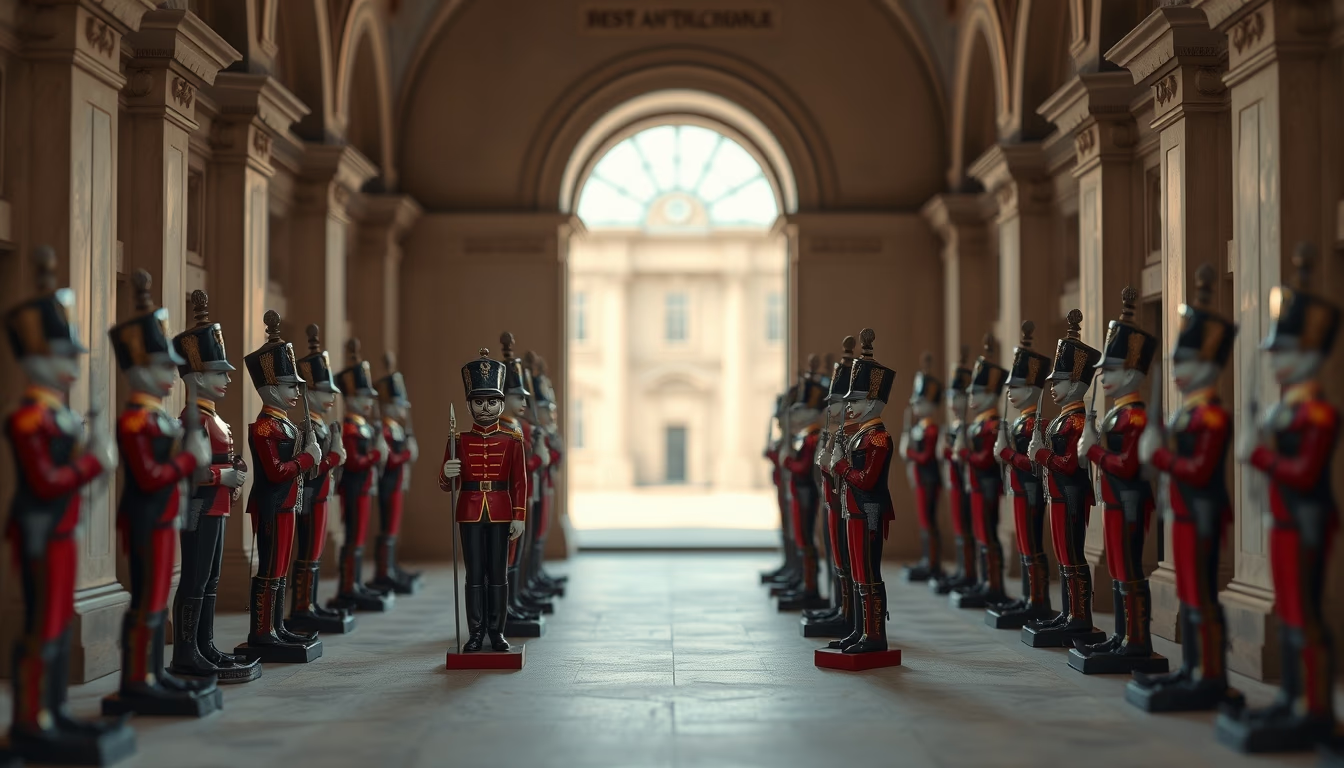
Set of tin soldiers, classic toys that marked generations and are now collector's items.
About this subject
Tin soldiers are miniature figures representing soldiers from different armies and eras. Their origin dates back to the 18th century in Germany, where they were handmade as toys for noble children. The lead casting technique allowed detailed features, and they soon became popular throughout Europe. In the 19th century, companies like German Heyde and French Mignot dominated production, creating complete series of Napoleonic soldiers, American Civil War figures, and other conflicts.
In Brazil, tin soldiers arrived with European immigrants and became common toys until the mid-20th century. With regulations on lead use in toys, production declined, and antique pieces increased in value among collectors. Today, a complete and well-preserved set can be worth hundreds or thousands of reais, depending on rarity and condition.
The manufacturing process involved metal molds into which molten lead was poured. After cooling, the pieces were sanded and hand-painted, ensuring each figure's uniqueness. Tin soldiers were usually sold in themed sets, including officers, enlisted men, cavalry, and artillery. Besides being toys, they were also used as decorative objects and in military dioramas.
Trivia: In the movie "Toy Story," the green army men are a direct reference to these classic tin soldiers, though they are made of plastic for safety. The term "tin soldier" remains in popular imagination to denote miniature military figures.
Frequently Asked Questions
How to identify an antique tin soldier?
Look for manufacturer marks on the base or back, hand-painted details, and a natural lead patina. Original 19th-century pieces typically have muted colors and even wear.
What are the main historical manufacturers of tin soldiers?
The most famous are German Heyde, French Mignot, British Britains (later switched to plastic), and Danish Tekno.
Why did tin soldiers stop being produced?
Due to lead poisoning risks, many countries banned the use of lead in toys from the 1960s onward. Production shifted to materials like plastic and lead-free alloys.
Direct URL
https://pub-c7d6a6ea828543ac903a74a341ccb2e1.r2.dev/imagens/tin-soldier-set-architectural-photography-fresh0.avifHow to credit
Include a visible link back to UtilizAí. Copy one of the snippets below:
<a href="https://xn--utiliza-eza.com/en/midia/imagens/tin-soldier-set-architectural-photography-fresh0">Tin soldier set</a> by <a href="https://xn--utiliza-eza.com">UtilizAí</a>, licensed under <a href="https://creativecommons.org/licenses/by/4.0/">CC BY 4.0</a>.
[Tin soldier set](https://xn--utiliza-eza.com/en/midia/imagens/tin-soldier-set-architectural-photography-fresh0) by [UtilizAí](https://xn--utiliza-eza.com), CC BY 4.0
License: CC-BY-4.0