Tin advertising signs row
1344×768 · AVIF · CC BY 4.0
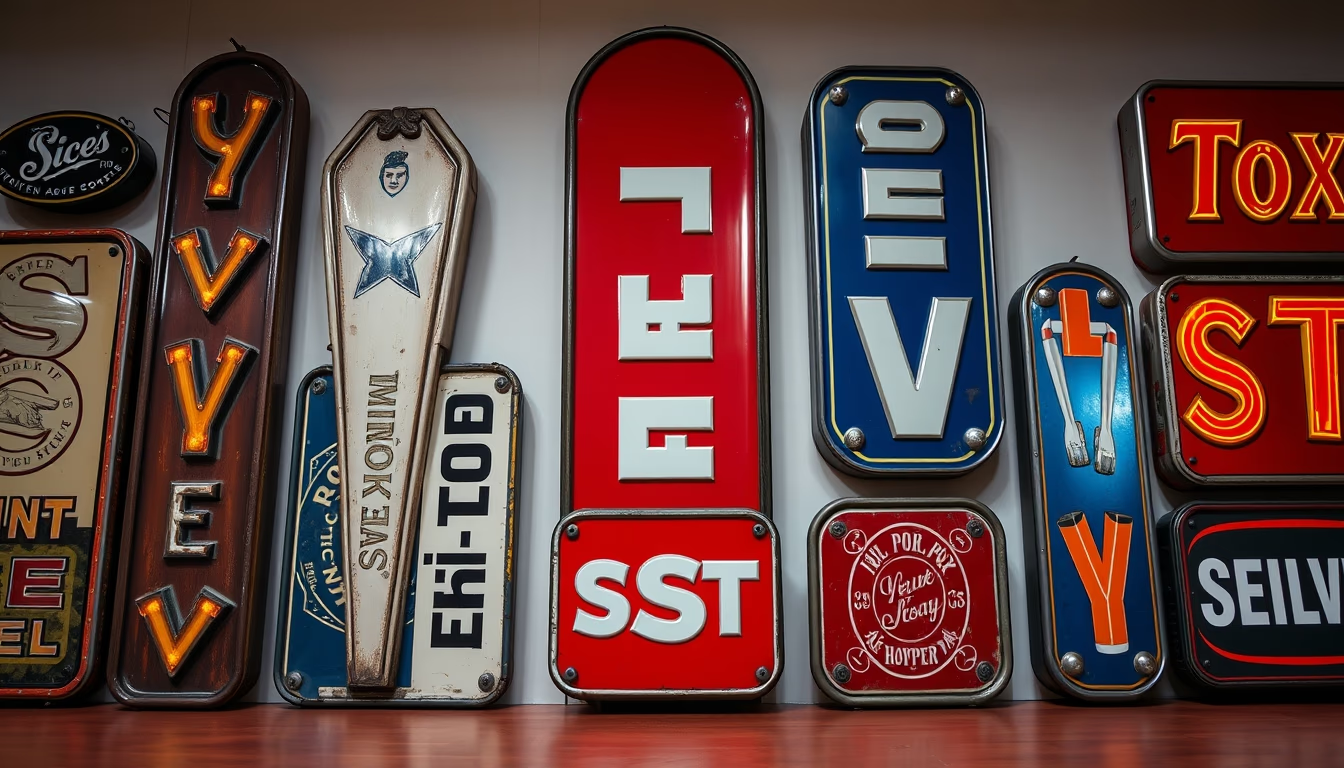
A row of vintage tin advertising signs, a testament to creativity and the evolution of marketing in the 20th century.
About this subject
Tin advertising signs first appeared in the late 19th century and became widely popular from the 1920s to the 1960s. Made from tinplate (steel coated with tin), they were printed using chromolithography, a technique that produced vibrant colors and fine details. Companies selling beverages, cigarettes, motor oils, and food used these signs on facades, posts, and store interiors, creating a strong visual identity. Unlike paper posters, the metal resisted rain and sunlight, ensuring long durability.
The production involved several steps: the design was engraved on lithographic stones, then transferred to aluminum or zinc plates, and finally printed onto tin sheets. Many signs were curved or cut into creative shapes to attract attention. Brands such as Coca-Cola, Shell, and Campari heavily invested in this format, which spread worldwide. Today, these objects are collectible items valued for their retro design and history.
In Brazil, tin advertising also had a strong presence. Brewers like Brahma and Antarctica, as well as soft drink producers such as Guaraná Antarctica, made signs that are now coveted by antique dealers. Antique fairs and online auctions generate significant sums for rare pieces, especially those in good condition. The vintage aesthetic of these signs also inspires contemporary décor, reinterpreting symbols from a pre-digital era.
Beyond nostalgia, these signs represent an important chapter in visual communication history. They document the evolution of logos, typography, and sales strategies. Modern companies sometimes recreate the vintage style to evoke trust and tradition. Preserving and studying these pieces is essential to understand how advertising shaped consumption and popular culture throughout the 20th century.
Frequently Asked Questions
What is the origin of tin advertising signs?
They emerged in the late 19th century with the improvement of lithography and tinplate production, enabling colorful and durable prints for billboards and storefronts.
How were these signs manufactured?
Chromolithography was used: the design was engraved on stone, transferred to metal plates, and printed onto tin sheets, which were then cut and shaped.
Why are they considered collectible items?
For their retro design, rarity, and historical value. Well-preserved pieces from famous brands can fetch high prices at auctions and antique fairs.
Direct URL
https://pub-c7d6a6ea828543ac903a74a341ccb2e1.r2.dev/imagens/tin-advertising-signs-row-studio-still-life-fresh7.avifHow to credit
Include a visible link back to UtilizAí. Copy one of the snippets below:
<a href="https://xn--utiliza-eza.com/en/midia/imagens/tin-advertising-signs-row-studio-still-life-fresh7">Tin advertising signs row</a> by <a href="https://xn--utiliza-eza.com">UtilizAí</a>, licensed under <a href="https://creativecommons.org/licenses/by/4.0/">CC BY 4.0</a>.
[Tin advertising signs row](https://xn--utiliza-eza.com/en/midia/imagens/tin-advertising-signs-row-studio-still-life-fresh7) by [UtilizAí](https://xn--utiliza-eza.com), CC BY 4.0
License: CC-BY-4.0