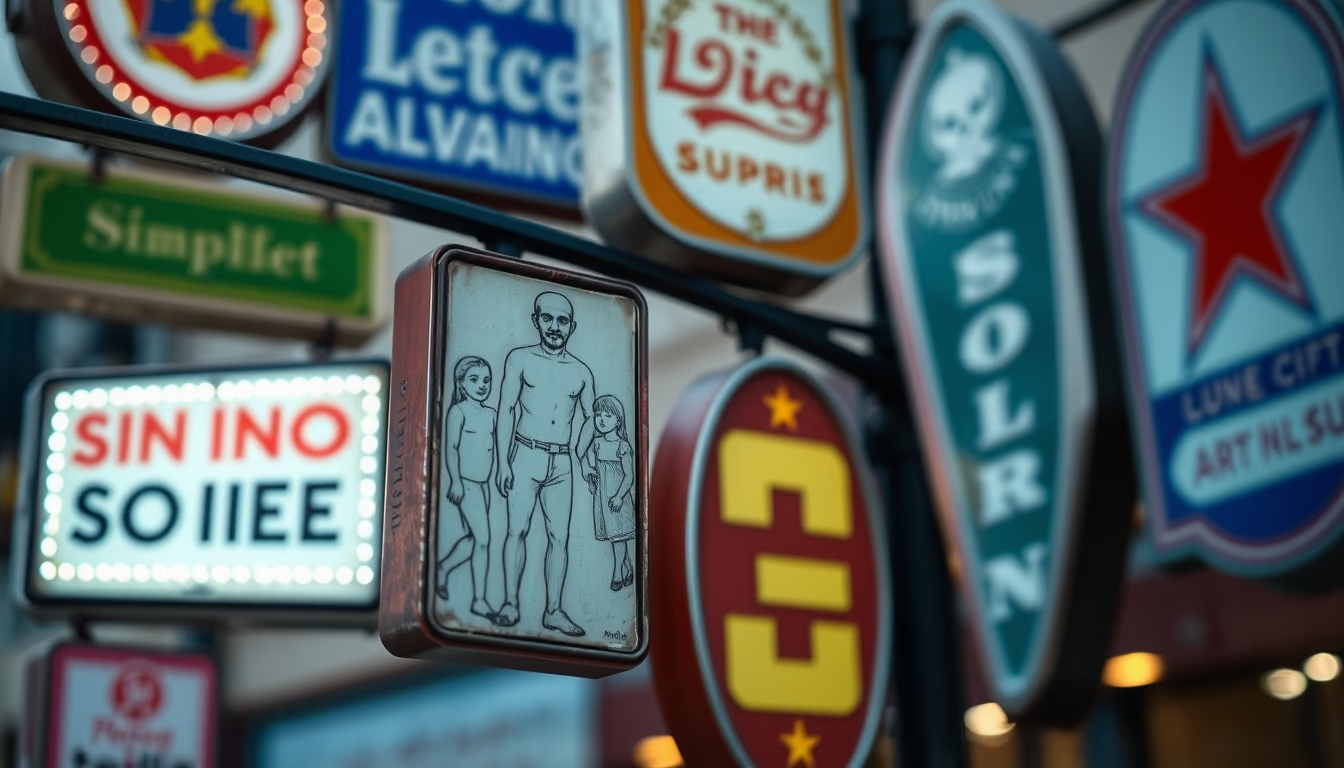
Tin advertising signs row
1344×768 · AVIF · CC BY 4.0

Rows of tin advertising signs, a hallmark of early 20th-century commercial propaganda, now preserved as folk art.
About this subject
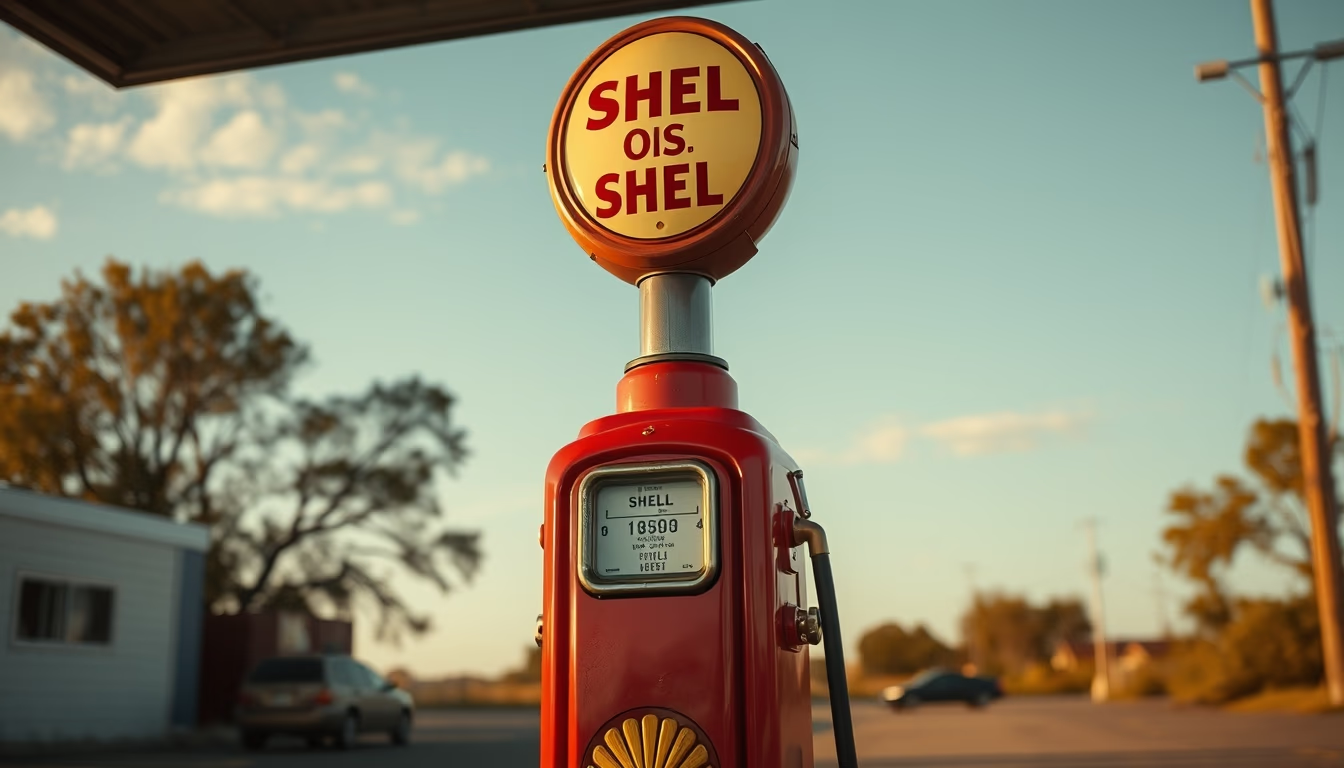
Tin advertising signs dominated commercial landscapes between 1880 and 1950, especially in the United States and Europe. Made from tinplate (steel coated with tin), they were durable, cheap, and capable of colorful lithographic printing. Brands of soda, medicine, tobacco, and motor oil competed for space on the facades of grocery stores and gas stations.
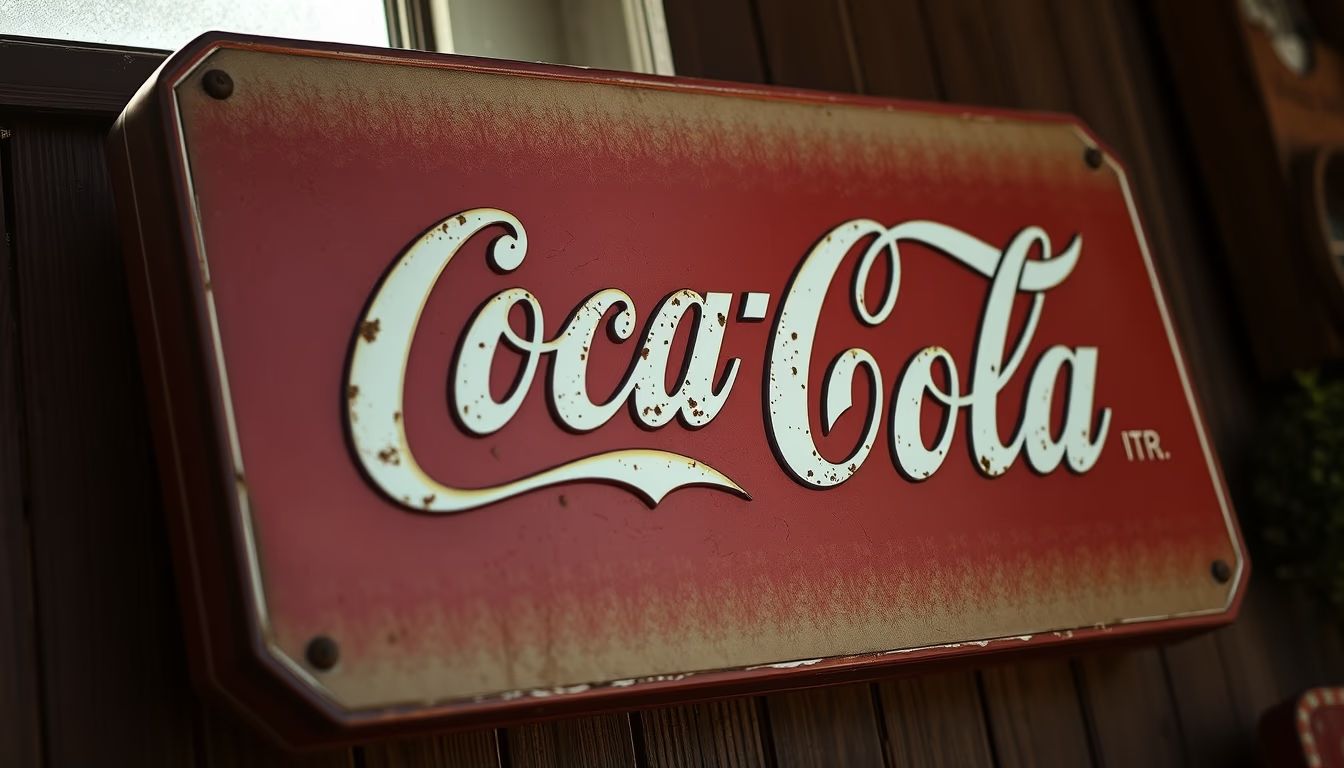
In Brazil, these signs were also widely used, particularly for products like Coca-Cola, Guaraná Antarctica, and remedies of the time. Many were hung in horizontal rows, creating a vibrant visual effect that attracted illiterate or semi-literate consumers.
Today, they are highly valued collector's items. Antique fairs and specialized auctions sell rare examples for thousands of reais. Condition, brand rarity, and graphic art determine the price. Some retro restaurants and stores recreate this aesthetic to evoke nostalgia.
The printing technique involved chromolithography on metal, a process requiring several colors applied by hand. Thus, each sign is unique, with slight color and registration variations. The graphic style reflects Art Deco and Art Nouveau influences, with elaborate typography and detailed illustrations.
Frequently Asked Questions
What makes a tin advertising sign valuable?
Value depends on condition, brand rarity, artistic quality, and age. Intact signs with vivid colors and no deep rust can be worth thousands of dollars. Iconic brands like Coca-Cola or Philips are particularly sought after.
How to preserve old tin signs?
Avoid direct sun and moisture. Clean with a soft dry cloth; do not use chemicals. For surface rust, mineral oil can help. Ideally, keep them in a controlled environment away from temperature fluctuations.
Are tin signs still manufactured today?
Yes, but for vintage decor or replicas. Original production ceased around 1960, replaced by plastic and vinyl. Today, some companies produce metal signs with digital printing for nostalgic purposes.
Direct URL
https://pub-c7d6a6ea828543ac903a74a341ccb2e1.r2.dev/imagens/tin-advertising-signs-row-long-exposure-fresh8.avifHow to credit
Include a visible link back to UtilizAí. Copy one of the snippets below:
<a href="https://xn--utiliza-eza.com/en/midia/imagens/tin-advertising-signs-row-long-exposure-fresh8">Tin advertising signs row</a> by <a href="https://xn--utiliza-eza.com">UtilizAí</a>, licensed under <a href="https://creativecommons.org/licenses/by/4.0/">CC BY 4.0</a>.
[Tin advertising signs row](https://xn--utiliza-eza.com/en/midia/imagens/tin-advertising-signs-row-long-exposure-fresh8) by [UtilizAí](https://xn--utiliza-eza.com), CC BY 4.0
License: CC-BY-4.0