Tin advertising signs row
1344×768 · AVIF · CC BY 4.0
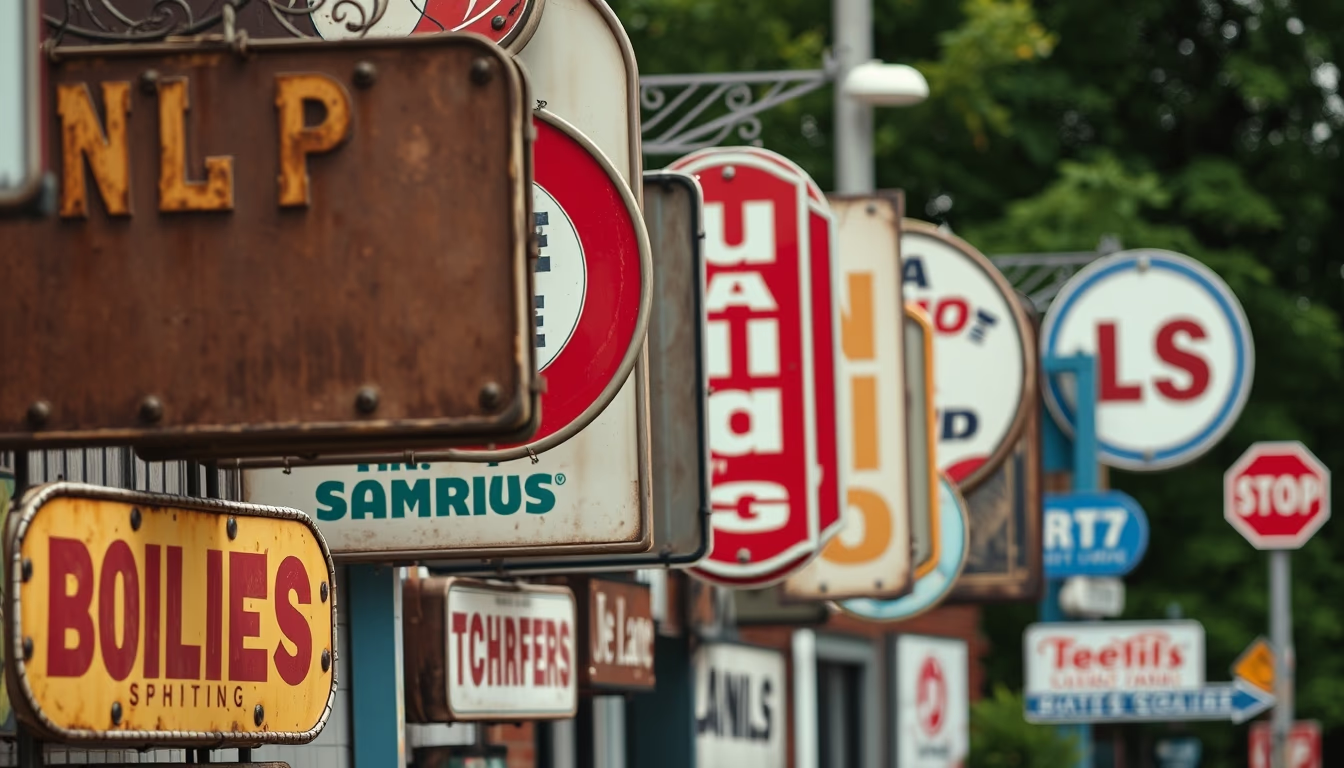
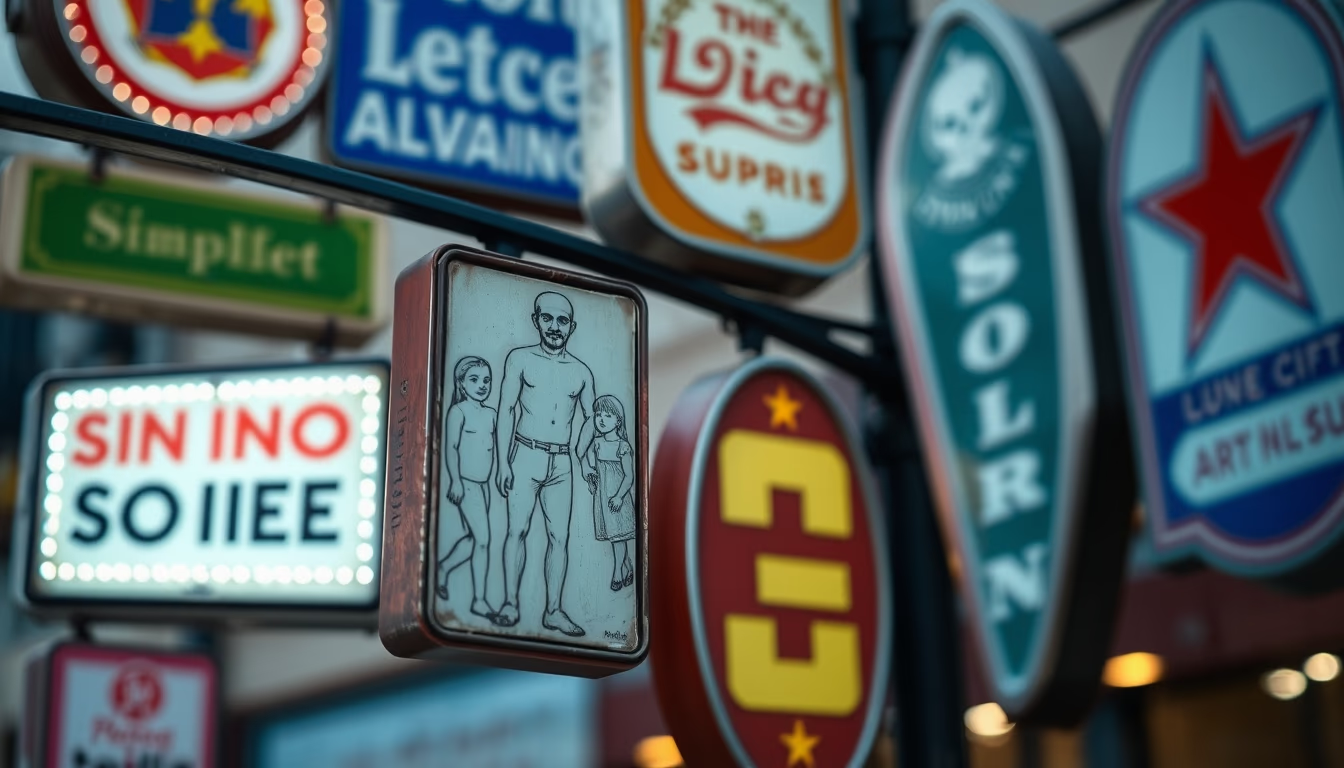
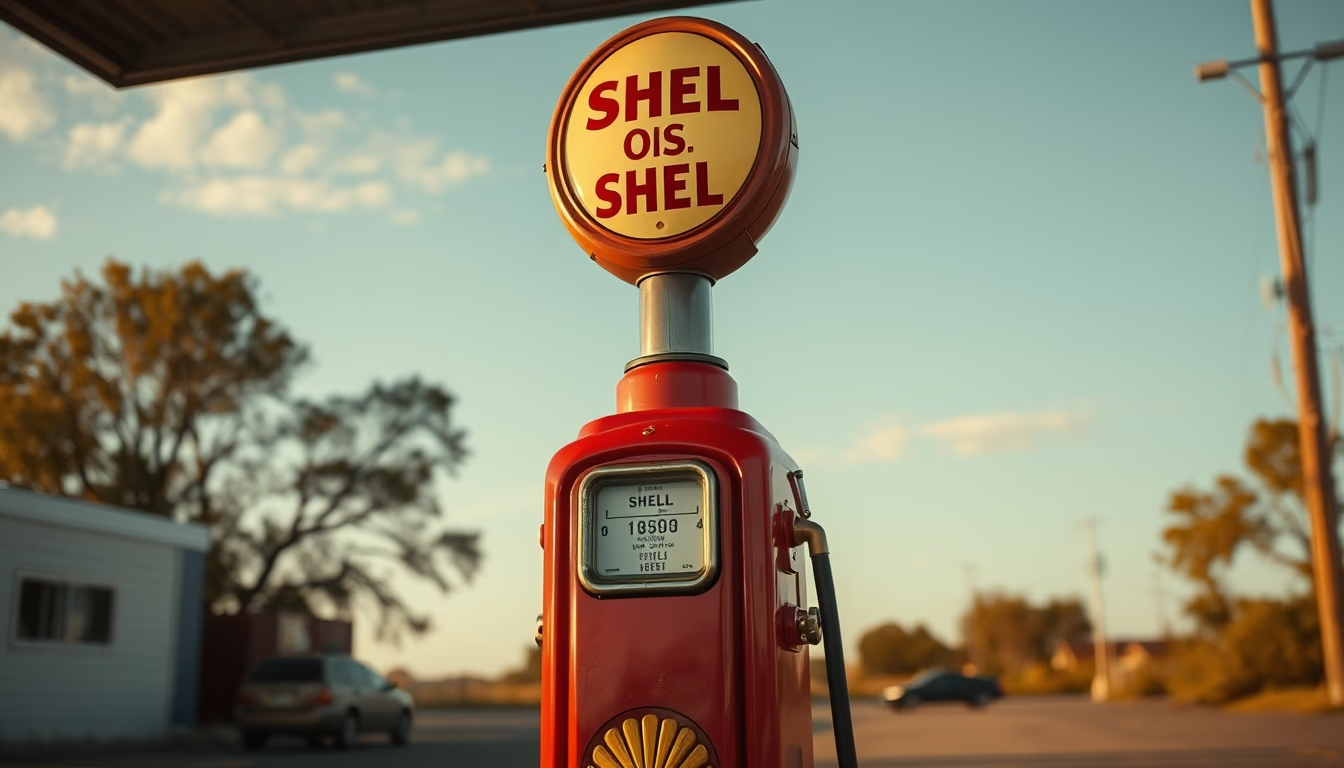
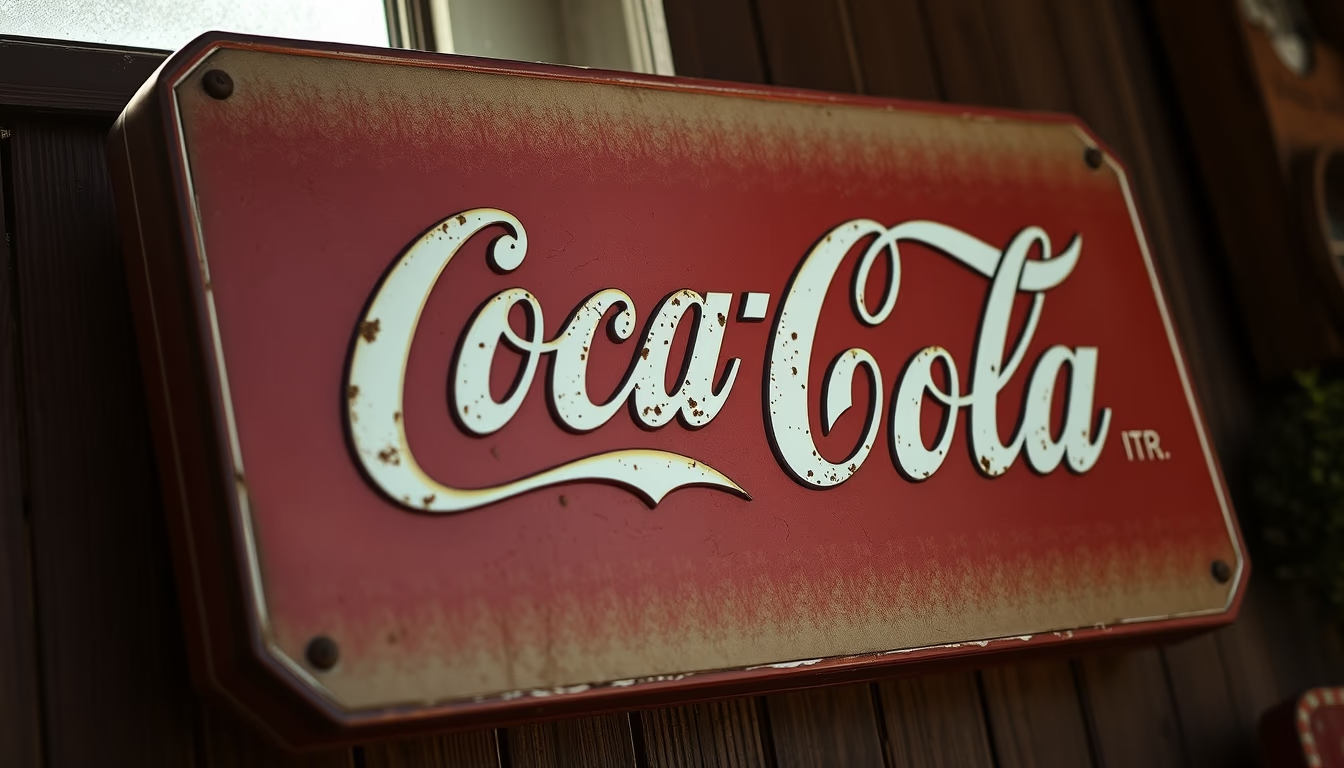
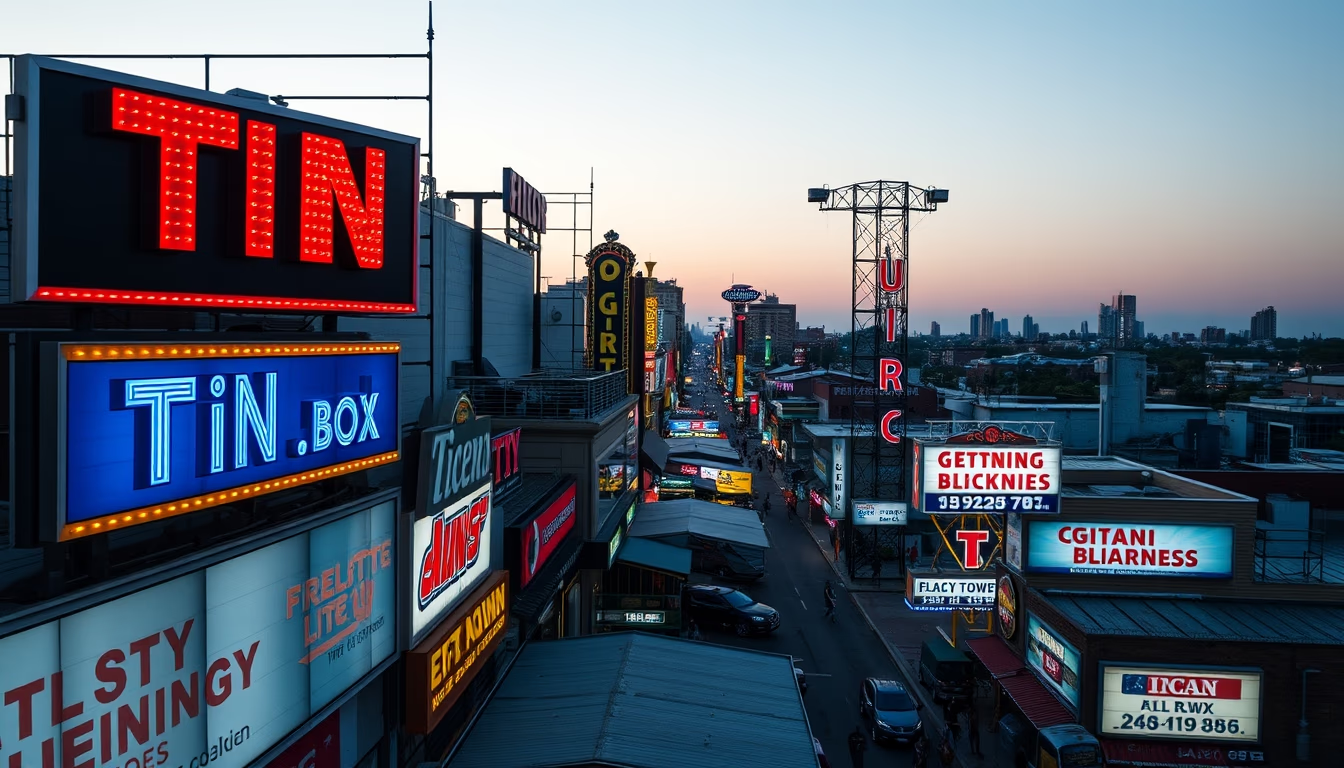
Rows of tin advertising signs marked the peak of outdoor advertising from the late 19th to mid-20th century, blending commercial art and durability.
About this subject
Tin advertising signs emerged with the development of metal lithography in the late 19th century. Made from tinned or galvanized iron sheets, they were resistant to corrosion and suitable for outdoor display. Companies like Coca-Cola, Ford, and tobacco brands widely used this medium, fixing signs on building facades, poles, and fences, creating a vibrant advertising landscape.
The production process involved lithographic or screen printing with oil-based inks, ensuring vivid colors and durability. Each sign was cut and folded, often with rolled edges for safety. Major manufacturers such as Kaufman Designs (USA) and John Wood (UK) produced thousands of models, each with unique designs to capture consumer attention.
Culturally, tin signs represent a golden age of advertising, when graphic design and typography were highly valued. Today, they are highly collectible, with rare pieces fetching thousands of dollars at auctions. Their retro aesthetic influences contemporary designers, and original signs decorate vintage spaces, bars, and nostalgic stores.
To find original tin signs, collectors frequent antique fairs, specialized auctions, and advertising museums such as the Musée de la Publicité in Paris or the American Advertising Museum. Preservation requires care: avoid excessive humidity and direct sunlight, and clean gently with a dry cloth to prevent rust.
Frequently Asked Questions
What are tin signs?
Tin signs are metal advertising placards, usually made of tinplate or galvanized iron, used from the 1890s to the 1960s to promote products like beverages, medicines, and tobacco.
Why are tin signs valuable?
They are valuable due to their rarity, artistic quality, and historical significance. Original examples from iconic brands can fetch thousands of dollars at auction.
How to preserve a tin sign?
Avoid humidity and direct sunlight. Clean with a dry, soft cloth. Do not use abrasive cleaners or water, as they can damage the paint and accelerate rusting.
Direct URL
https://pub-c7d6a6ea828543ac903a74a341ccb2e1.r2.dev/imagens/tin-advertising-signs-row-documentary-nature-style-fresh2.avifHow to credit
Include a visible link back to UtilizAí. Copy one of the snippets below:
<a href="https://xn--utiliza-eza.com/en/midia/imagens/tin-advertising-signs-row-documentary-nature-style-fresh2">Tin advertising signs row</a> by <a href="https://xn--utiliza-eza.com">UtilizAí</a>, licensed under <a href="https://creativecommons.org/licenses/by/4.0/">CC BY 4.0</a>.
[Tin advertising signs row](https://xn--utiliza-eza.com/en/midia/imagens/tin-advertising-signs-row-documentary-nature-style-fresh2) by [UtilizAí](https://xn--utiliza-eza.com), CC BY 4.0
License: CC-BY-4.0