Tin advertising signs row
1344×768 · AVIF · CC BY 4.0
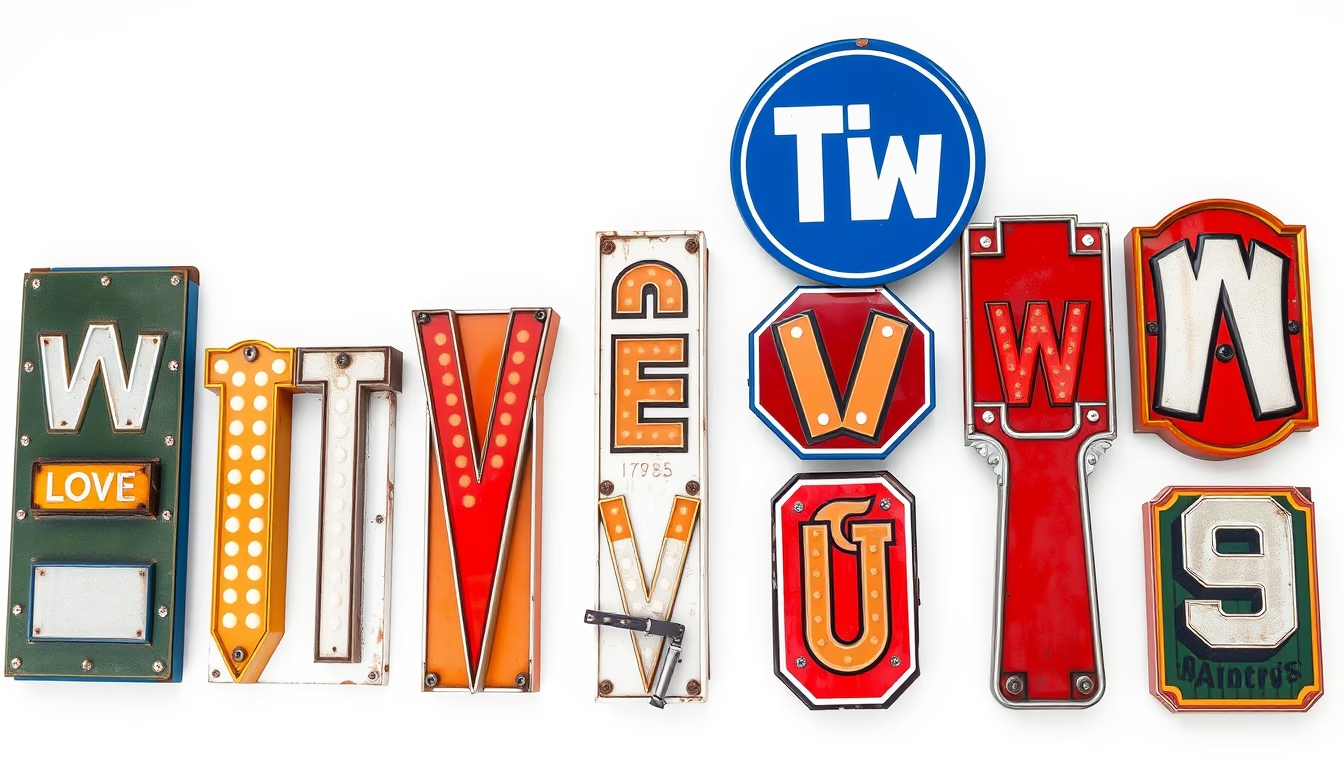
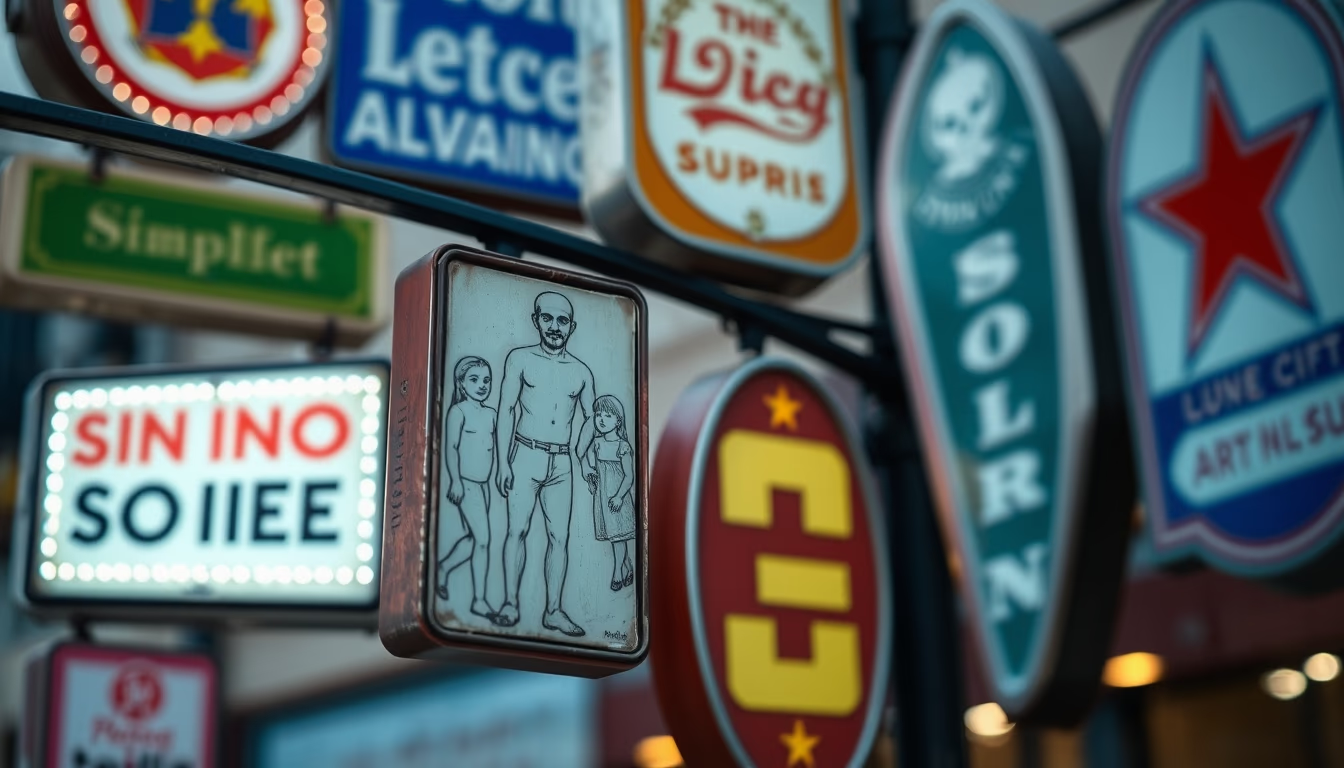
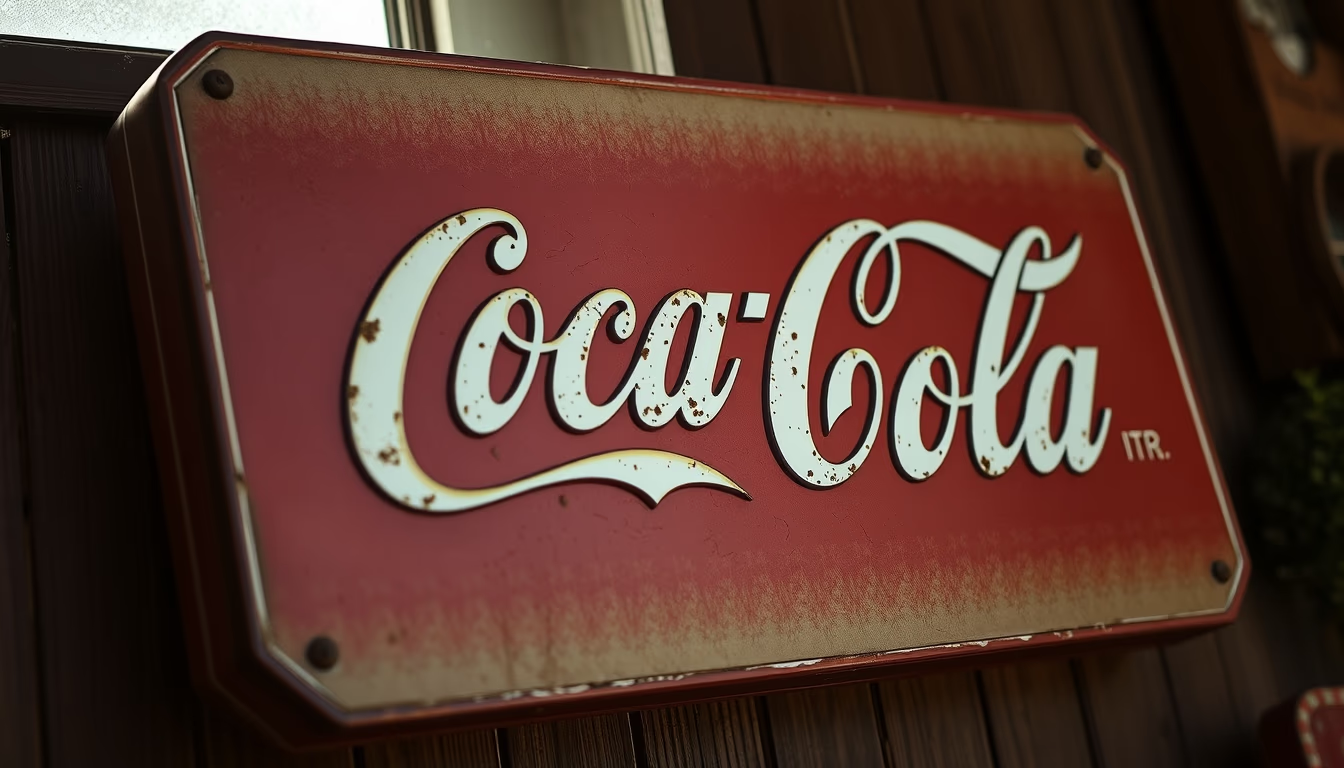
A row of vintage tin advertising signs showcasing the evolution of 20th-century commercial advertising, from soda brands to motor oils.
About this subject
Beyond monetary value, these signs are cultural artifacts that reflect graphic design trends, consumer habits, and social history. A row of them, as seen in the image, creates a timeline of commercial nostalgia, each sign telling a brand's story from a bygone era.
Frequently Asked Questions
How were tin advertising signs made?
Tin signs were made from steel sheets coated with tin (tinplate). The design was printed using lithography, where ink was transferred onto the metal via presses. The sheet was then cut, edges folded, and holes punched for hanging.
What makes a tin sign valuable?
Value depends on rarity, condition (no rust, dents, or fading), brand appeal, and collector demand. Signs from popular brands like Coca-Cola or in pristine condition can be worth thousands of dollars.
How can I tell if a tin sign is original?
Check weight and sound: original signs are heavier and have a different ring. Look at printing: original lithography shows halftone dots. Seek manufacturer markings and natural wear like scratches or light oxidation.
Direct URL
https://pub-c7d6a6ea828543ac903a74a341ccb2e1.r2.dev/imagens/tin-advertising-signs-row-commercial-product-photography-fresh1.avifHow to credit
Include a visible link back to UtilizAí. Copy one of the snippets below:
<a href="https://xn--utiliza-eza.com/en/midia/imagens/tin-advertising-signs-row-commercial-product-photography-fresh1">Tin advertising signs row</a> by <a href="https://xn--utiliza-eza.com">UtilizAí</a>, licensed under <a href="https://creativecommons.org/licenses/by/4.0/">CC BY 4.0</a>.
[Tin advertising signs row](https://xn--utiliza-eza.com/en/midia/imagens/tin-advertising-signs-row-commercial-product-photography-fresh1) by [UtilizAí](https://xn--utiliza-eza.com), CC BY 4.0
License: CC-BY-4.0