Thermal paste application
1344×768 · AVIF · CC BY 4.0
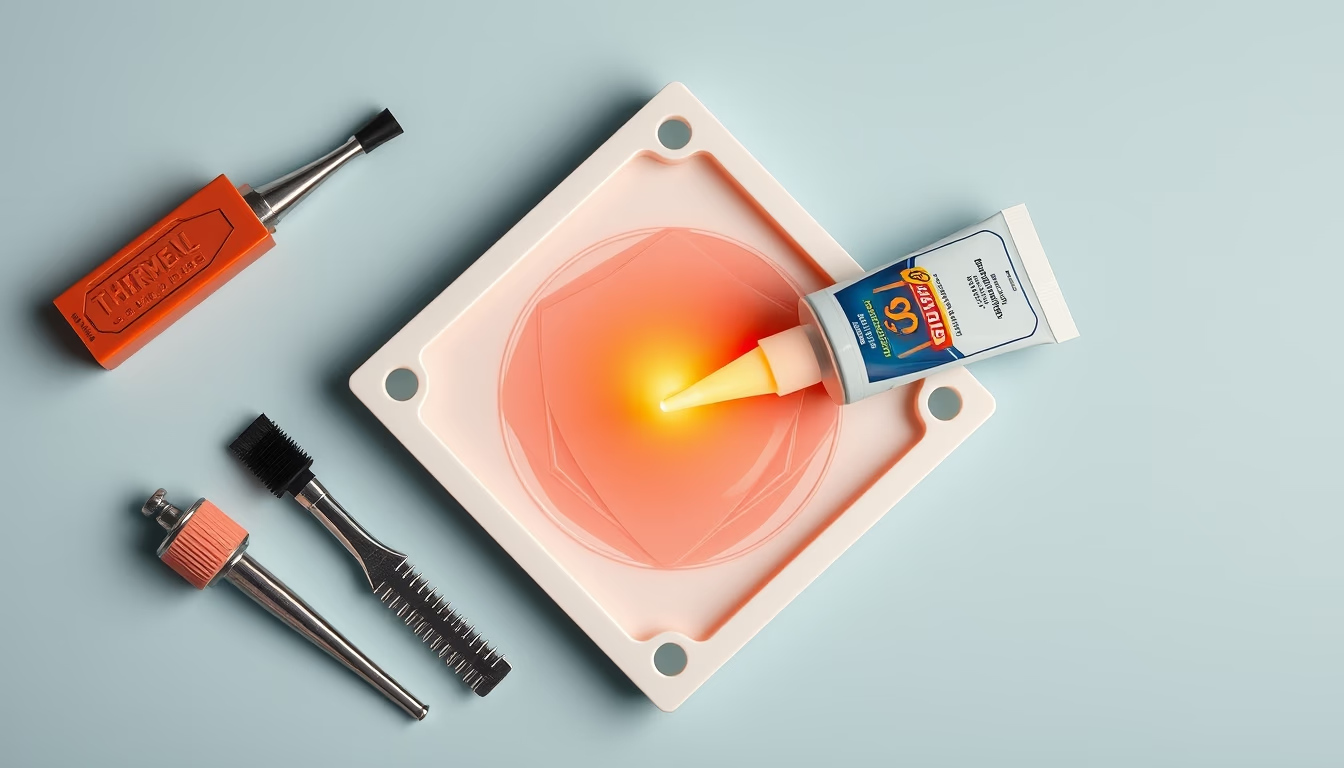
Thermal paste application is essential to ensure heat transfer between the processor and cooler, preventing overheating and hardware damage.
About this subject
Thermal paste, also known as thermal compound, is a heat-conductive material applied between the processor (CPU or GPU) and the cooler base. Its primary role is to fill microscopic imperfections on metal surfaces, eliminating air gaps that act as thermal insulators. Without proper application, system performance can suffer due to overheating, reducing component lifespan.
Composition varies: silicone-based, ceramic, or liquid metal compounds are common. Metal-based pastes offer highest conductivity but require caution as they are electrically conductive. Application methods include the pea dot (a small grain in the center), the line method, or manual spreading. The ideal amount is roughly the size of a pea or a grain of rice, excess can leak, while too little reduces efficiency.
In PC building, thermal paste is a maintenance item. Replacement every two to three years or whenever the cooler is removed is recommended. High-quality pastes can lower CPU temperatures by up to 10°C, enabling more stable overclocking. Brands like Arctic, Noctua, and Thermal Grizzly are well-regarded, with thermal conductivity measured in W/mK.
Common mistakes include over-application or using inappropriate substitutes like toothpaste or glue, which can damage the motherboard. Old paste should be removed with isopropyl alcohol and lint-free cloths. For enthusiasts, liquid metal pastes offer top performance but require careful isolation of nearby electrical contacts.
Frequently Asked Questions
How much thermal paste should be applied?
A pea-sized or rice-grain amount placed in the center of the processor is ideal. The cooler's pressure and heat will spread it evenly.
Does thermal paste need periodic replacement?
Yes, replace thermal paste every two to three years or whenever the cooler is removed, as it can dry out and lose effectiveness over time.
Can conductive thermal paste cause short circuits?
Liquid metal pastes are conductive and can short circuit if they contact electrical components. Non-conductive pastes (silicone, ceramic) are safe for general use.
Direct URL
https://pub-c7d6a6ea828543ac903a74a341ccb2e1.r2.dev/imagens/thermal-paste-application-isometric-flat-lay-p1.avifHow to credit
Include a visible link back to UtilizAí. Copy one of the snippets below:
<a href="https://xn--utiliza-eza.com/en/midia/imagens/thermal-paste-application-isometric-flat-lay-p1">Thermal paste application</a> by <a href="https://xn--utiliza-eza.com">UtilizAí</a>, licensed under <a href="https://creativecommons.org/licenses/by/4.0/">CC BY 4.0</a>.
[Thermal paste application](https://xn--utiliza-eza.com/en/midia/imagens/thermal-paste-application-isometric-flat-lay-p1) by [UtilizAí](https://xn--utiliza-eza.com), CC BY 4.0
License: CC-BY-4.0