Thanksgiving harvest decoration
1344×768 · AVIF · CC BY 4.0
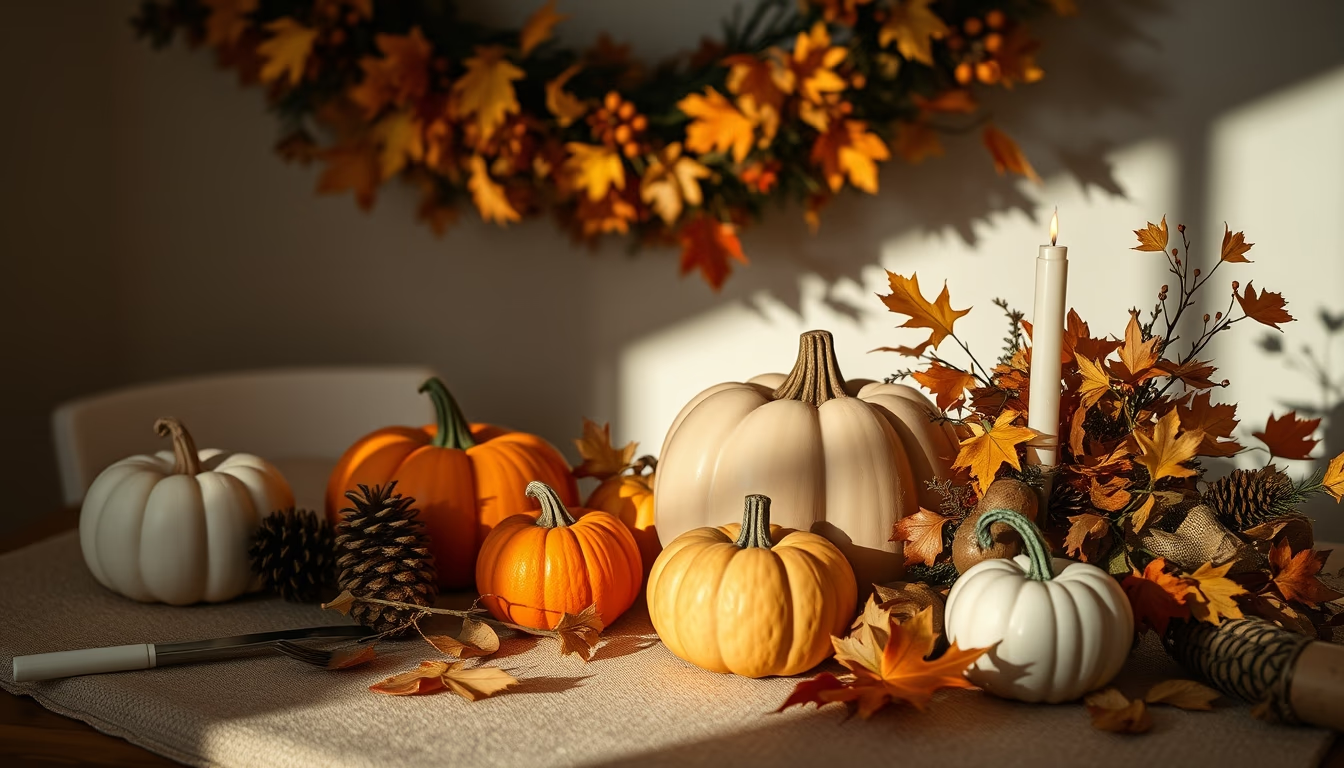
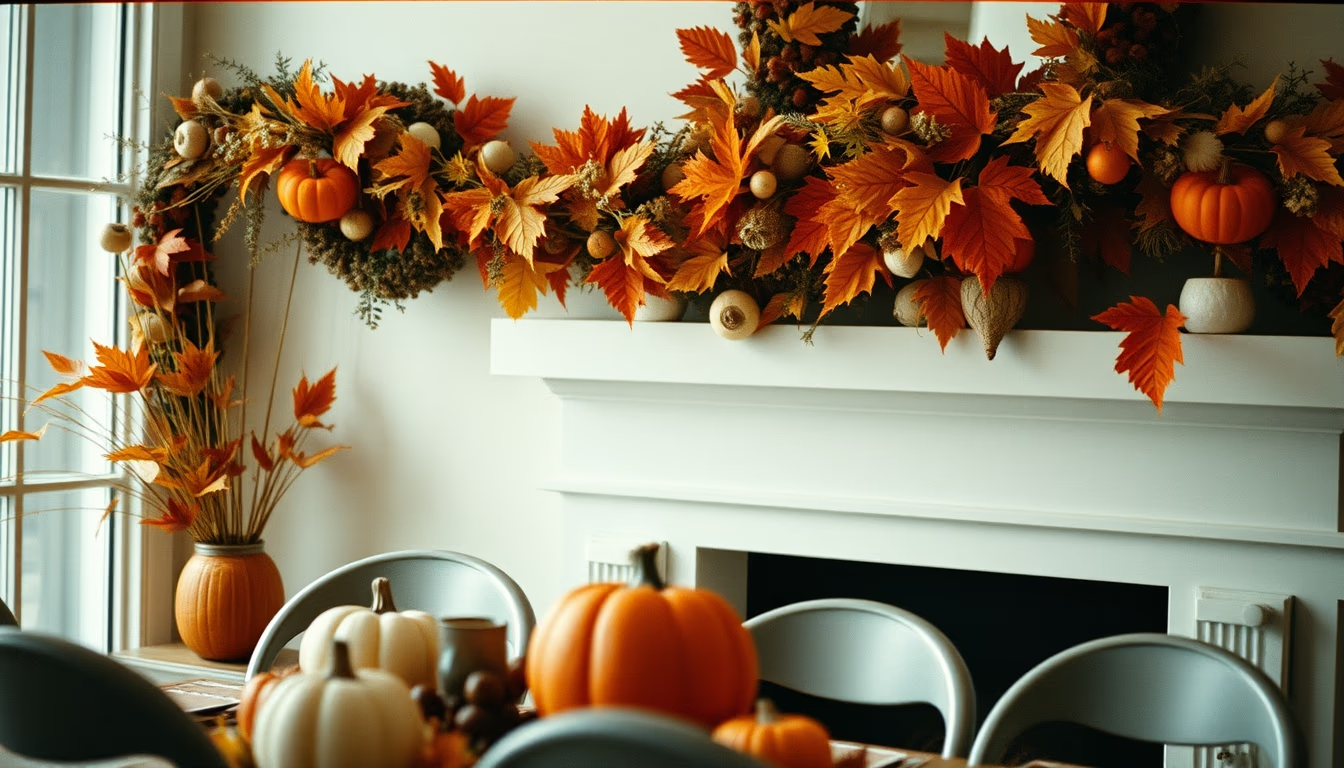
Thanksgiving harvest decorations combine pumpkins, corn, and dried leaves to celebrate gratitude for the autumn harvest.
About this subject
Thanksgiving harvest decorations trace back to the first harvest festival in 1621, when Plymouth pilgrims and the Wampanoag natives shared a meal of thanks. Since then, elements like pumpkins, gourds, corncobs, and autumn leaves have become iconic symbols. The cornucopia, or horn of plenty, is one of the most traditional arrangements, representing the abundance of the earth. In the United States, the holiday is celebrated on the fourth Thursday of November, and homemade decorations are an essential part of festivities, often displayed on tables or at home entrances.
Typical arrangements include candles in earthy tones, wreaths of dried leaves and pine branches, as well as centerpieces with seasonal fruits like apples and pears. In recent years, a minimalistic decoration trend has incorporated natural elements such as wooden logs and vegetable fibers. The predominant colors are orange, brown, gold, and red, evoking autumn. In many communities, decorations also have a communal aspect, with displays in squares and churches.
Interestingly, turkey, the main dish of the meal, rarely appears in decorations, which focus on harvest produce. The tradition of using pumpkins was influenced by Native American culture, as they already cultivated them before colonization. Additionally, ornamental corn, with its varied colors, is used both in wreaths and vases. These decorations not only adorn homes but also serve as a visual reminder of the importance of gratitude and sharing, core values of the holiday.
Frequently Asked Questions
What are the most common elements in Thanksgiving harvest decorations?
Pumpkins, gourds, corncobs, autumn leaves, candles, pine wreaths, and the cornucopia are the most traditional items. The predominant colors are orange, brown, gold, and red.
Why is turkey not used in decorations, but only in the meal?
Turkey is the main dish, but decorations focus on harvest symbols like fruits and vegetables, representing the earth's abundance. Turkey lacks the same visual or symbolic appeal for decorative arrangements.
What is the historical origin of the cornucopia in Thanksgiving decorations?
The cornucopia dates back to Greek and Roman mythology, symbolizing abundance. It was incorporated into American traditions in the 19th century, especially through Thanksgiving illustrations, becoming popular as a centerpiece filled with fruits and grains.
Direct URL
https://pub-c7d6a6ea828543ac903a74a341ccb2e1.r2.dev/imagens/thanksgiving-harvest-decoration-magazine-editorial-fresh13.avifHow to credit
Include a visible link back to UtilizAí. Copy one of the snippets below:
<a href="https://xn--utiliza-eza.com/en/midia/imagens/thanksgiving-harvest-decoration-magazine-editorial-fresh13">Thanksgiving harvest decoration</a> by <a href="https://xn--utiliza-eza.com">UtilizAí</a>, licensed under <a href="https://creativecommons.org/licenses/by/4.0/">CC BY 4.0</a>.
[Thanksgiving harvest decoration](https://xn--utiliza-eza.com/en/midia/imagens/thanksgiving-harvest-decoration-magazine-editorial-fresh13) by [UtilizAí](https://xn--utiliza-eza.com), CC BY 4.0
License: CC-BY-4.0