Thanksgiving harvest decoration
1344×768 · AVIF · CC BY 4.0

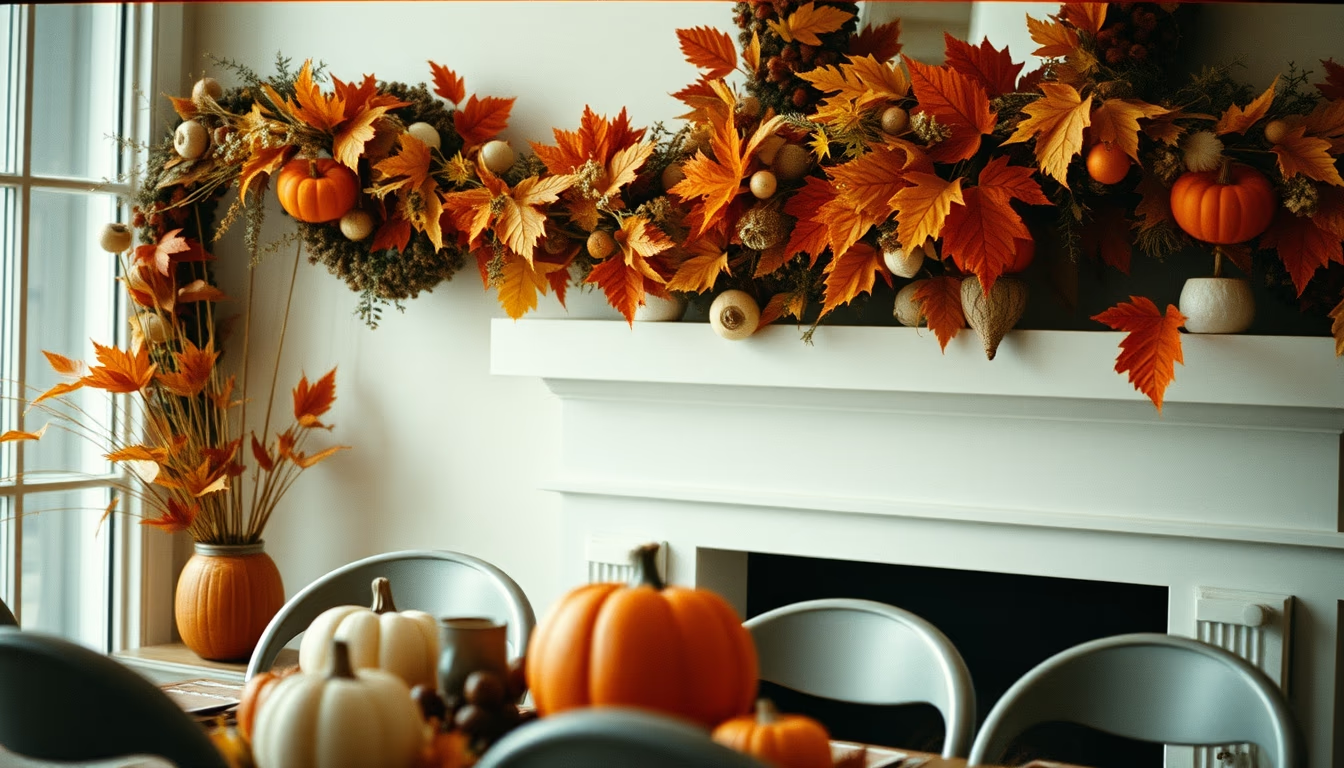
Thanksgiving harvest decoration combines fruits, vegetables and foliage in arrangements that celebrate autumn's bounty.
About this subject
Thanksgiving harvest decoration is a North American tradition dating back to the 17th century, inspired by the celebrations of Pilgrims and Native Americans. Typical arrangements include the cornucopia, a symbol of abundance, filled with pumpkins, corn, apples, and grapes. Warm autumn colors dominate: orange, brown, gold, and red. Dried oak and maple leaves, wheat stalks, and dried corn cobs are common, creating a rustic aesthetic that evokes the harvest. Today, decorations extend beyond tables to adorn fireplaces, doors, and centerpieces. In the United States, Thanksgiving is celebrated on the fourth Thursday of November, and the decoration reflects gratitude for harvested foods. Interestingly, the pumpkin, an icon of the date, was called "pumpkin" by colonists and used both in decoration and recipes like pumpkin pie. Autumn wreaths, made with branches and dried fruits, are popular and often complemented with candles and burlap ribbons. The tradition has expanded globally, with adaptations in countries that also celebrate gratitude for the harvest, such as Canada (second Monday of October). Elements like scarecrows and miniature decorative pumpkins are common at fairs and festivals. Beyond the aesthetic, the decoration carries symbolism: the cornucopia represents prosperity, apples signify health, and corn stands for the continuity of life. These arrangements are created by families and decorators, with regional variations: in New England, maple leaves and cranberries predominate; in the South, walnuts and pecans are more commonly used.
Frequently Asked Questions
What are the essential elements of a Thanksgiving harvest decoration?
Essential elements include a cornucopia (horn of plenty) filled with pumpkins, corn, apples, and grapes; dried autumn leaves; wheat stalks; dried corn cobs; candles and burlap ribbons. Typical colors are orange, brown, gold, and red.
What is the historical origin of Thanksgiving decoration?
The tradition dates back to 17th-century celebrations by Pilgrims and Native Americans, who used harvested fruits and vegetables to give thanks. The cornucopia, a Greek symbol of abundance, was adopted by American colonists.
How does Thanksgiving decoration vary across U.S. regions?
In New England, maple leaves and cranberries are common. In the South, walnuts, pecans, and citrus fruits are more used. In the Midwest, corn and wheat predominate, reflecting local agriculture.
Direct URL
https://pub-c7d6a6ea828543ac903a74a341ccb2e1.r2.dev/imagens/thanksgiving-harvest-decoration-documentary-nature-style-fresh15.avifHow to credit
Include a visible link back to UtilizAí. Copy one of the snippets below:
<a href="https://xn--utiliza-eza.com/en/midia/imagens/thanksgiving-harvest-decoration-documentary-nature-style-fresh15">Thanksgiving harvest decoration</a> by <a href="https://xn--utiliza-eza.com">UtilizAí</a>, licensed under <a href="https://creativecommons.org/licenses/by/4.0/">CC BY 4.0</a>.
[Thanksgiving harvest decoration](https://xn--utiliza-eza.com/en/midia/imagens/thanksgiving-harvest-decoration-documentary-nature-style-fresh15) by [UtilizAí](https://xn--utiliza-eza.com), CC BY 4.0
License: CC-BY-4.0