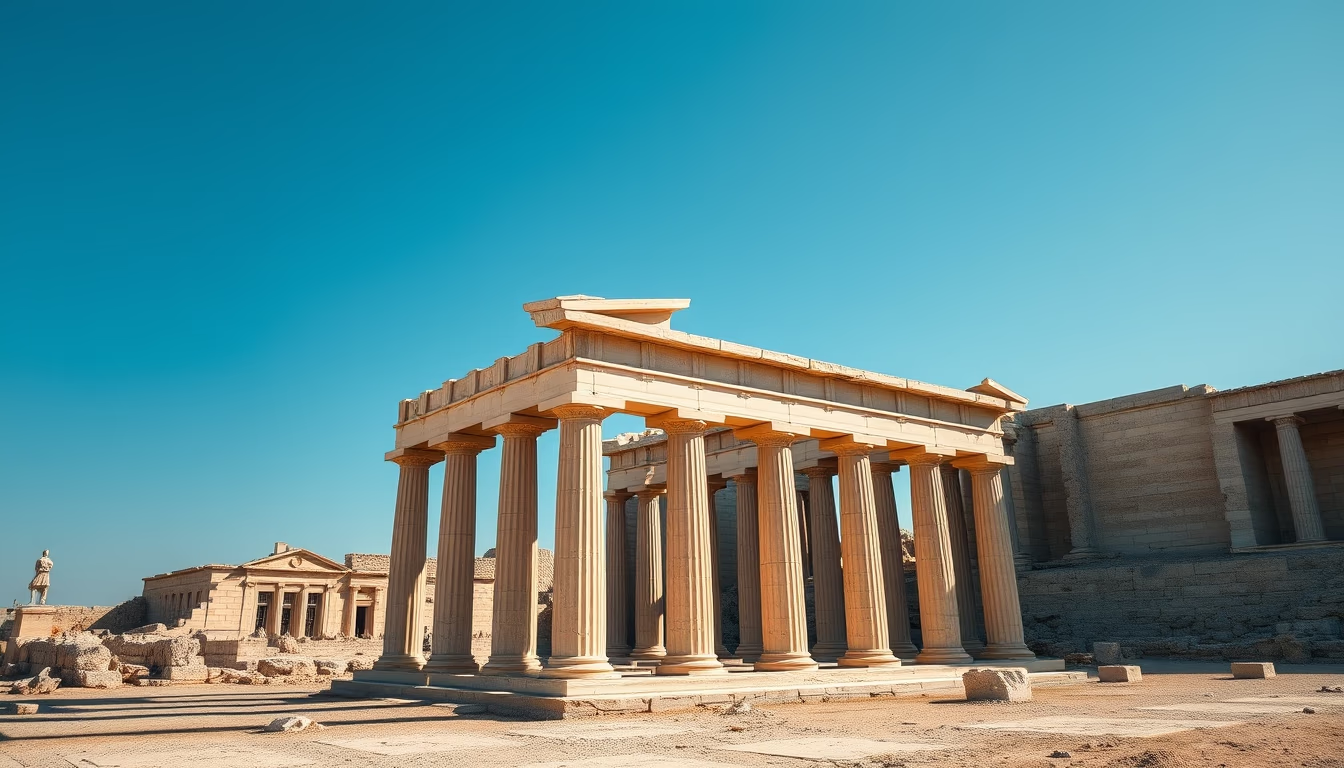
Temple columns ancient
1344×768 · AVIF · CC BY 4.0
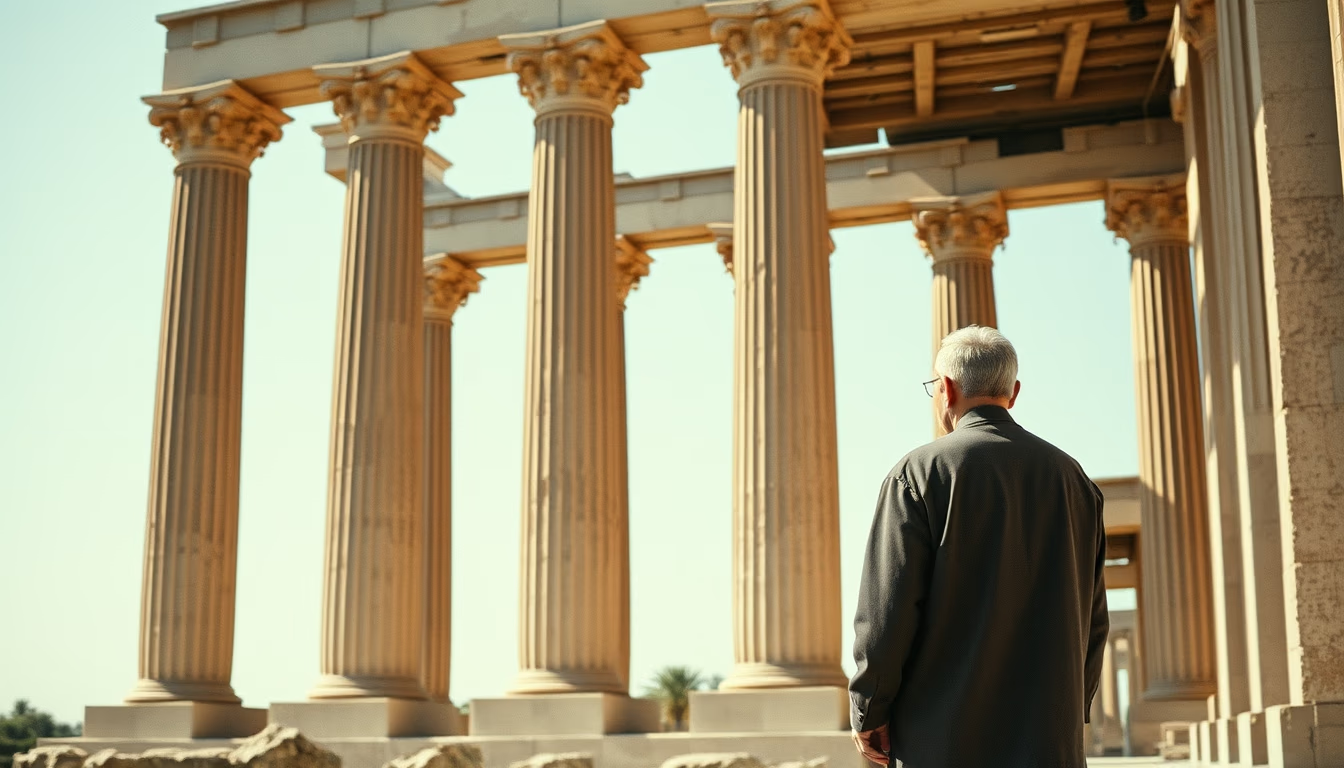
Ancient temple columns, such as Greek and Roman ones, are architectural landmarks that withstand time and tell stories of civilizations.
About this subject
The columns of ancient temples represent one of the most iconic elements of classical architecture. Originating in Egypt, Greece, and Rome, these structures not only supported the weight of buildings but also symbolized power and divinity. In Egypt, columns were often carved with plant motifs such as papyrus and lotus, while Greeks developed the Doric, Ionic, and Corinthian orders, each with unique proportions and details. Romans, in turn, incorporated Greek elements and created the Composite style, combining Ionic volutes with Corinthian acanthus leaves.
Building these columns required technical skill and knowledge of materials. Greeks used white marble, while Romans preferred concrete faced with marble or travertine. Carving the flutes and capitals was done manually with tools like chisels and hammers. Many temples, such as the Parthenon in Athens and the Pantheon in Rome, boast columns that still impress with their precision and elegance. Preserving these monuments allows us to study construction techniques and understand ancient religious and political life.
Interestingly, the influence of ancient columns spans centuries. The Renaissance revived classical orders, and neoclassicists like Palladio applied them to churches and palaces. In Brazil, the Teatro Municipal of Rio de Janeiro and the Cathedral of Brasília feature columns inspired by Greco-Roman models. Even today, contemporary architects revisit these forms, proving the timelessness of this legacy. The film grain texture, mentioned in the tags, evokes the authentic visual of these structures, as if seen through a historical lens.
Frequently Asked Questions
What are the main orders of classical architecture columns?
The three Greek orders are Doric, Ionic, and Corinthian. Romans added the Composite order, combining Ionic and Corinthian elements.
What was the importance of columns in ancient temples?
Beyond supporting the structure, columns had symbolic meaning, representing gods or kings. They also guided circulation and aesthetics of sacred spaces.
How do ancient columns influence modern architecture?
The neoclassical style and many contemporary buildings, such as museums and theaters, use columns inspired by classical orders, often reinterpreted with modern materials.
Direct URL
https://pub-c7d6a6ea828543ac903a74a341ccb2e1.r2.dev/imagens/temple-columns-ancient-film-grain-authentic-p1.avifHow to credit
Include a visible link back to UtilizAí. Copy one of the snippets below:
<a href="https://xn--utiliza-eza.com/en/midia/imagens/temple-columns-ancient-film-grain-authentic-p1">Temple columns ancient</a> by <a href="https://xn--utiliza-eza.com">UtilizAí</a>, licensed under <a href="https://creativecommons.org/licenses/by/4.0/">CC BY 4.0</a>.
[Temple columns ancient](https://xn--utiliza-eza.com/en/midia/imagens/temple-columns-ancient-film-grain-authentic-p1) by [UtilizAí](https://xn--utiliza-eza.com), CC BY 4.0
License: CC-BY-4.0