Temaki cone sushi
1344×768 · AVIF · CC BY 4.0
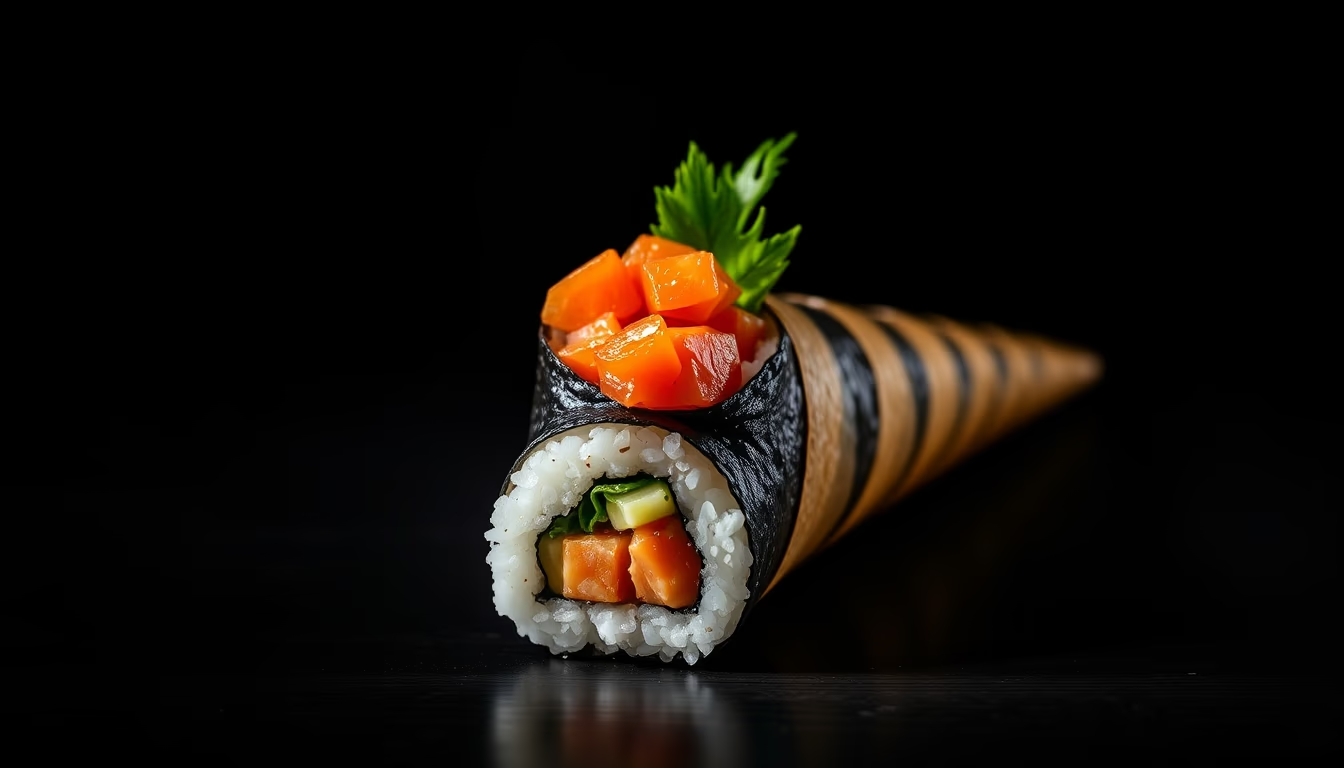
Temaki is a nori seaweed cone filled with rice and raw fish, typical of Japanese cuisine. Learn about its origin, preparation, and popular variations in Brazil.
About this subject
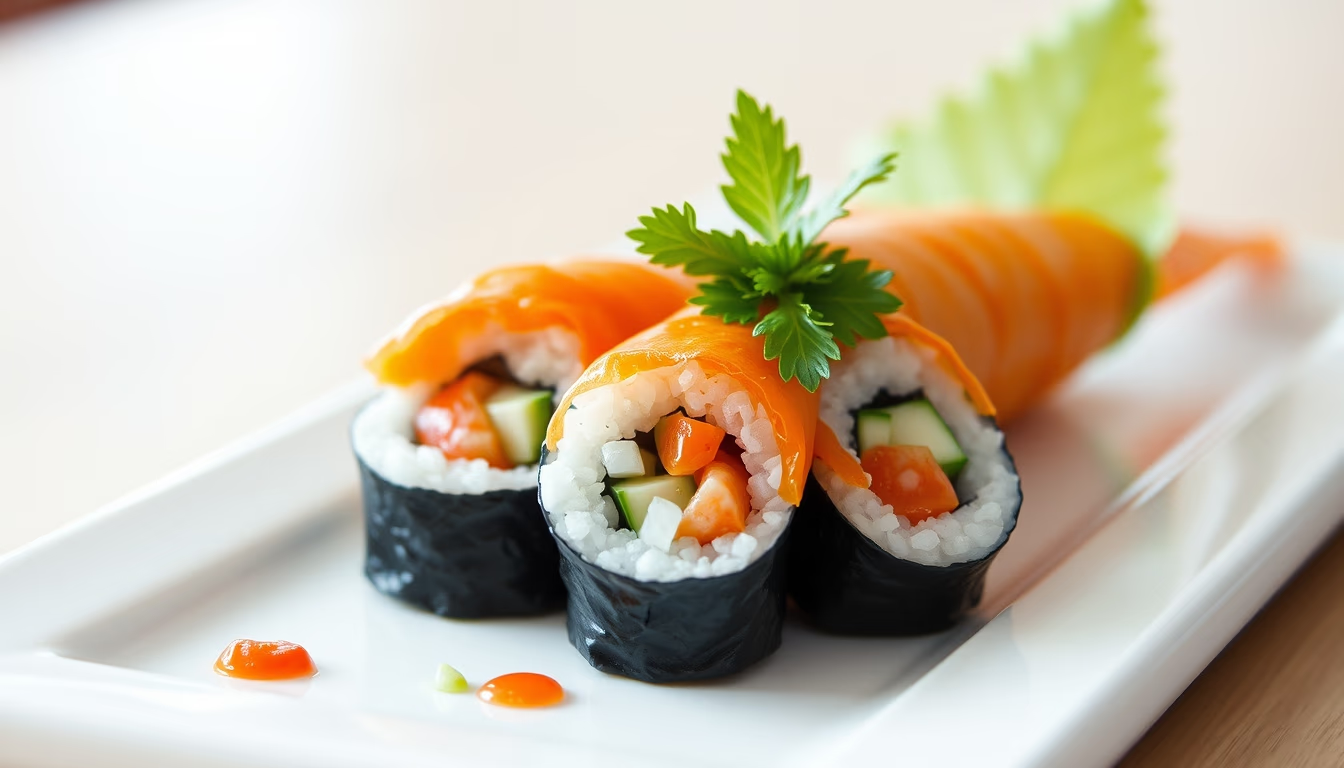
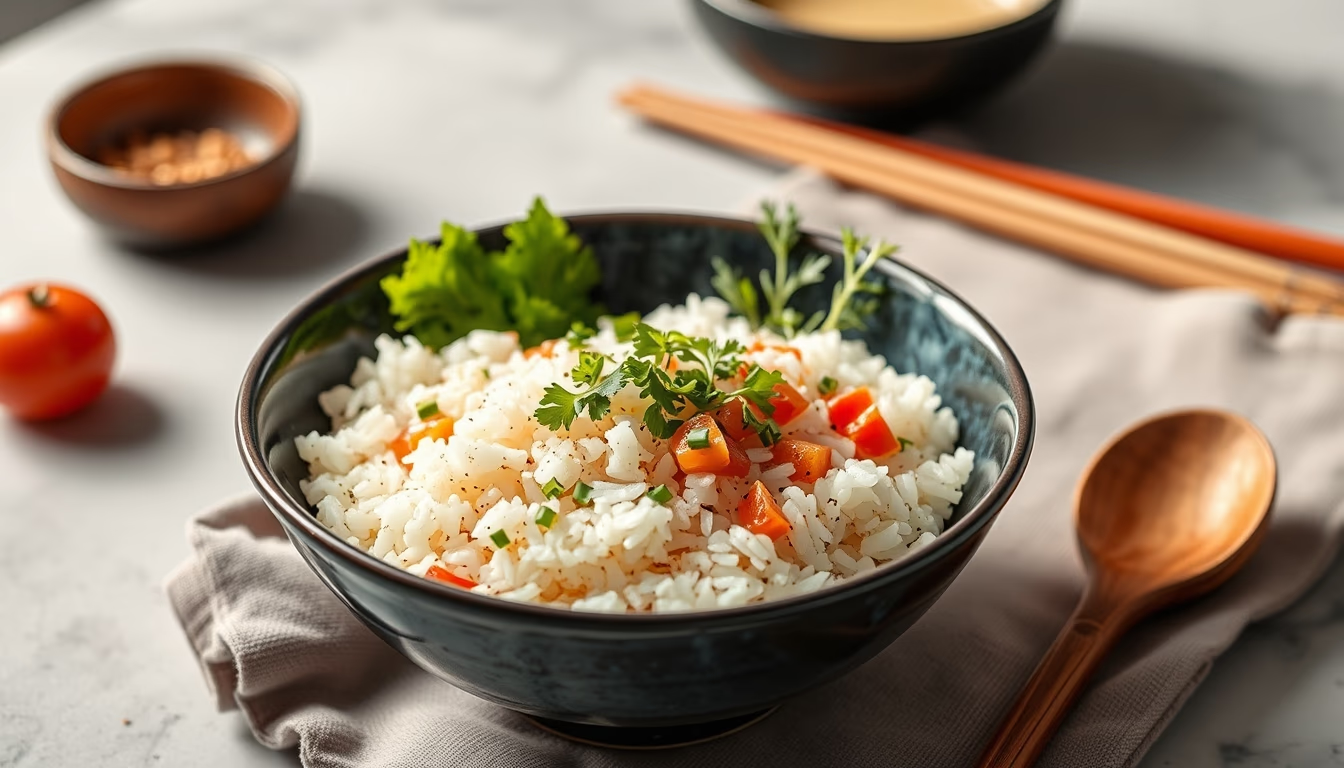
Temaki is one of the most popular sushi variations in Brazil, especially in Japanese cuisine restaurants. It is a cone made of nori seaweed, filled with seasoned rice (sushi-meshi) and ingredients such as salmon, tuna, kani crab, cucumber, and cream cheese, a local adaptation that became a classic. Unlike nigiri or maki, temaki is hand-rolled and must be eaten immediately after preparation to keep the seaweed crispy.
Originating in Japan, temaki emerged as a practical way to eat sushi at home or at festivals without the need for utensils. The word 'temaki' means 'hand-rolled' in Japanese: 'te' (hand) and 'maki' (rolled). Traditionally, the filling includes raw fish, rice, vegetables, and sometimes wasabi. In Japan, temaki is usually served on informal occasions and can be assembled by diners themselves, each building their cone with the desired combination.
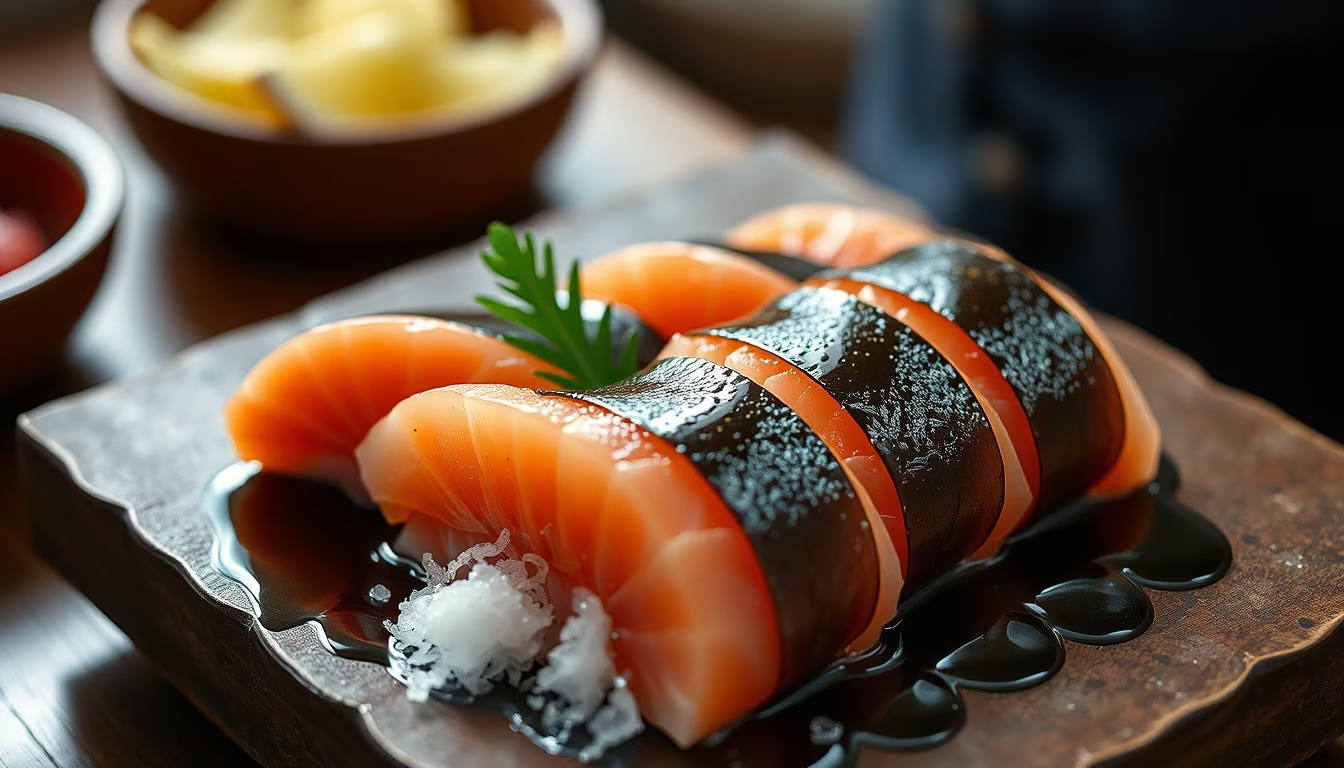
In Brazil, temaki has taken on unique characteristics. The version with cream cheese and grilled or raw salmon is the most common, but there are variations with tuna, skin (fried salmon skin), and even vegetarian options with shiitake or heart of palm. Its popularity is so high that many restaurants serve temakis as appetizers or main courses, accompanied by shoyu, pickled ginger, and wasabi. Data from the Brazilian Gastronomy Association indicates that temaki is among the ten most ordered Japanese dishes in the country.
Skill in preparing temaki lies in making it firm yet easy to hold. The nori seaweed should be lightly toasted to become crisp, and the rice must not be too wet. A curiosity: in Japan, temaki does not usually include cream cheese, it is a Western adaptation that has been very successful in Brazil and other countries such as the United States. This fusion of flavors shows how Japanese cuisine adapts to different palates without losing its essence.
Frequently Asked Questions
What is the difference between temaki and maki?
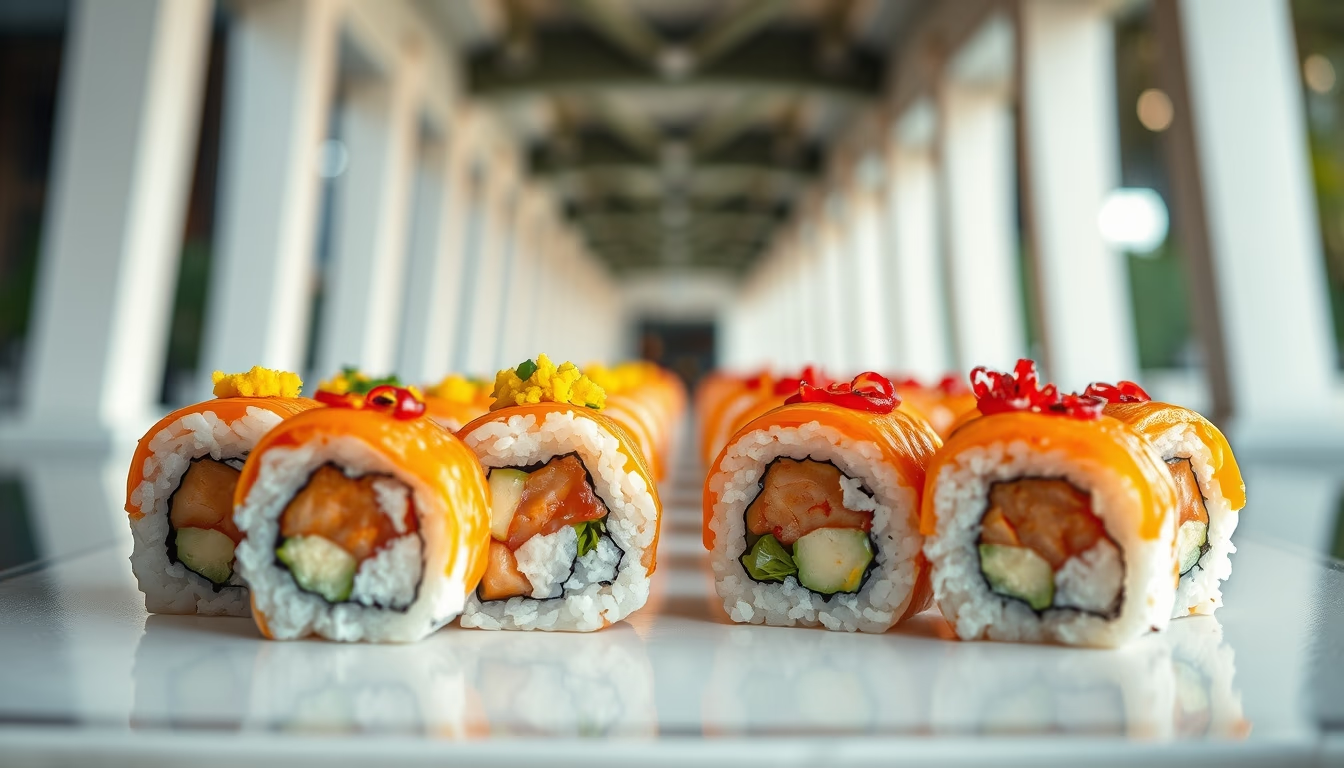
Temaki is a cone-shaped nori seaweed roll, hand-rolled and eaten whole, while maki is a cylindrical roll sliced into pieces. Temaki is served as a single cone, maki in bite-sized rounds.
Is temaki originally from Japan?
Yes, temaki is of Japanese origin, created as a convenient way to eat sushi. In Brazil, it was adapted with ingredients like cream cheese, which are not traditional in Japan.
Can temaki be frozen?
Freezing temaki is not recommended because the nori seaweed loses its crispness and the rice texture changes. It is best consumed fresh, right after preparation.
Direct URL
https://pub-c7d6a6ea828543ac903a74a341ccb2e1.r2.dev/imagens/temaki-cone-sushi-rembrandt-lighting-dramatic-shadows-fresh3.avifHow to credit
Include a visible link back to UtilizAí. Copy one of the snippets below:
<a href="https://xn--utiliza-eza.com/en/midia/imagens/temaki-cone-sushi-rembrandt-lighting-dramatic-shadows-fresh3">Temaki cone sushi</a> by <a href="https://xn--utiliza-eza.com">UtilizAí</a>, licensed under <a href="https://creativecommons.org/licenses/by/4.0/">CC BY 4.0</a>.
[Temaki cone sushi](https://xn--utiliza-eza.com/en/midia/imagens/temaki-cone-sushi-rembrandt-lighting-dramatic-shadows-fresh3) by [UtilizAí](https://xn--utiliza-eza.com), CC BY 4.0
License: CC-BY-4.0