Teddy bear vintage worn
1344×768 · AVIF · CC BY 4.0
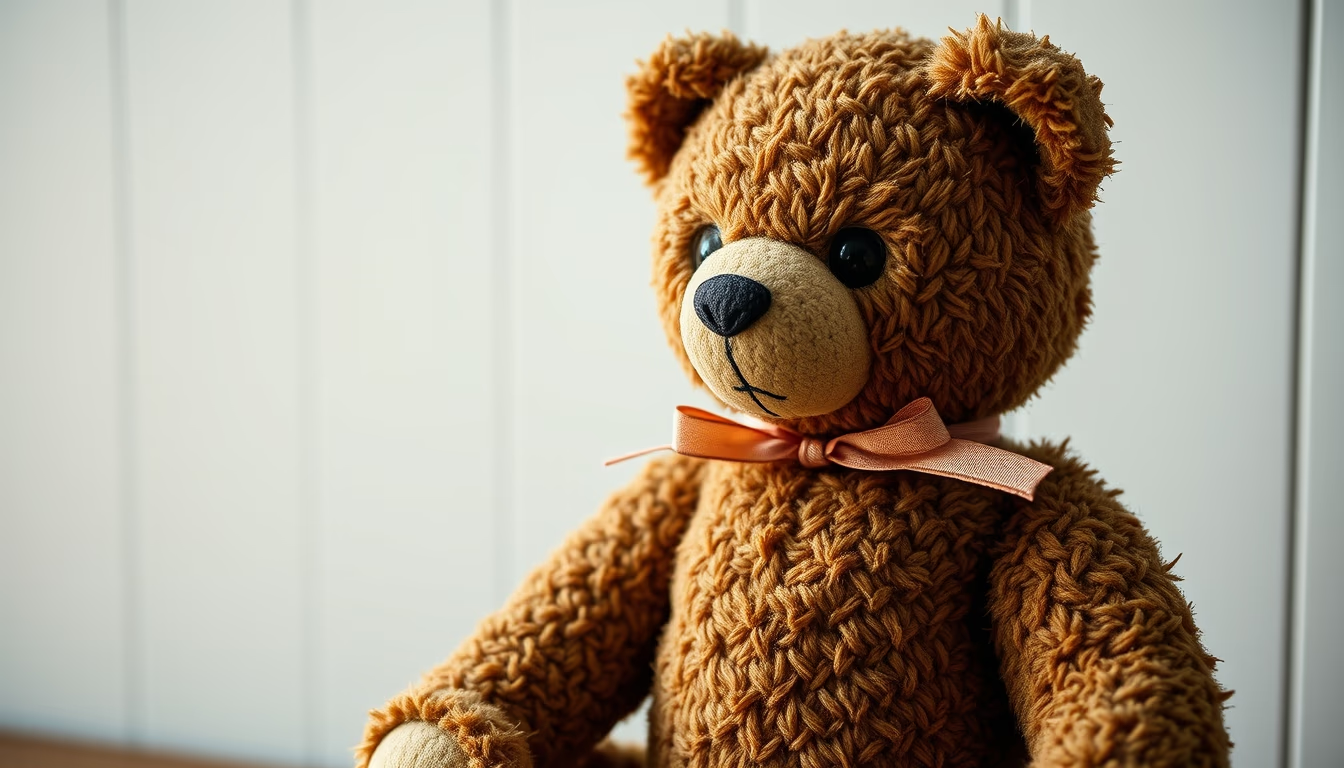
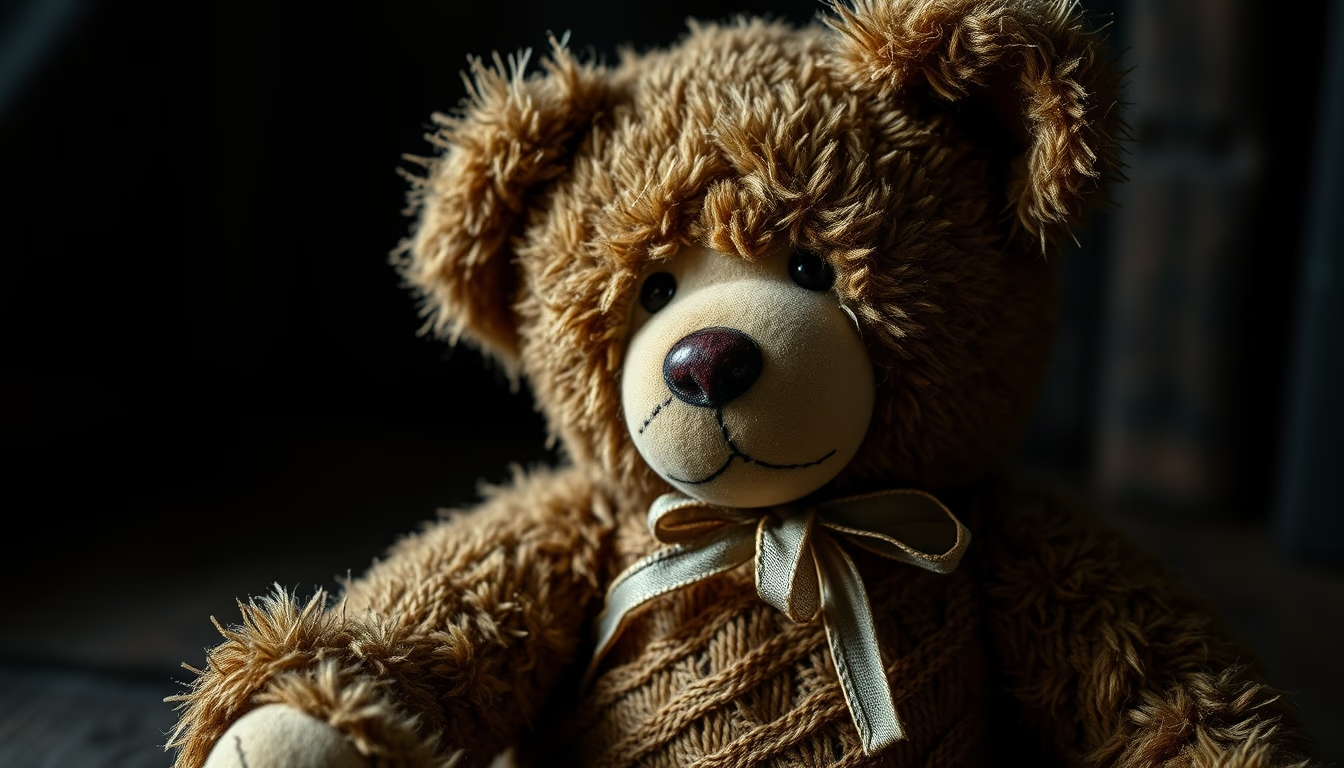
Vintage teddy bears show signs of wear that tell stories of generations of children and collectors.
About this subject
Teddy bears, first created in the early 20th century, quickly became icons of childhood comfort. The original teddy bear was produced in the United States in 1902, inspired by a political cartoon of President Theodore Roosevelt. Since then, these toys have evolved in design and materials, but vintage examples, especially from 1900 to 1950, are highly prized by collectors. The 'worn' condition is particularly valued because it indicates authenticity and a life filled with affection.
Worn vintage bears often show mohair balding, loose button eyes, and stitched repairs. These signs of wear do not diminish their value; instead, they enhance the historical narrative. A bear with a torn ear or missing fur might have belonged to a child who carried it everywhere during World War II, for instance. Collectors seek these pieces not just as objects but as testimonies of emotional memories.
In the antiques market, prices for vintage teddy bears vary by rarity, brand, and condition. Brands like Steiff, Gund, and Knickerbocker are especially sought after. An original Steiff bear from the 1920s can be worth thousands of dollars even with significant wear. The patina of the fabric and faded texture are desirable traits, as they attest to the passage of time.
Beyond financial value, these bears evoke nostalgia and a connection to the past. Museum exhibitions, such as the Teddy Bear Museum in Naples, Florida, celebrate these toys' history. Restoring a vintage bear is a craft niche where specialists use traditional techniques to preserve the original essence. Each worn bear is a fragment of personal and cultural history, resisting disposal and reminding us that beloved objects gain value through use.
Frequently Asked Questions
Why are worn vintage teddy bears valuable?
Wear indicates authenticity and real use over time, adding historical and emotional value. Collectors pay more for pieces that preserve marks of family history.
How to identify an original vintage Steiff teddy bear?
Original Steiff bears have a button in the ear, a tag, and specific features like embroidered nose and button eyes. The mohair material and handcrafted construction are also signs.
What is the best way to preserve a worn vintage teddy bear?
Avoid machine washing; use gentle dry cleaning. Keep in a dry place away from direct sunlight. For restoration, seek a professional specialized in antique toys.
Direct URL
https://pub-c7d6a6ea828543ac903a74a341ccb2e1.r2.dev/imagens/teddy-bear-vintage-worn-minimalist-composition-fresh16.avifHow to credit
Include a visible link back to UtilizAí. Copy one of the snippets below:
<a href="https://xn--utiliza-eza.com/en/midia/imagens/teddy-bear-vintage-worn-minimalist-composition-fresh16">Teddy bear vintage worn</a> by <a href="https://xn--utiliza-eza.com">UtilizAí</a>, licensed under <a href="https://creativecommons.org/licenses/by/4.0/">CC BY 4.0</a>.
[Teddy bear vintage worn](https://xn--utiliza-eza.com/en/midia/imagens/teddy-bear-vintage-worn-minimalist-composition-fresh16) by [UtilizAí](https://xn--utiliza-eza.com), CC BY 4.0
License: CC-BY-4.0