Teddy bear vintage worn
1344×768 · AVIF · CC BY 4.0
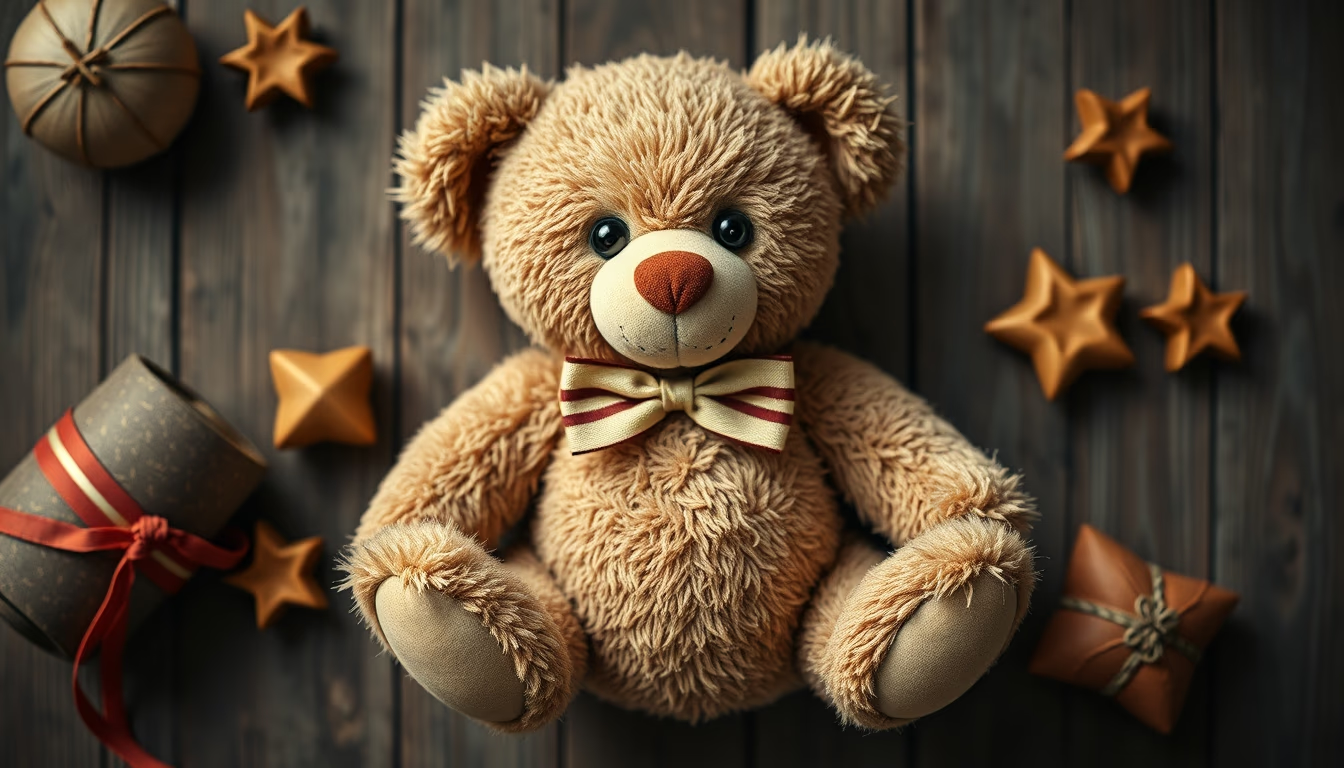
A vintage worn teddy bear reveals the history of handmade toys from the early 20th century.
About this subject
The vintage worn teddy bear is an icon of early 20th-century toys, when handcrafting was the norm. Originally created in Germany in 1902 by the Steiff company, the first teddy bear was made with mohair fur and stuffed with excelsior (wood wool) and sawdust, following the design of Margarete Steiff. These bears quickly became popular as comfort toys, and are also collected for their historical value.
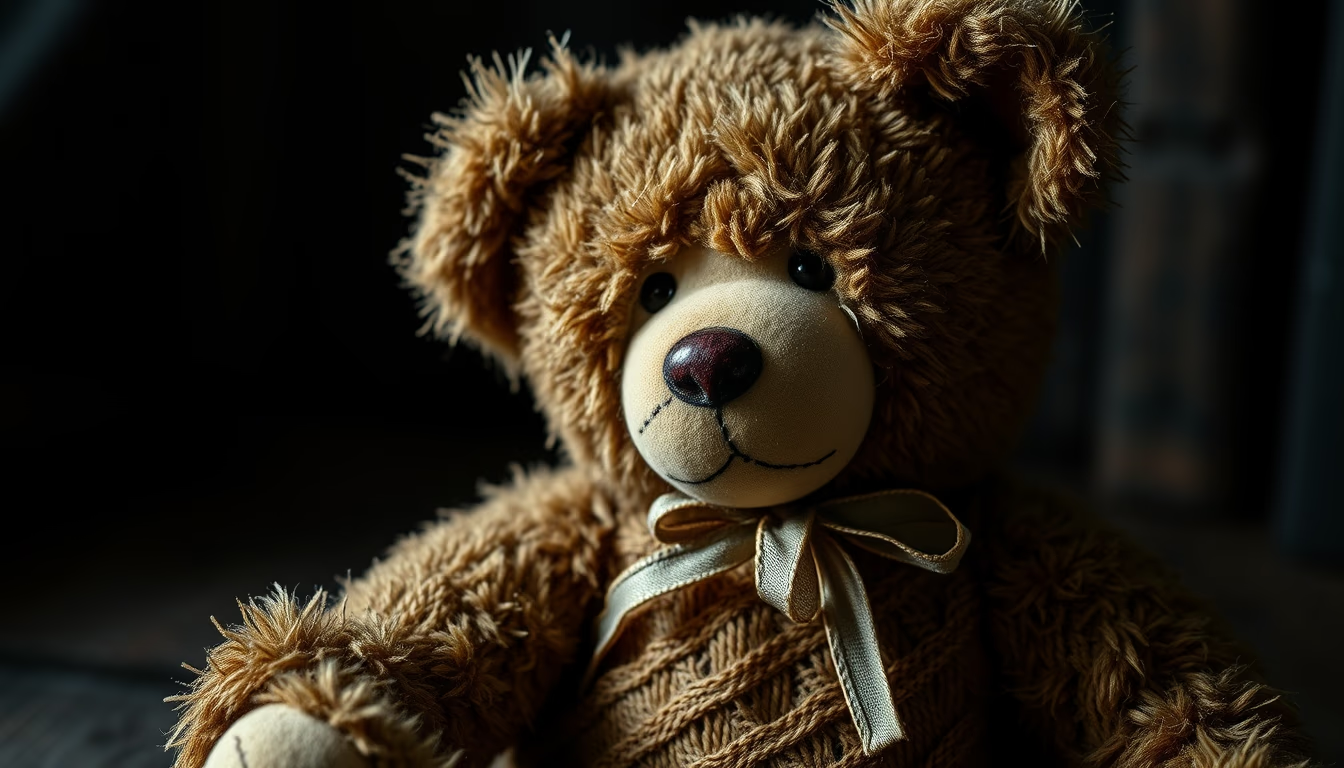
Over the decades, production evolved to include synthetic materials and industrial techniques. Mid-20th-century bears, such as those by Gund or Ideal Toy, used cotton or acrylic plush and polyester fiberfill. Natural wear and tear, like matted fur, loose eyes, or open seams, are signs of authenticity and prolonged use, features highly valued by collectors.
A curious fact: during World War II, teddy bear manufacturing was halted in many countries, making models from that era extremely rare. Today, the 'vintage teddy bear' category spans from early 1900s to the 1970s, with prices ranging from hundreds to thousands of dollars at auctions. Preservation of the patina and characteristic smell are details that increase an original bear's value.
Isometric flat lay representation, common in modern images, does not diminish the nostalgic appeal of the toy. On the contrary, it highlights the texture and three-dimensional shape of the object, allowing appreciation of every detail of natural aging.
Frequently Asked Questions
How to identify an authentic vintage teddy bear?
Check materials: mohair or alpaca fur, excelsior or sawdust stuffing, glass or button eyes. Look for labels or marks on seams. Natural wear and characteristic odor are also indicators.
What materials were used in early teddy bears?
The first Steiff bears used mohair (from Angora goats) for fur and excelsior or sawdust for stuffing. Eyes were black buttons and noses were hand-embroidered.
Why are some vintage teddy bears worth so much money?
Rarity, condition, brand (like Steiff), and historical provenance influence value. Bears from specific eras or with unique features can fetch high prices at auctions.
Direct URL
https://pub-c7d6a6ea828543ac903a74a341ccb2e1.r2.dev/imagens/teddy-bear-vintage-worn-isometric-flat-lay-fresh7.avifHow to credit
Include a visible link back to UtilizAí. Copy one of the snippets below:
<a href="https://xn--utiliza-eza.com/en/midia/imagens/teddy-bear-vintage-worn-isometric-flat-lay-fresh7">Teddy bear vintage worn</a> by <a href="https://xn--utiliza-eza.com">UtilizAí</a>, licensed under <a href="https://creativecommons.org/licenses/by/4.0/">CC BY 4.0</a>.
[Teddy bear vintage worn](https://xn--utiliza-eza.com/en/midia/imagens/teddy-bear-vintage-worn-isometric-flat-lay-fresh7) by [UtilizAí](https://xn--utiliza-eza.com), CC BY 4.0
License: CC-BY-4.0