Teddy bear vintage worn
1344×768 · AVIF · CC BY 4.0
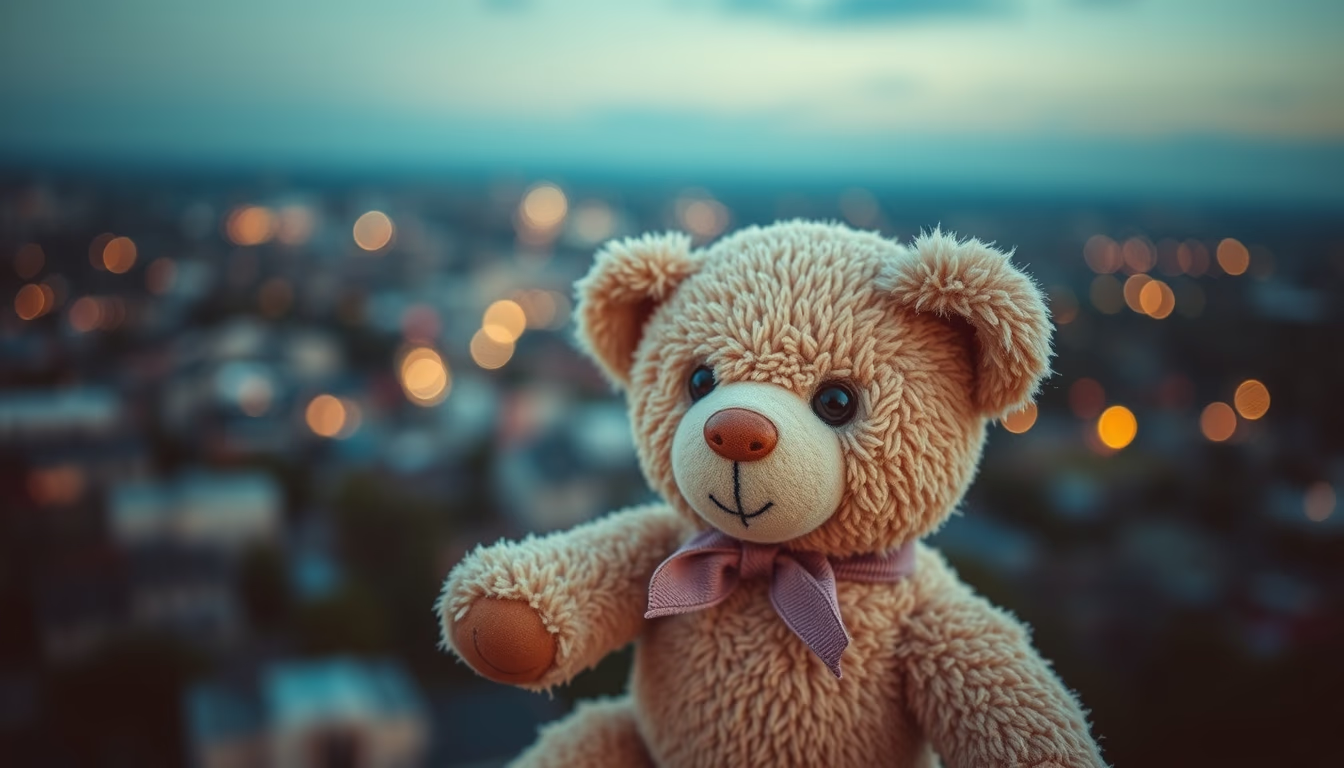
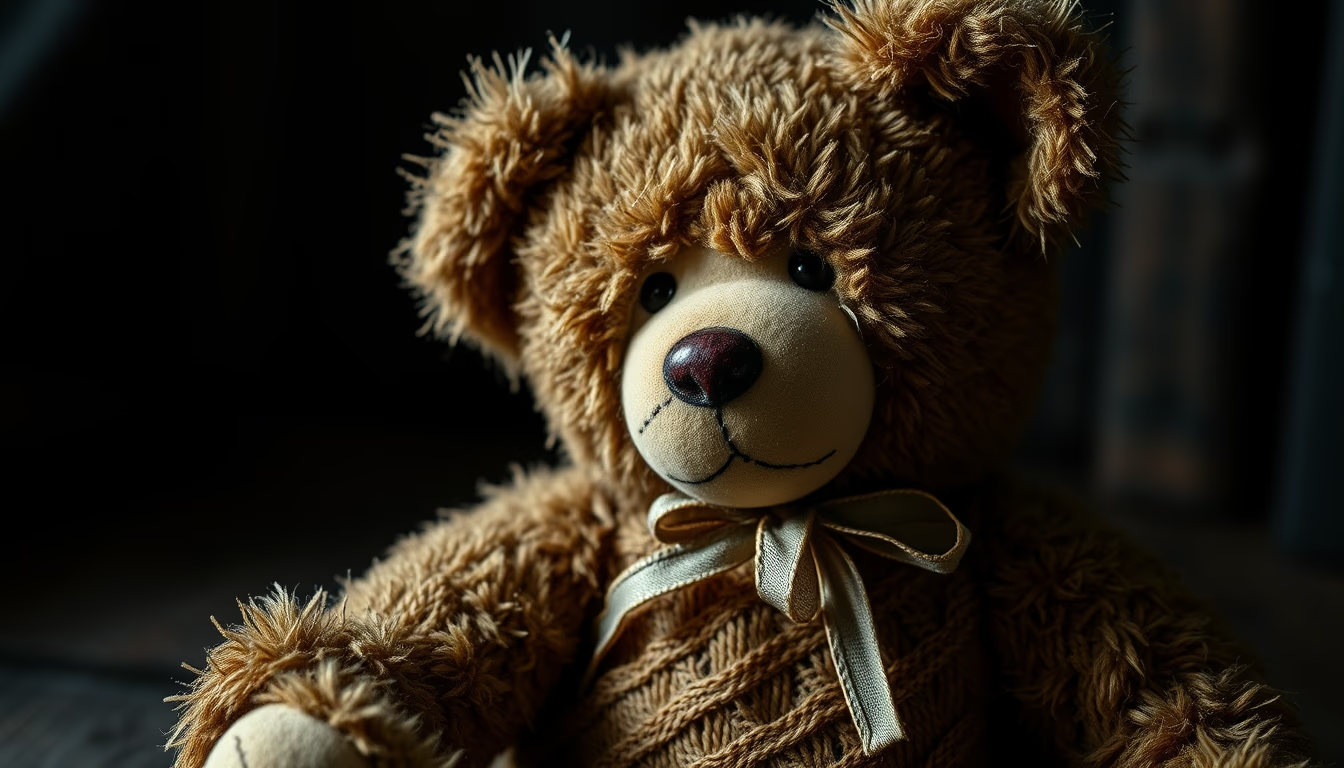
A vintage, worn teddy bear, bearing witness to decades of affection and play, carries stories few objects can hold.
About this subject
The vintage, worn teddy bear is not just an old toy but a cultural icon spanning generations. Originating in the early 20th century, the teddy bear was named after President Theodore Roosevelt following a hunting incident in 1902. Since then, it has become one of the most beloved toys worldwide, a symbol of comfort and childhood. Vintage specimens, especially from early decades, are now collectibles, with values sometimes exceeding thousands of dollars at specialized auctions.
The visible wear on such a bear, matted fur, loose eyes, frayed seams, is often regarded as aesthetic and historical quality. Each tear or stain tells part of the toy’s journey: a child who carried it everywhere, hugged it during stormy nights, or took it on picnics. This “affectionate wear” is tangible proof of the love the object received, a concept akin to the Japanese kintsugi of memories. Collectors value bears with “personality,” where time has left authentic marks.
Production of vintage teddy bears was artisanal or semi-industrial, using materials like mohair, wool, and felt. Early manufacturers such as the German company Steiff created designs that became classics: jointed arms and legs, elongated snouts, and large ears. Over the century, models varied, but the charm of old teddy bears lies precisely in imperfection: a slightly asymmetrical gaze, the rough texture of aged fabric. Restoring a teddy bear requires skill and sensitivity, as some prefer to preserve the marks of time.
Today, interest in vintage toys is fueled by nostalgia and the search for unique objects in a world of disposable plastic. Antique fairs and online platforms dedicated to retro items are the main channels to find these treasures. A worn teddy bear is not a broken toy; it is a relic carrying affection and history, an invitation to imagine the hands that held it and the secrets it heard over decades.
Frequently Asked Questions
How to identify a genuine vintage teddy bear?
Check labels, stitching, and materials. Vintage bears often have straw or horsehair stuffing, glass eyes, and mohair fabric. Brands like Steiff, Bing, and Hermann are benchmarks. Natural wear and absence of plastic are also clues.
Does wear decrease the value of an antique teddy bear?
Not necessarily. In many cases, authentic wear adds value as it proves the toy's age and history. Collectors prefer pieces with genuine signs of use, as long as there is no severe structural damage.
What is the historical significance of the teddy bear?
The teddy bear originated from a cartoon about Roosevelt in 1902. It quickly became a global phenomenon, representing comfort and innocence. It was one of the first licensed toys and influenced pop culture, appearing in films, literature, and even as a political symbol.
Direct URL
https://pub-c7d6a6ea828543ac903a74a341ccb2e1.r2.dev/imagens/teddy-bear-vintage-worn-aerial-drone-shot-fresh14.avifHow to credit
Include a visible link back to UtilizAí. Copy one of the snippets below:
<a href="https://xn--utiliza-eza.com/en/midia/imagens/teddy-bear-vintage-worn-aerial-drone-shot-fresh14">Teddy bear vintage worn</a> by <a href="https://xn--utiliza-eza.com">UtilizAí</a>, licensed under <a href="https://creativecommons.org/licenses/by/4.0/">CC BY 4.0</a>.
[Teddy bear vintage worn](https://xn--utiliza-eza.com/en/midia/imagens/teddy-bear-vintage-worn-aerial-drone-shot-fresh14) by [UtilizAí](https://xn--utiliza-eza.com), CC BY 4.0
License: CC-BY-4.0