Tea ritual ceremony
1344×768 · AVIF · CC BY 4.0
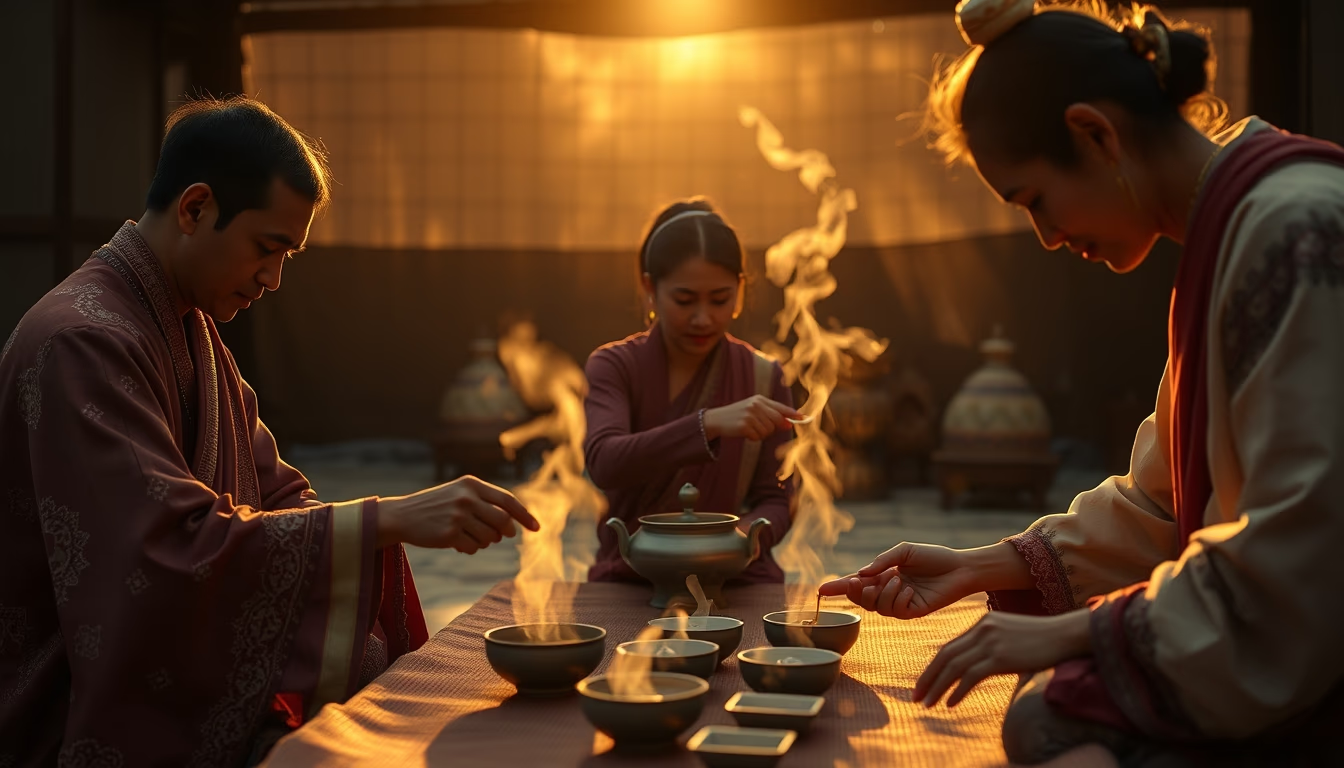
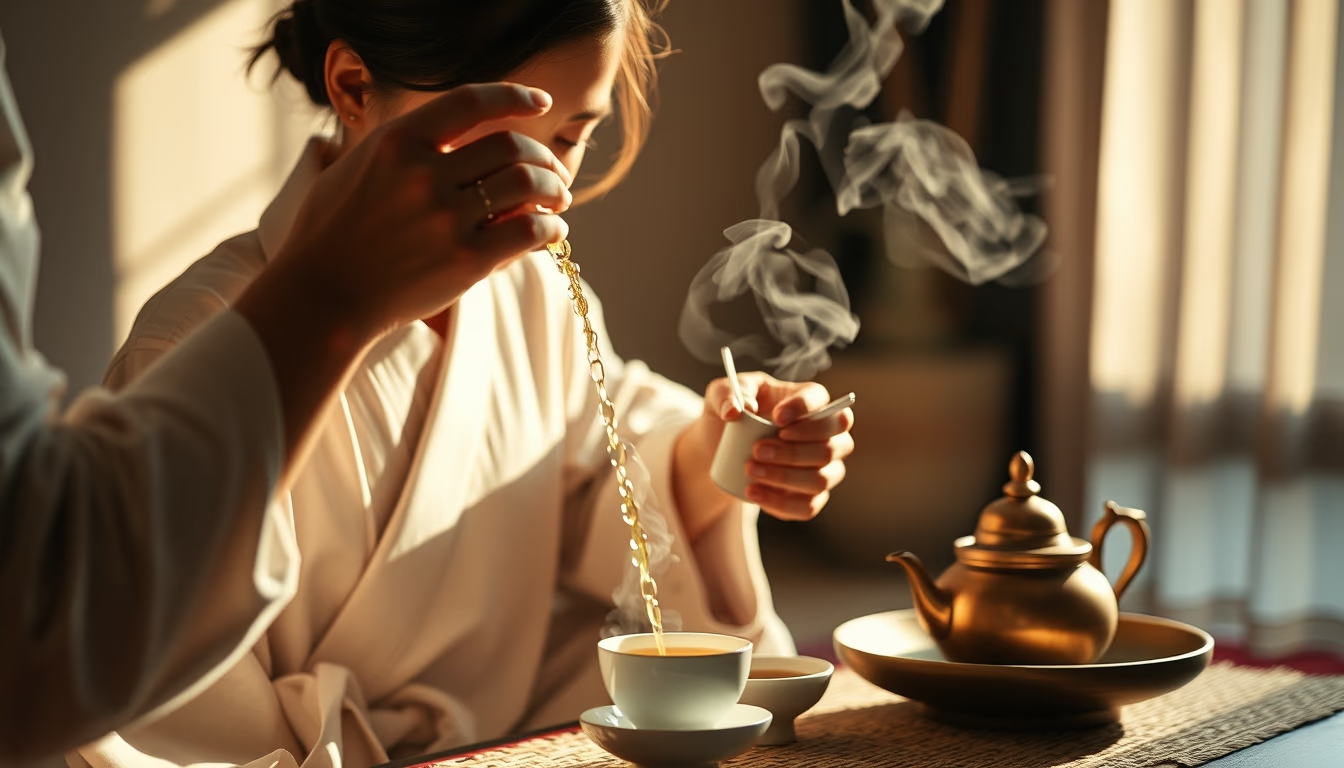
Tea ceremonies are ancient practices blending mindfulness, culture, and health, gaining momentum as a 2026 wellness trend.
About this subject
Tea ceremonies have deep roots in Asian history, originating in 8th-century China during the Tang dynasty. Lu Yu's "The Classic of Tea" standardized preparation and consumption, elevating the beverage to an art. In Japan, the tea ceremony (chanoyu) was refined by Sen no Rikyū in the 16th century, incorporating Zen Buddhist principles of harmony, respect, purity, and tranquility. Every gesture, from choosing utensils to serving, carries centuries of symbolism.
Modern scientific studies confirm that green tea, rich in catechins and L-theanine, reduces stress, improves cognition, and strengthens the immune system. The ritualized practice amplifies these effects by inducing a meditative state. In 2026, a global trend points to integrating mindful rituals into urban life, with short matcha or oolong sessions in minimalist settings.
Different cultures have adapted the ceremony: in Morocco, mint tea is served in hospitality rituals; in India, chai became a national treasure; in England, afternoon tea is a social event. Each variation reflects local values but all converge on the idea of pause and connection. The tea ceremony transcends the drink, becoming a tool for holistic wellness.
Frequently Asked Questions
What are the proven mental health benefits of a tea ceremony?
Regular practice reduces cortisol (stress hormone) and increases alpha brain waves, promoting relaxation. L-theanine in green tea works synergistically with caffeine to improve focus without agitation.
What is the difference between Chinese and Japanese tea ceremonies?
The Chinese (gongfu cha) focuses on perfect flavor extraction through multiple short infusions, while the Japanese (chanoyu) emphasizes minimalist aesthetics and meditation in every movement, primarily using powdered matcha.
How can I start a home tea ritual following 2026 trends?
Choose quality tea (matcha, oolong, or white), use a simple set (cup, kettle, bamboo spoon), and dedicate 5, 10 minutes without distractions. The trend is to adapt the ceremony to your routine, not the other way around.
Direct URL
https://pub-c7d6a6ea828543ac903a74a341ccb2e1.r2.dev/imagens/tea-ritual-ceremony-cinematic-wide-shot-p0.avifHow to credit
Include a visible link back to UtilizAí. Copy one of the snippets below:
<a href="https://xn--utiliza-eza.com/en/midia/imagens/tea-ritual-ceremony-cinematic-wide-shot-p0">Tea ritual ceremony</a> by <a href="https://xn--utiliza-eza.com">UtilizAí</a>, licensed under <a href="https://creativecommons.org/licenses/by/4.0/">CC BY 4.0</a>.
[Tea ritual ceremony](https://xn--utiliza-eza.com/en/midia/imagens/tea-ritual-ceremony-cinematic-wide-shot-p0) by [UtilizAí](https://xn--utiliza-eza.com), CC BY 4.0
License: CC-BY-4.0