Tea ritual ceremony
1344×768 · AVIF · CC BY 4.0
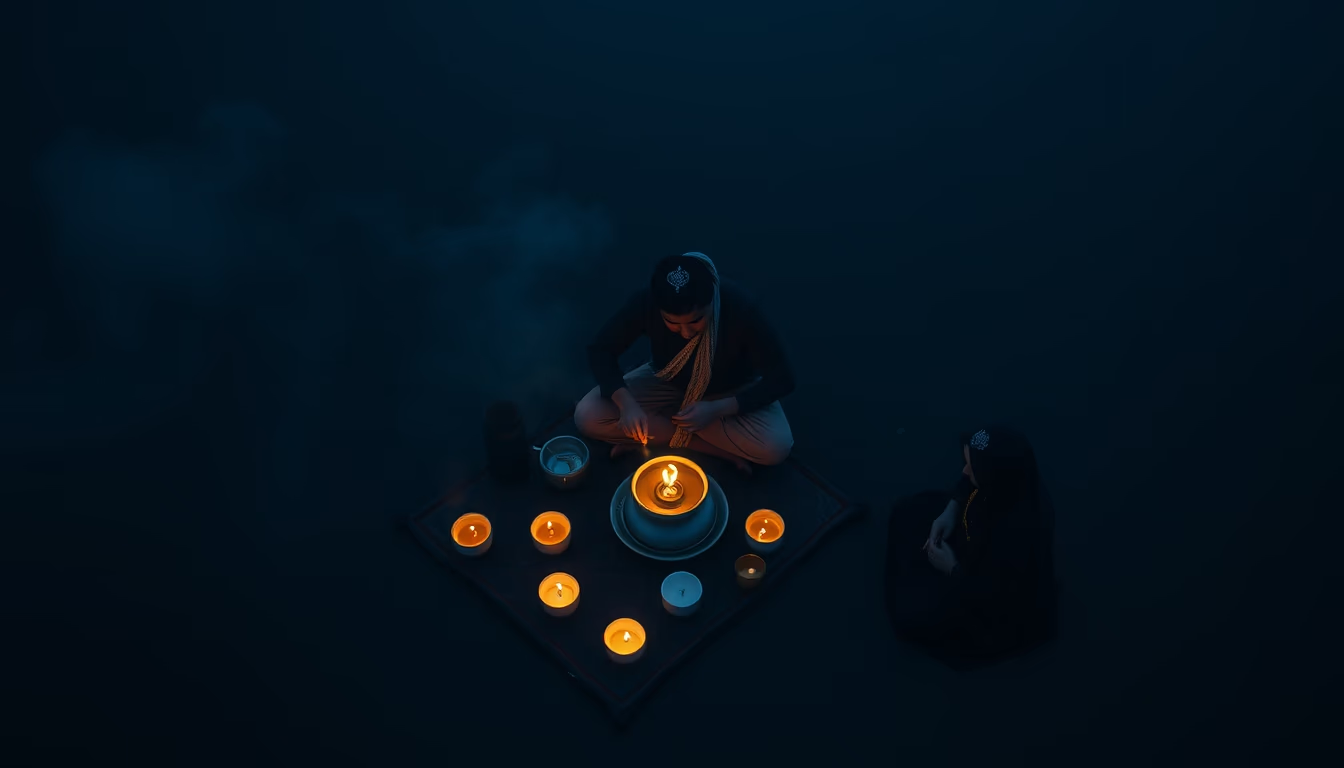
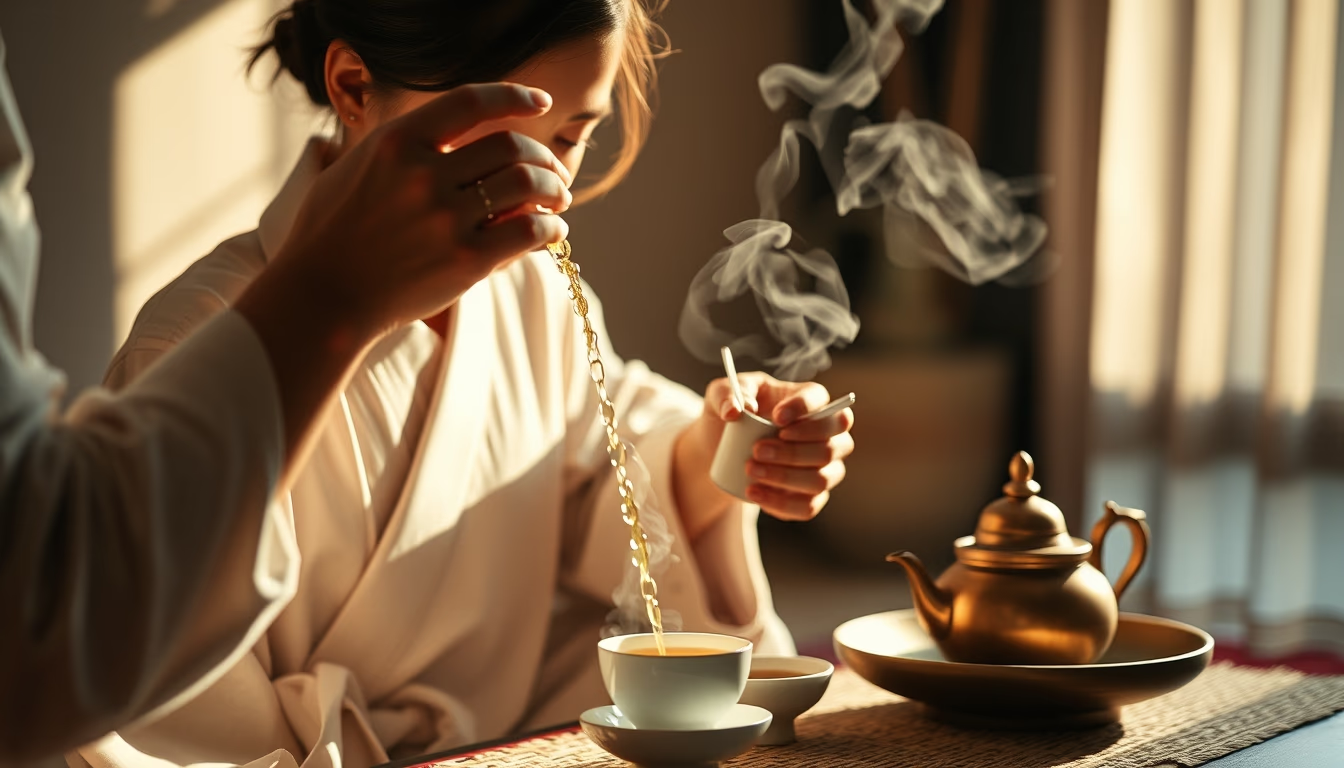
Tea ceremonies are ancient rituals combining meditation, aesthetics, and hospitality, present in cultures such as Japanese and Chinese.
About this subject
Tea ceremonies are cultural practices that transcend the simple act of drinking the beverage. In Japan, chanoyu (the way of tea) is an art influenced by Zen Buddhism, emphasizing harmony, respect, purity, and tranquility. Every gesture, from preparing matcha to holding the bowl, follows a precise choreography, often performed in a traditional tea house (chashitsu) with tatami mats and a carefully tended garden. This tradition was codified by Sen no Rikyū in the 16th century and is still practiced today as a form of meditation and aesthetic appreciation.
In China, gongfu cha (tea with skill) is a ceremony focused on extracting flavors from loose leaves, usually oolong or pu'er. Small Yixing clay teapots and cups are used in multiple infusions, where each step demonstrates technique and respect for the tea. Originating in Fujian province and the Chaoshan tea culture, gongfu cha has gained global popularity as a sensory experience involving sight, smell, and taste. The ritual also includes observing the leaves unfurl and appreciating the liquor's color.
Beyond East Asia, tea ceremonies exist in other cultures. In Morocco, mint tea is prepared with great pomp, poured from a height to create foam. In India, masala chai is served with spices, and the ritual of sharing it is a sign of welcome. The English afternoon tea ceremony, with sandwiches and scones, also has its own social protocol. What all these practices share is the creation of a moment of pause, connection, and appreciation, whether alone or in a group.
The global popularity of tea rituals is growing, driven by the search for wellness, mindfulness, and authentic experiences. Many wellness spaces and retreats offer tea ceremony workshops as a way to reduce stress and promote mindfulness. The visual aesthetics of these rituals, with elegant utensils and fluid movements, also attract attention on platforms like Instagram and Pinterest, making tea ceremonies a recurring theme in lifestyle trends.
Frequently Asked Questions
What is the difference between Japanese and Chinese tea ceremonies?
The Japanese ceremony (chanoyu) is more ritualistic and meditative, focusing on preparing matcha (powdered green tea). The Chinese one (gongfu cha) emphasizes extracting flavors from whole leaves using multiple infusions in small pots.
What does the term 'chanoyu' mean?
Chanoyu literally means 'hot water for tea' in Japanese. It refers to the tea ceremony, an aesthetic and spiritual practice rooted in Zen Buddhism.
Why are tea ceremonies considered beneficial for wellness?
They encourage mindfulness, a break from routine, and connection to the present moment. The repetition of calm gestures and sensory appreciation reduces stress and promotes relaxation.
Direct URL
https://pub-c7d6a6ea828543ac903a74a341ccb2e1.r2.dev/imagens/tea-ritual-ceremony-aerial-drone-shot-p2.avifHow to credit
Include a visible link back to UtilizAí. Copy one of the snippets below:
<a href="https://xn--utiliza-eza.com/en/midia/imagens/tea-ritual-ceremony-aerial-drone-shot-p2">Tea ritual ceremony</a> by <a href="https://xn--utiliza-eza.com">UtilizAí</a>, licensed under <a href="https://creativecommons.org/licenses/by/4.0/">CC BY 4.0</a>.
[Tea ritual ceremony](https://xn--utiliza-eza.com/en/midia/imagens/tea-ritual-ceremony-aerial-drone-shot-p2) by [UtilizAí](https://xn--utiliza-eza.com), CC BY 4.0
License: CC-BY-4.0