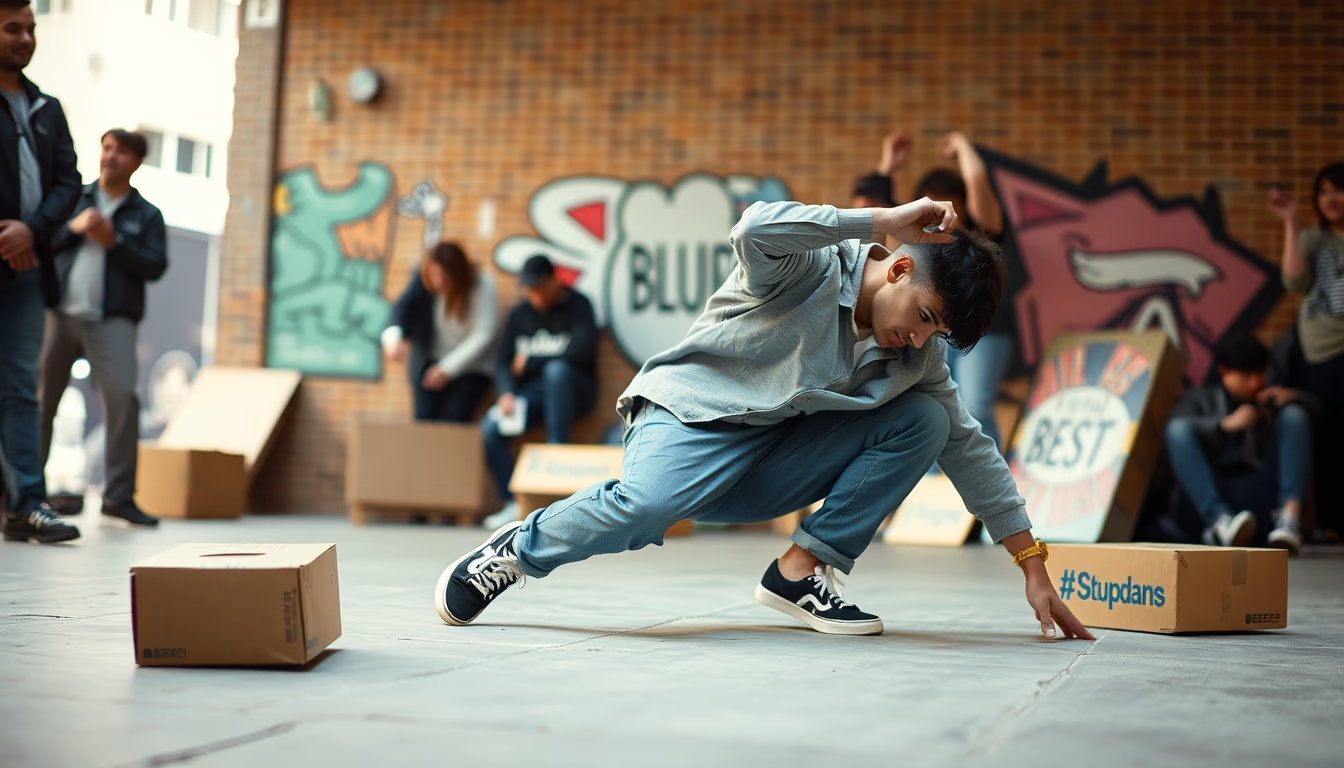
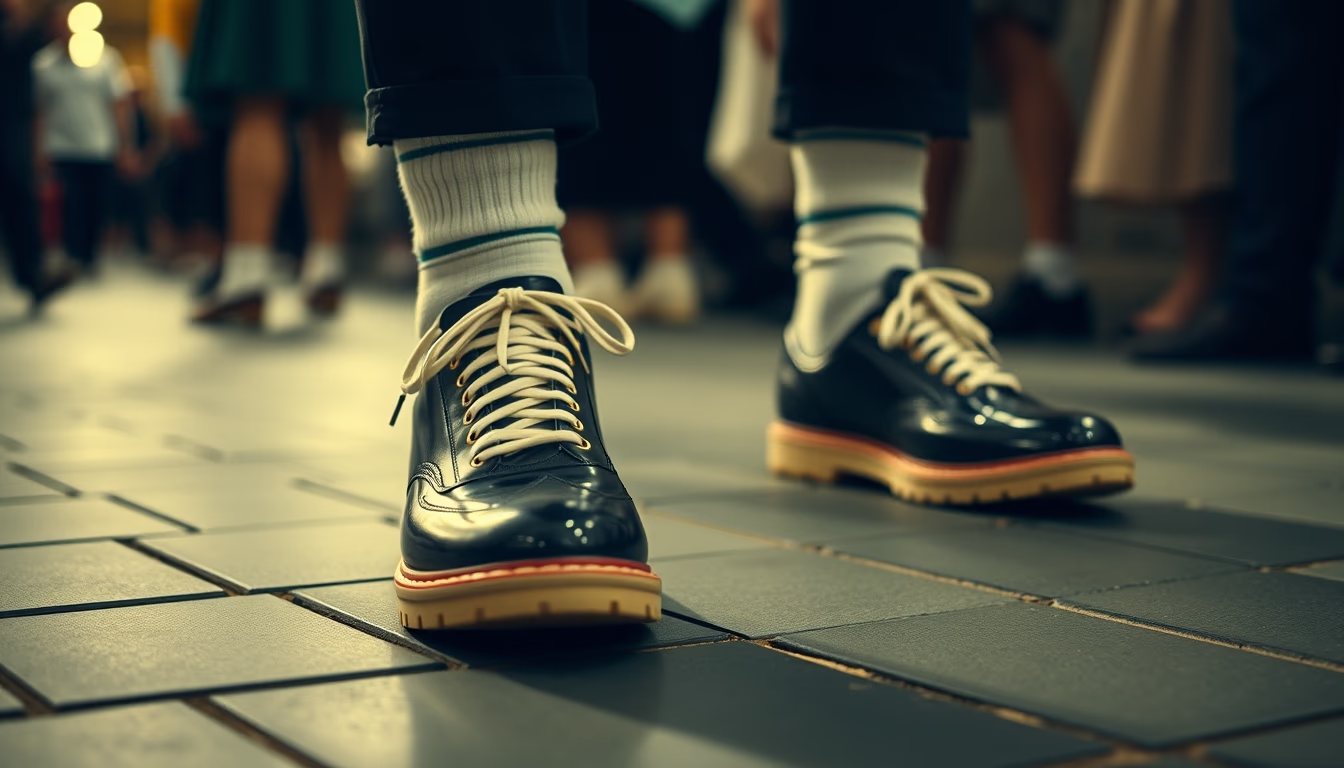
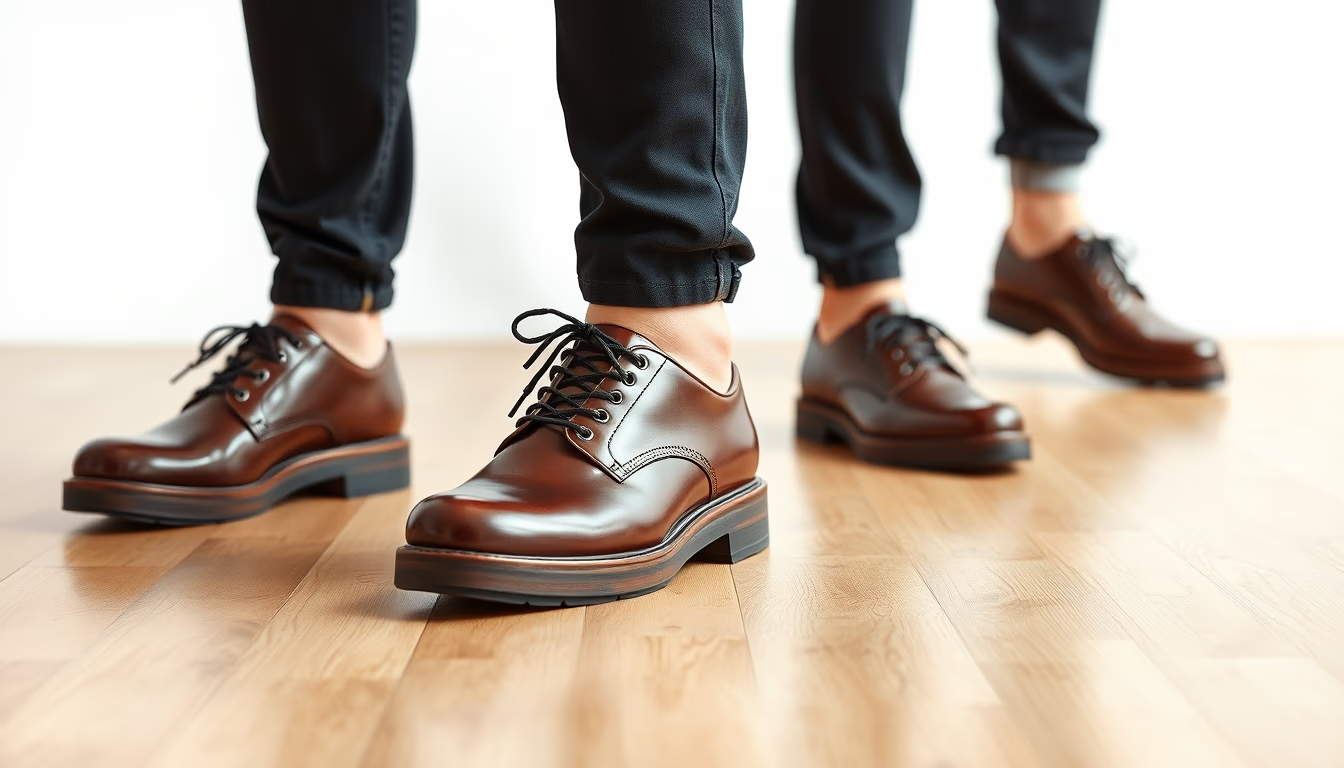
Tap shoes wooden floor
1344×768 · AVIF · CC BY 4.0
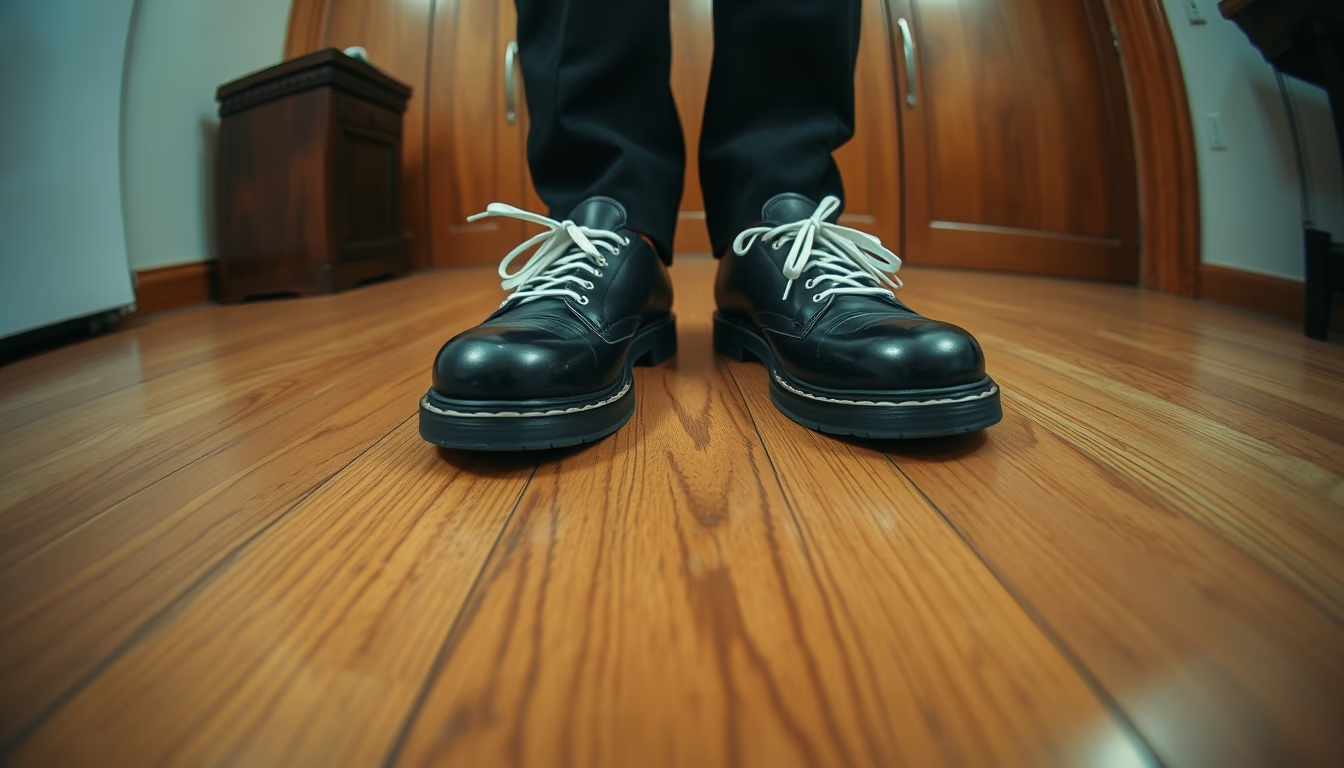
Tap shoes on a wooden floor: history, technique and cultural significance of tap dance, a dance that combines rhythm and percussion.
About this subject
Tap dance is a form of dance that uses the feet as percussive instruments, creating rhythms and sounds from the contact of the shoes with the floor. Traditionally, wooden floors are preferred for practice, as they offer the ideal resonance for the beats to be heard clearly. The origin of tap dance dates back to the 19th century in the United States, where African and Irish dances merged, influenced by blackface and minstrel shows. Over time, it evolved into its own style, gaining prominence in vaudeville and later in film and television.
Tap shoes have metal or wooden soles attached to the toe and heel, allowing for a variety of sounds. Great names such as Fred Astaire, Ginger Rogers, Gregory Hines, and Savion Glover popularized the dance worldwide. In Brazil, tap dance has a strong presence, with schools and festivals in states like São Paulo and Rio de Janeiro. The technique requires precision, coordination, and a deep rhythmic sense, often associated with jazz and blues.
The wooden floor, besides its acoustic function, is an essential part of tap dance aesthetics. Professional studios often use hardwood like oak or maple, which provide a clear and uniform sound. Floor maintenance is crucial: it must be sanded and waxed regularly to avoid warping and ensure the best sound performance. In shows, the wooden stage is specially prepared, sometimes with contact microphones to amplify the sounds of the steps.
A curious fact is that tap dance was one of the first dances to be recorded in sound film, with the short film "The Jazz Singer" (1927) featuring tap numbers. Today, the dance is celebrated on International Tap Dance Day (May 25) and kept alive by communities of dancers who value tradition and innovation.
Frequently Asked Questions
What is the difference between tap dance and step aerobics?
Tap dance is a percussive dance form using special shoes to create rhythms, while step aerobics is an aerobic exercise using a raised platform for choreographed movements. Their origins and purposes differ: tap is artistic and rhythmic; step is focused on physical fitness.
Why is a wooden floor important for tap dance?
A wooden floor provides the ideal resonance and acoustics to project the sound of the beats clearly. It also absorbs impact to reduce injuries and allows dancers to slide and turn more easily.
What are the main styles of tap dance?
Main styles include classical tap (associated with Hollywood's Golden Age films), rhythm tap (focused on improvisation and rhythmic complexity), and Brazilian tap, which incorporates elements of samba and maracatu, often using wooden clogs.
Direct URL
https://pub-c7d6a6ea828543ac903a74a341ccb2e1.r2.dev/imagens/tap-shoes-wooden-floor-fish-eye-wide-angle-fresh7.avifHow to credit
Include a visible link back to UtilizAí. Copy one of the snippets below:
<a href="https://xn--utiliza-eza.com/en/midia/imagens/tap-shoes-wooden-floor-fish-eye-wide-angle-fresh7">Tap shoes wooden floor</a> by <a href="https://xn--utiliza-eza.com">UtilizAí</a>, licensed under <a href="https://creativecommons.org/licenses/by/4.0/">CC BY 4.0</a>.
[Tap shoes wooden floor](https://xn--utiliza-eza.com/en/midia/imagens/tap-shoes-wooden-floor-fish-eye-wide-angle-fresh7) by [UtilizAí](https://xn--utiliza-eza.com), CC BY 4.0
License: CC-BY-4.0