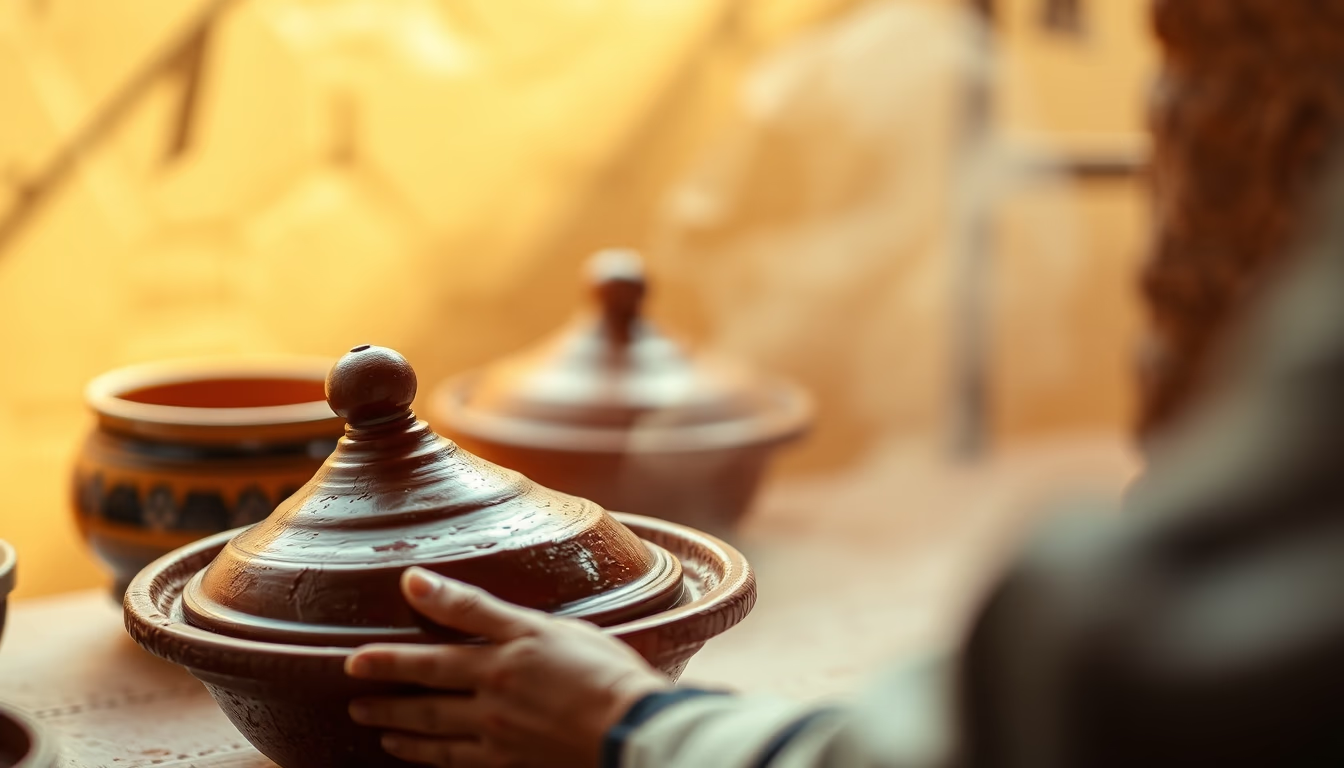
Tagine moroccan clay
1344×768 · AVIF · CC BY 4.0
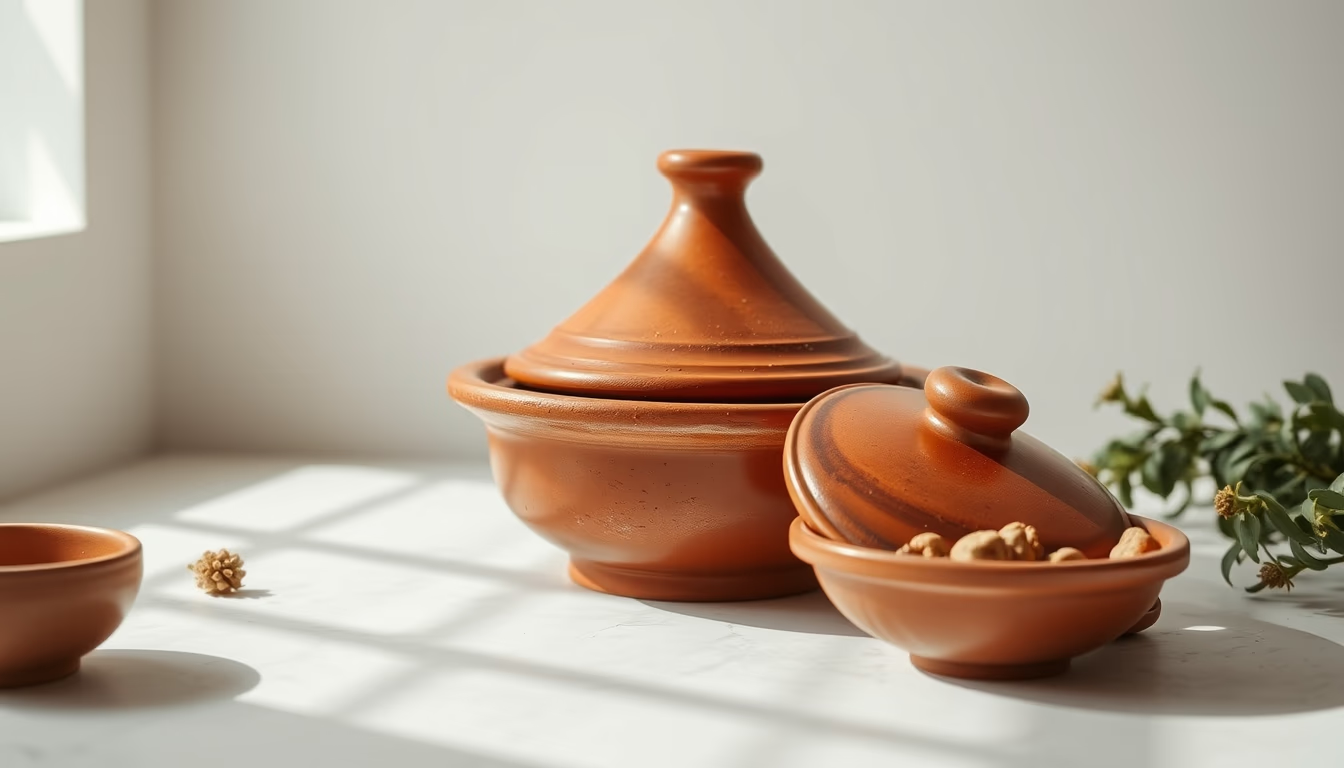
The Moroccan tagine is a traditional clay pot used for slow-cooking stews, preserving the unique flavors and aromas of Maghreb cuisine.
About this subject
A tagine is both the name of the clay vessel and the slow-cooked stew prepared in it, an ancient Berber tradition that spread across North Africa and beyond. Its conical lid is designed to condense steam and return it to the base, allowing even, gentle cooking with minimal water, which intensifies the flavors of the ingredients. Classic dishes include chicken with preserved lemon and olives, lamb with prunes and almonds, or vegetables with chickpeas, always seasoned with spices like saffron, ginger, cinnamon, and cumin.
Crafting a tagine is a skill passed down through generations. Moroccan artisans, especially in Fes and Safi, shape the clay by hand, leaving it unglazed or coating it with colorful glazes. Unglazed versions impart an earthy taste to food and require seasoning before first use, typically with oil and water. Glazed ones are easier to clean and do not absorb flavors from previous meals.
Culturally, the tagine is a symbol of hospitality and sharing. In Moroccan households, the stew is served directly from the pot on a low table, and everyone eats with concave bread, tearing pieces to scoop up meat and sauce. Although modern versions in cast iron or ceramic exist for stovetops, traditional clay tagines remain the purist's choice for retaining heat and moisture. UNESCO recognized Moroccan cuisine as Intangible Cultural Heritage, highlighting the tagine as one of its most emblematic elements.
Frequently Asked Questions
What is a tagine?
It is a clay pot typical of North Africa, consisting of a wide, shallow base and a conical lid, used for slow-cooking stews. The term also refers to the dish cooked in this vessel.
How do you prepare a dish in a tagine?
Ingredients are layered in the base, with tougher meats and vegetables at the bottom. Season with spices and a little liquid, cover, and cook over low heat for hours without stirring until tender.
What is the difference between glazed and unglazed clay tagines?
Unglazed tagines are porous and need to be seasoned before use; they impart an earthy flavor to food. Glazed ones are vitrified, easier to clean, and do not absorb flavors, but lack the natural breathability.
Direct URL
https://pub-c7d6a6ea828543ac903a74a341ccb2e1.r2.dev/imagens/tagine-moroccan-clay-minimalist-composition-fresh2.avifHow to credit
Include a visible link back to UtilizAí. Copy one of the snippets below:
<a href="https://xn--utiliza-eza.com/en/midia/imagens/tagine-moroccan-clay-minimalist-composition-fresh2">Tagine moroccan clay</a> by <a href="https://xn--utiliza-eza.com">UtilizAí</a>, licensed under <a href="https://creativecommons.org/licenses/by/4.0/">CC BY 4.0</a>.
[Tagine moroccan clay](https://xn--utiliza-eza.com/en/midia/imagens/tagine-moroccan-clay-minimalist-composition-fresh2) by [UtilizAí](https://xn--utiliza-eza.com), CC BY 4.0
License: CC-BY-4.0