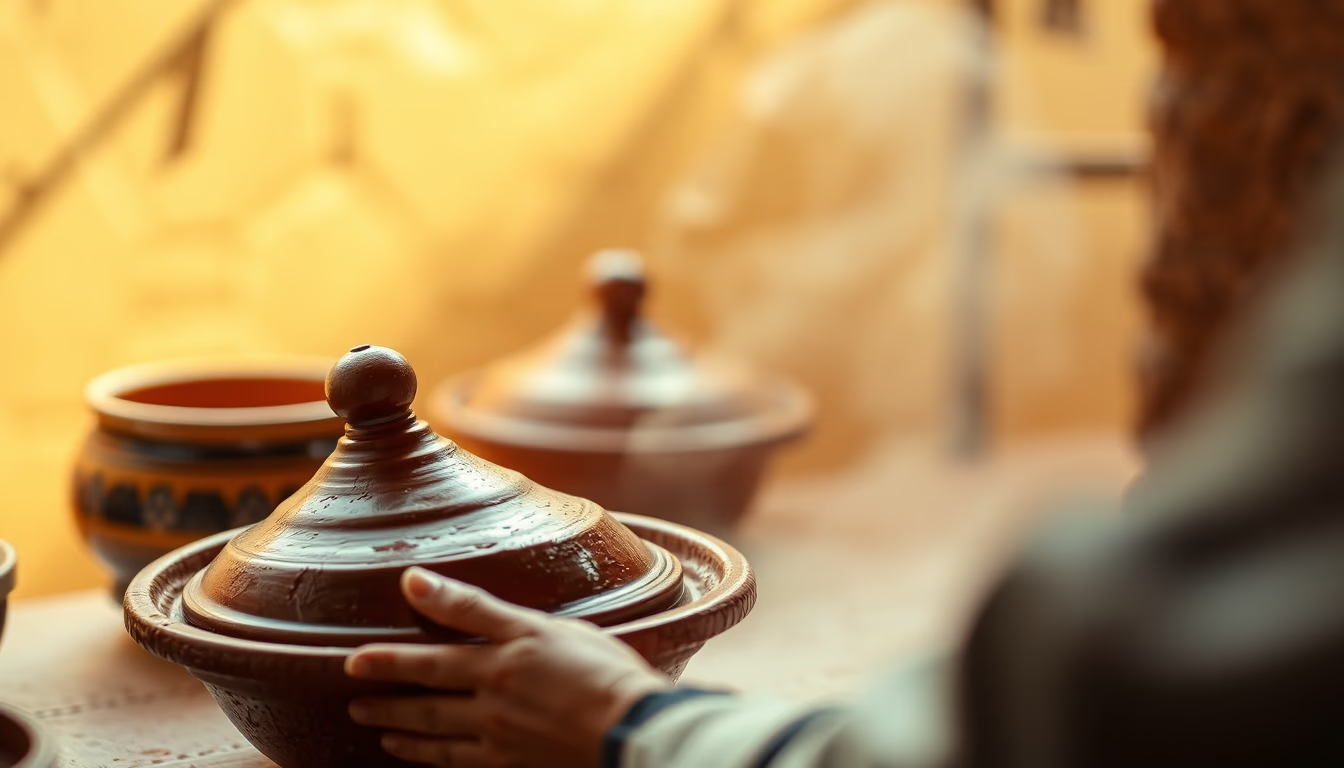
Tagine moroccan clay
1344×768 · AVIF · CC BY 4.0
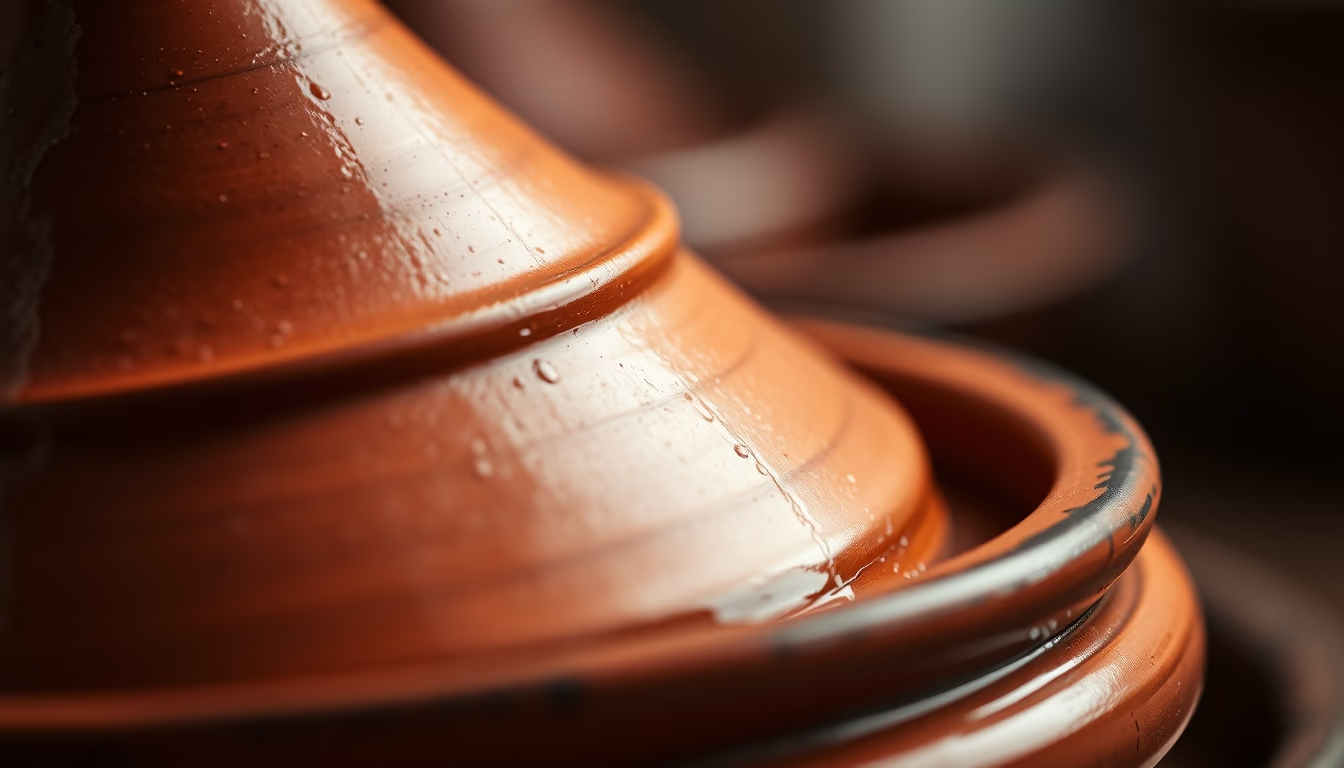
The tagine is a Moroccan clay cooking pot with a conical lid, used for slow-cooking aromatic stews.
About this subject
The tagine is a traditional clay pot from North Africa, closely linked to Moroccan cuisine and Berber heritage. Its distinctive design features a wide, shallow base and a conical lid that promotes steam circulation during cooking. The steam rises, condenses on the cooler lid, and drips back onto the food, ensuring moistness and intensifying flavors. This slow-cooking method is ideal for meats, poultry, fish, and vegetables, producing tender, aromatic dishes.
Tagine making is a handicraft in cities like Fez and Marrakech. They come glazed or unglazed; unglazed ones require seasoning before first use to prevent cracking. Seasoning involves soaking the tagine in water for hours, then slowly heating it with oil or broth. This care extends the pot's lifespan and enhances heat distribution.
In Moroccan cooking, the tagine gives its name to iconic dishes such as chicken with preserved lemon and olives, lamb with prunes and almonds, and vegetable tagine with chickpeas. These recipes combine spices like turmeric, cinnamon, ginger, and saffron, creating complex flavor profiles. The tagine is more than a cooking vessel; it is a symbol of hospitality and tradition, often served directly at the table during family gatherings and festivities.
While modern versions in cast iron or ceramic exist, the authentic clay tagine offers a unique sensory experience, with earthy notes and aromatic richness. For home cooks, using low heat or a heat diffuser is essential to avoid thermal shock. With proper care, a clay tagine can last for generations, carrying stories and flavors.
Frequently Asked Questions
What is the origin of the tagine?
The tagine originates from the Berber people of North Africa, particularly Morocco, where it has been used for centuries for slow-cooking stews.
How does the conical lid of a tagine work?
The conical lid allows steam to circulate, condense on the cooler top, and drip back onto the food, keeping it moist and concentrating flavors.
Do you need to season a clay tagine before using it?
Yes, unglazed clay tagines require seasoning: soak them in water for a few hours, then heat gradually with oil to prevent cracking.
Direct URL
https://pub-c7d6a6ea828543ac903a74a341ccb2e1.r2.dev/imagens/tagine-moroccan-clay-macro-closeup-fresh1.avifHow to credit
Include a visible link back to UtilizAí. Copy one of the snippets below:
<a href="https://xn--utiliza-eza.com/en/midia/imagens/tagine-moroccan-clay-macro-closeup-fresh1">Tagine moroccan clay</a> by <a href="https://xn--utiliza-eza.com">UtilizAí</a>, licensed under <a href="https://creativecommons.org/licenses/by/4.0/">CC BY 4.0</a>.
[Tagine moroccan clay](https://xn--utiliza-eza.com/en/midia/imagens/tagine-moroccan-clay-macro-closeup-fresh1) by [UtilizAí](https://xn--utiliza-eza.com), CC BY 4.0
License: CC-BY-4.0