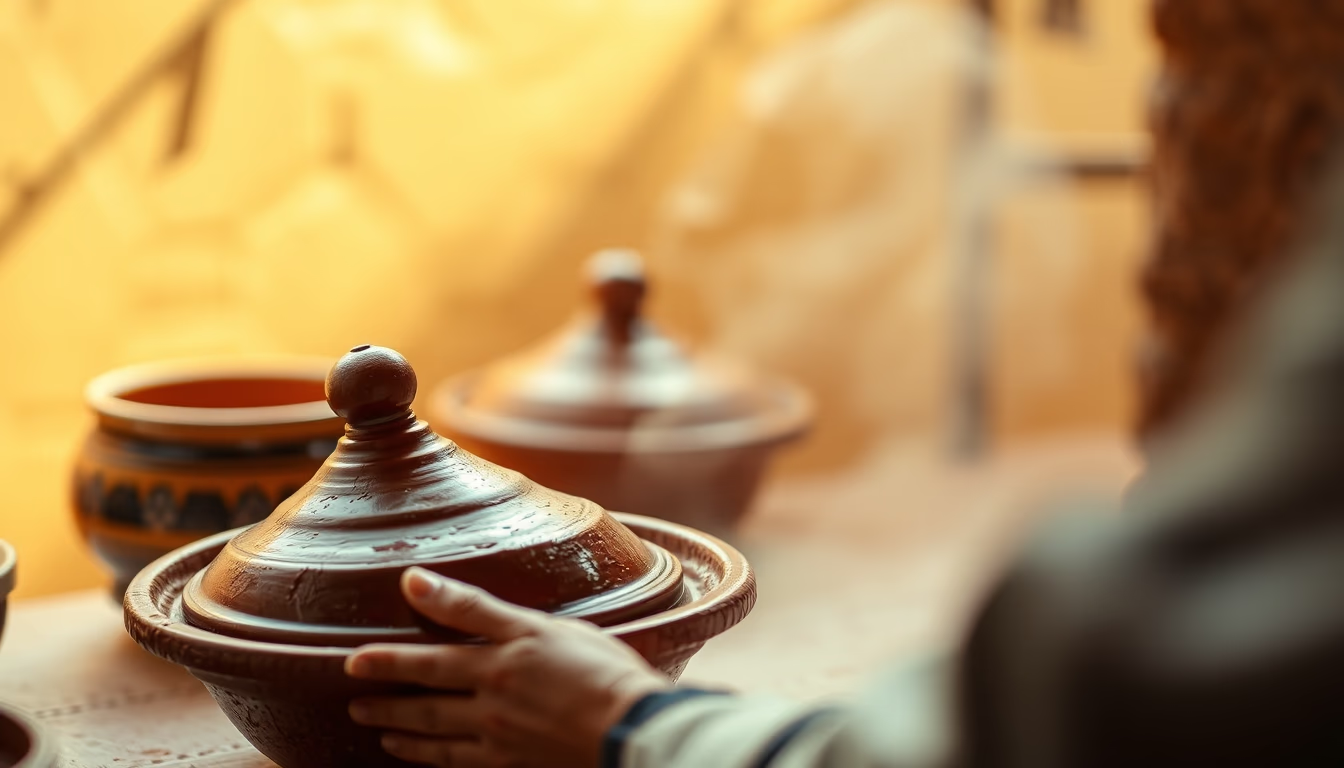
Tagine moroccan clay
1344×768 · AVIF · CC BY 4.0
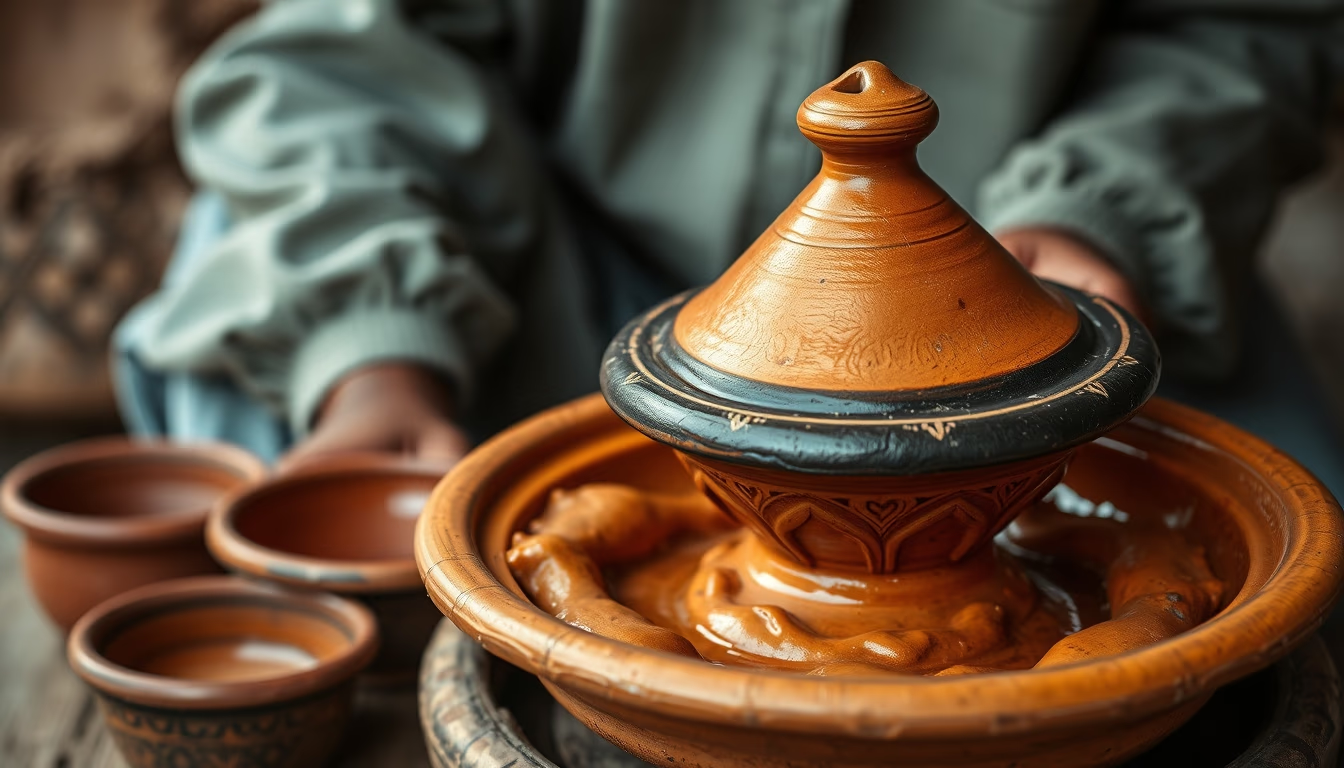
Moroccan clay tagine: a traditional North African cooking vessel used for slow-cooked, aromatic stews.
About this subject
The tagine is a cooking vessel originating from the Maghreb, particularly Morocco, made of clay or ceramic. Its conical shape allows steam to condense and drip back onto the food, keeping it moist and flavorful. This slow-cooking method is ideal for meats, vegetables, and spices like cumin, saffron, and cinnamon.
Historically, the tagine dates back to ancient times, possibly influenced by Persian and Ottoman cooking techniques. It is a symbol of Moroccan hospitality, often served at large family gatherings. The vessel is typically handcrafted by specialized artisans, with regional variations: the red clay from Fez is renowned for its quality.
Beyond cooking, the tagine holds cultural significance. It appears in wedding rituals and traditional festivals. The cooking technique is recognized by UNESCO as intangible cultural heritage? (not exactly, but Moroccan cuisine has recognition). In practice, the tagine is durable and can be used over open fires on the ground, like nomads, or on conventional stoves.
Interestingly, the tagine also gave its name to the dish cooked in it, such as 'chicken tagine with preserved lemon'. The clay must be seasoned before first use to prevent cracking. Today, modern versions include electric tagines, but traditional clay ones are still prized for enhancing flavor.
Frequently Asked Questions
What is the best way to season a clay tagine?
Before first use, soak the tagine in water for several hours, then let it dry. Coat with olive oil and place in a low oven for one hour, cooling slowly.
Can I use a clay tagine on a gas stove?
Yes, but you must use a heat diffuser to prevent thermal shock and cracking. Never place an empty tagine directly on the flame.
What is the difference between a clay and a ceramic tagine?
Clay is more porous and traditional, imparting an earthy flavor. Ceramic is more durable and easier to clean, but less authentic.
Direct URL
https://pub-c7d6a6ea828543ac903a74a341ccb2e1.r2.dev/imagens/tagine-moroccan-clay-documentary-nature-style-fresh6.avifHow to credit
Include a visible link back to UtilizAí. Copy one of the snippets below:
<a href="https://xn--utiliza-eza.com/en/midia/imagens/tagine-moroccan-clay-documentary-nature-style-fresh6">Tagine moroccan clay</a> by <a href="https://xn--utiliza-eza.com">UtilizAí</a>, licensed under <a href="https://creativecommons.org/licenses/by/4.0/">CC BY 4.0</a>.
[Tagine moroccan clay](https://xn--utiliza-eza.com/en/midia/imagens/tagine-moroccan-clay-documentary-nature-style-fresh6) by [UtilizAí](https://xn--utiliza-eza.com), CC BY 4.0
License: CC-BY-4.0