Tagine moroccan clay
1344×768 · AVIF · CC BY 4.0
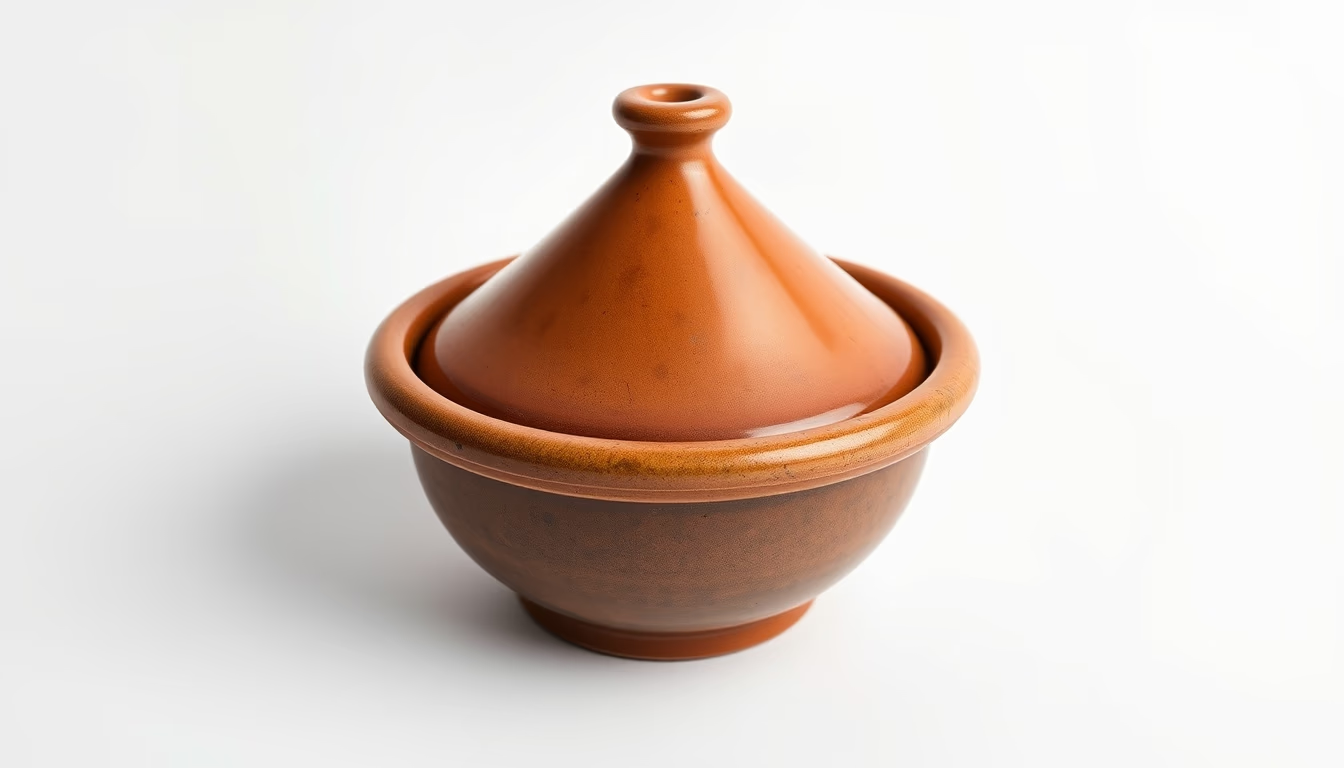
The Moroccan clay tagine is a traditional cooking vessel, known for its conical shape that allows slow, aromatic cooking.
About this subject
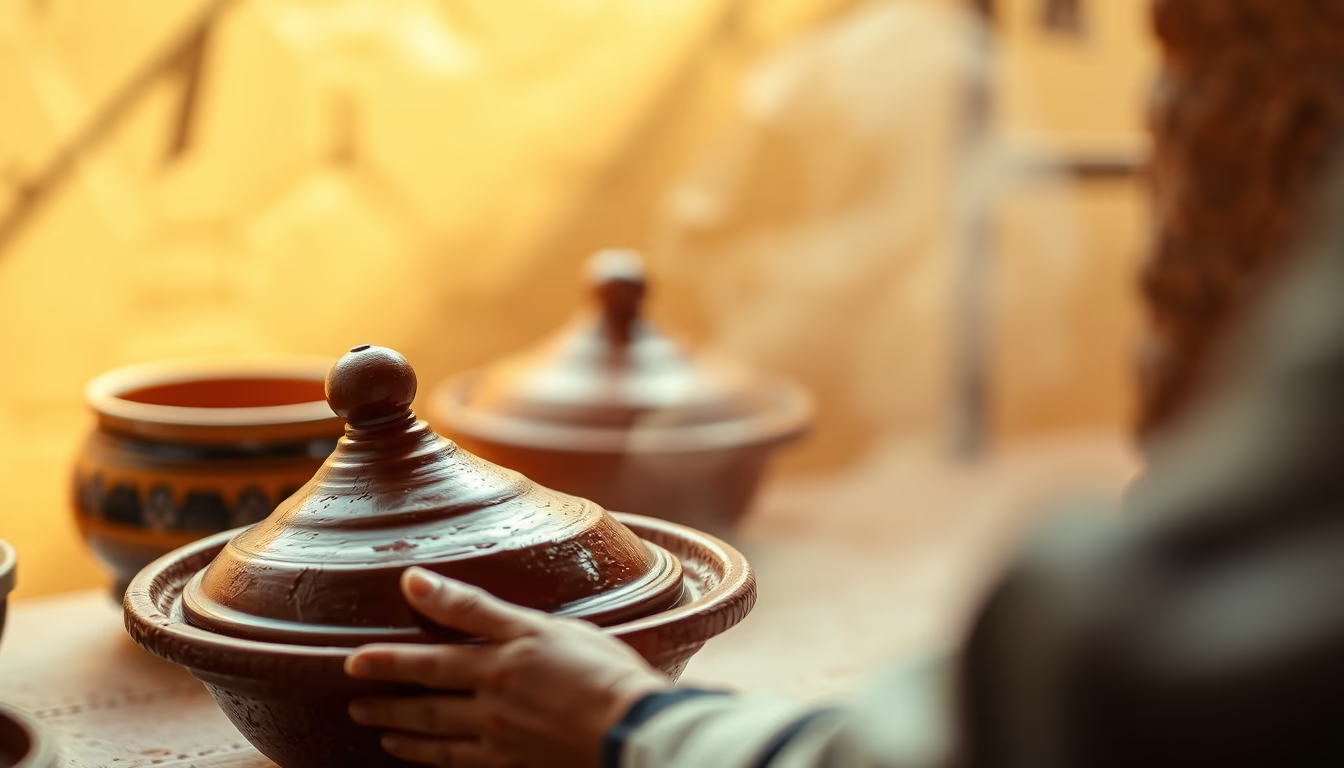
The Moroccan tagine, both the earthenware vessel and the dish cooked inside it, is an icon of North African cuisine. Its unique conical shape, with a pointed lid, is not merely aesthetic: it promotes steam condensation, which drips back to the base, keeping ingredients moist and infusing flavours. Originally used by Berber peoples for centuries, the tagine spread across Morocco and beyond, becoming a symbol of hospitality and tradition.
Crafting a tagine is an art in itself. Traditional pieces are hand‑made in natural clay, often in cities like Fez and Safi, known for their pottery. Unglazed clay (raw tagine) absorbs flavours over time and needs to be seasoned before first use, similar to cast‑iron cookware. Glazed tagines, with a vitrified surface, are more convenient for cooking acidic or tomato‑based dishes, as they do not react with food. Both types can be used over charcoal braziers or on modern stoves with a heat diffuser to prevent cracking.
Slow cooking is the essence of tagine. Meats like lamb or chicken are simmered with dried fruits (apricots, prunes), olives, preserved lemon, and a complex spice blend: saffron, ginger, cinnamon, cumin, and paprika. Vegetarian versions with chickpeas, pumpkin, and artichokes are equally popular. The conical lid concentrates aromas, and when lifted at the table, releases a fragrant steam announcing the meal. Served straight from the pot with Moroccan bread to scoop up the sauce, tagine is more than food: it is a shared ritual.
Frequently Asked Questions
How to season a new raw clay tagine?
Wash the tagine with water and scrub with a brush. Soak for several hours. Dry thoroughly and brush the interior and lid with vegetable oil. Place in a cold oven, heat slowly to 150°C, and keep for 2 hours. Allow to cool naturally.
What is the difference between unglazed and glazed tagines?
Unglazed clay tagines are porous and absorb flavours, requiring seasoning. Glazed tagines have a vitrified surface, do not react with acidic foods, and are easier to clean, but they do not develop the same patina over time.
What typical dishes are prepared in a tagine?
The most famous include lamb tagine with apricots and almonds, chicken with olives and preserved lemon, and vegetarian tagine with chickpeas and pumpkin. Fish with chermoula and vegetables is also common.
Direct URL
https://pub-c7d6a6ea828543ac903a74a341ccb2e1.r2.dev/imagens/tagine-moroccan-clay-commercial-product-photography-fresh5.avifHow to credit
Include a visible link back to UtilizAí. Copy one of the snippets below:
<a href="https://xn--utiliza-eza.com/en/midia/imagens/tagine-moroccan-clay-commercial-product-photography-fresh5">Tagine moroccan clay</a> by <a href="https://xn--utiliza-eza.com">UtilizAí</a>, licensed under <a href="https://creativecommons.org/licenses/by/4.0/">CC BY 4.0</a>.
[Tagine moroccan clay](https://xn--utiliza-eza.com/en/midia/imagens/tagine-moroccan-clay-commercial-product-photography-fresh5) by [UtilizAí](https://xn--utiliza-eza.com), CC BY 4.0
License: CC-BY-4.0